


Matrimony Cities for Maratha Near Mumbai
Browse matrimony profiles by city for Maratha.
Find trusted Maratha matrimonial matches in Mumbai. Connect with genuine CKP and 96 Kuli profiles. Begin your search for lasting love today! Page 2 shows more profiles further down the list.
Of the 19 profiles listed for Maratha in Mumbai, the list holds 8 brides and 11 grooms. The average age is 29 years, with profiles ranging from 25–37 years old. Private Company is the profession that appears most often. The three largest sub-community groups are Maratha (11), Maratha 96 Kuli (7) and Kunbi Maratha (1).
Live insights derived from current profile data.
Browse matrimony profiles by city for Maratha.

The Maratha community plays a big role in Mumbai's culture. A lot aren’t just newcomers; some were here first or came from rural Maharashtra while the textiles changed. They’re proud of their contributions, especially in weddings.
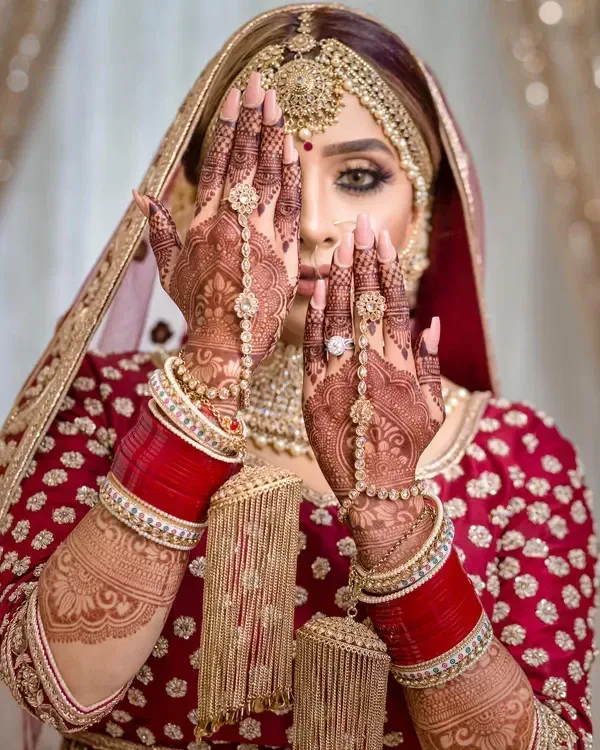
You’ve got a mix of backgrounds among Marathas. There’s the CKP crowd, the 96 Kuli families, and Kunbi-Marathas from Konkan and Vidarbha, plus local graduates. Each has its own way of doing weddings, so knowing family traditions helps when looking for matches.
Ties often happen through local Ganeshotsav groups in places like Dadar, Brahmin Kokanastha Matrimony in Parel, Worli, and Ghatkopar. These committees aren't just for festivals; they stay active all year. Informal matchmaking comes from groups like Shiv Sena and MNS too. When weddings roll around, people often favor mangal karyalay in Dadar over hotels in Bandra or Juhu.
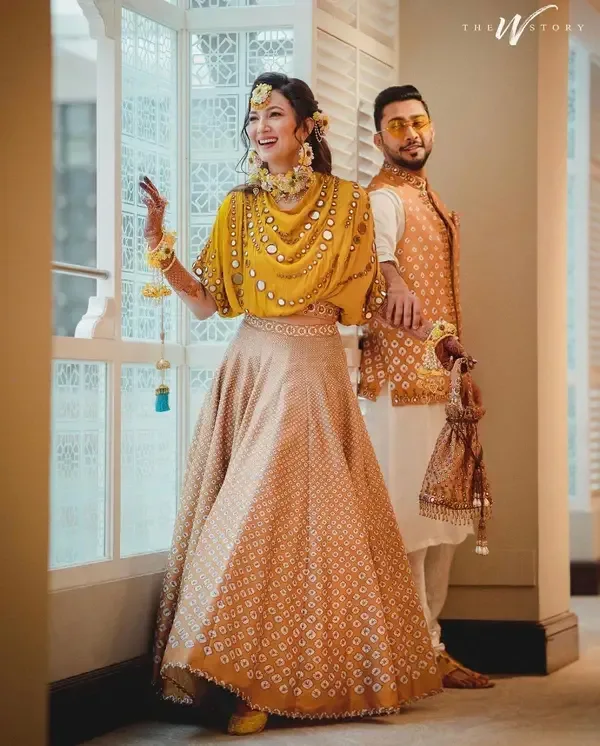
A usual Maratha wedding here is quick compared to places like <a href="https://corishta.com/matrimony/muslim/pune/"Pune or Nashik. Pre-wedding events can get bunched into a weekend: haldi Friday night, sangeet Saturday, and then vivah on Sunday at the mandap or hall. The antarpat ritual still gets a lot of respect—no skipping that.
Wedding food reflects Maharashtrian roots—check out dishes like <empuran poli, varan-bhaat, and lots of shrikhand puri. Many families go for non-veg menus too. Meat’s not a taboo—it adds to the celebration.
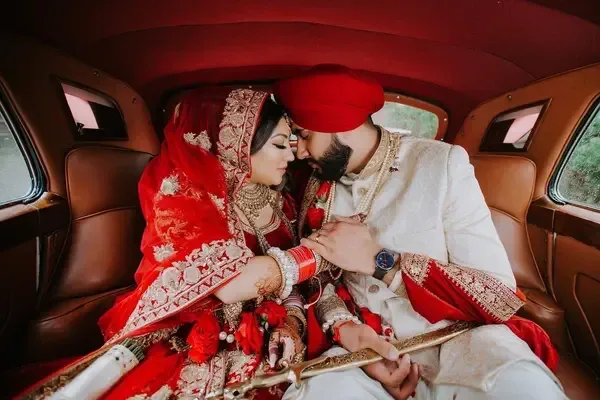
Maratha families look for partners with strong job prospects—it’s crucial with living costs rising. Government jobs (like MPSC or Railways) are seen as stable. If someone’s starting a small business? That can work too if it looks promising. Younger folks are leaning more toward corporate roles, especially in IT—and families accept that.</p
Brides these days are getting support for working after marriage. With expenses going up, two incomes? It’s essential now. Families seek educated daughters-in-law who kick in financially but keep close ties to their Marathi roots.

Weddings at Dadar's Maratha colony show everyone gets involved—you hear drums echo between buildings instead of fields; the mix of marigolds and other smells is unforgettable even if you move away.</p><p.Mumbai's Maratha weddings go quick and loud; everyone handles their feelings before diving back into regular life.</p
 <p.People in Mumbai use online options to find matches within their community. Profiles should show your sub-community (Maratha or CKP), where you live (Dadar or Ghatkopar), job skills, and your family's backyard (like Konkan or Pune). Specific details help avoid mismatches later on.
Explore communities with active matrimony profiles for Maratha.
The main ones you'll find are Maratha, CKP (Chandraseniya Kayastha Prabhu), 96 Kuli Maratha, and Kunbi-Maratha. Each has its own way of matching.
Mumbai Maratha weddings usually happen faster and are more packed because of the city's busy lifestyle. There's also more diversity within the community—like CKP and Konkan-origin families—plus it's more common for both partners to work in dual-income households.
Ganeshotsav committees work as community groups all year in Mumbai's Maratha neighborhoods. A family's status in these committees is a social signal for marriages in places like Dadar and Ghatkopar.
Yeah, mixing non-vegetarian food with vegetarian is pretty common at Mumbai Maratha weddings. It's just part of how they do things there.
People prefer MPSC, government jobs, and steady careers in Mumbai. IT sector and corporate jobs are getting more popular with younger folks. A stable income that can handle Mumbai's cost of living is the main thing.
 Support
 App Store
 Play Store