






Matrimony Cities for Maratha 96 Kuli Near Mumbai
Browse matrimony profiles by city for Maratha 96 Kuli.
Connect with authentic 96 Kuli Maratha matrimonial matches in Mumbai. Access verified kul and devak profiles to ensure your family's joyful future together.
The only sub-community group in this slice is Maratha 96 Kuli (7). In total, 7 profiles make up the Maratha 96 Kuli in Mumbai slice on this page. The list holds 1 bride and 6 grooms. The average age is 28 years, with profiles ranging from 25–30 years old. Work profiles are led by Private Company.
Live insights derived from current profile data.
Browse matrimony profiles by city for Maratha 96 Kuli.
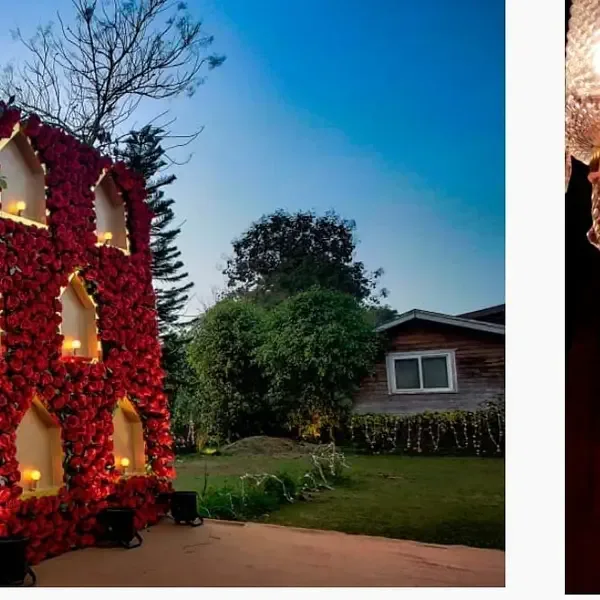
The 96 Kuli Maratha families in Mumbai stand out. They hold onto their clan identity and history, especially in Dadar, Brahmin Kokanastha Matrimony in Parel, Worli, and Matunga. Being part of the 96 Kuli group means keeping a tough heritage while facing city challenges.

This community has its own samaj groups aside from general Maratha ones. They've got halls for matrimonial events in Dadar, maintaining lineage records and verifying alliances. When someone needs devak approval, these groups take care of it formally.
In busy Mumbai, families stay connected. Even young pros at BKC or Andheri feel distanced from older families in Sunni Muslim Matrimony in Pune, but they want to marry within the community still. Parents watch kids mix cultures, valuing connections without pressure—it part of who they are.

A wedding among 96 Kuli Marathas respects tradition even with Mumbai's pace. The devakpuja takes place at home instead of a village courtyard but stays significant. They keep the antarpat ceremony; many visit ancestral villages or Pune to honor social customs. Getting married closer to roots is more important than any fancy venue.
If it's local, it’s usually at a Maratha hall—not a hotel. Expect dishes like puran poli, aamti, and traditional sweets carefully prepared according to rituals.

The families look for professional status alongside lineage checks without losing focus. A groom must be verified as 96 Kuli, have work experience like finance or IT, and stay culturally linked—that matters to them. Lineage is key; stability is crucial too.
For brides, things are evolving—they're often modern compared to those from smaller cities; jobs or degrees stick out. A bride balancing career with tradition finds respect—a quality many seek.

A 96 Kuli wedding fights for identity amidst blurred community lines. In busy Mumbai's culture, it’s easy to lose touch with language and traditions; fitting in seems necessary. But the 96 Kuli wedding stands firm—it shows our roots matter; we won’t fade into what we’re not.
This isn’t just nostalgia—families actively choose balance between global influences and their rich legacy—a mix that defines them. That blend shows as they come together during weddings.
Mumbaikars now rely on online platforms more when looking for partners. Profiles must state they're 96 Kulit—kul names and devak confirmation early on—as well as where they're from in Maharashtra. Missing this means less interest from others. Specialized platforms and samaj-run WhatsApp groups usually bring better success than general sites.
Mumbai's 96 Kuli samaj groups in places like Dadar and Maratha colonies handle genealogy records. They also offer official devak and kul verification for marriage stuff.
Lots of them do. The village setting gives the ceremony a special touch and is seen as more traditional than having it in Mumbai.
In the 96 Kuli matrimony of Mumbai, if two families share the same devak, they can't get married. It's a strict rule and community elders check it out before any wedding is set up.
Yeah, in Mumbai, 96 Kuli families definitely value brides with things like post-grad degrees, solid careers, and being financially independent, as long as they respect Maharashtra traditions too.
Nope. If the profile doesn’t clearly show 96 Kuli identity, kul name, and devak, 96 Kuli families in Mumbai probably won’t take it seriously. Community details are a must.
 Support
 App Store
 Play Store