Sunni Matrimony Profiles
Showing 165+ verified profiles · Sunni
Browse 165+ verified Sunni Matrimony Profiles on Corishta. Families exploring suitable matches can review active profiles, shortlist preferences, and connect with genuine members.



🔒 View More Profiles
Register free to see full profiles, contact details, and photos.
- or -

***** *****
26 yrs • South 24 Parganas district
Business / Self Employed
Never Married Login to View


Perfect Sunni Matches: Find Your Ideal Muslim Life Partner
The Sacredness of Nikah in Sunni Tradition

For Sunni families, announcing a marriage isn’t just a celebration; it's an act of worship. The Prophet Muhammad (PBUH) said that marriage completes half of one’s deen, shaping how they seek partners. Families sit together with tea and Quran verses, looking for matches to strengthen their bond with Allah through good deeds.
What Sunni Marriage Traditions Look Like

The Nikah ceremony? It's simple but holds deep meaning. An Imam reads from the Quran, they agree on the Mahr, and everyone witnesses the vows. In many Sunni families—whether in Uttar Pradesh, Bihar, Hyderabad, or Kerala—you’ll often see a Walima afterward, where the groom's side throws a feast to celebrate. It’s more about gratitude than showy spending.
Matching traditions (Rishta) focus heavily on respect. The boy's family proposes officially. They meet up, she can ask questions, and if she’s not interested, she can say no. This is really important for practicing Sunni families compared to those just following cultural norms.
Character Over Everything Else
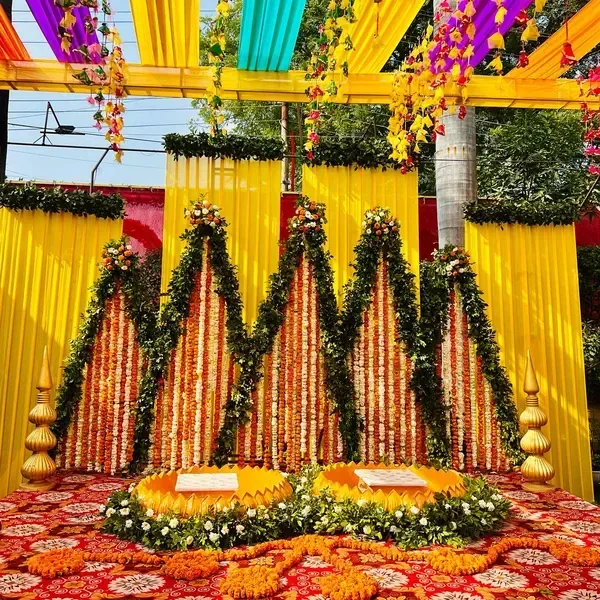
Parents kick off their search by wanting someone "deen-dar," meaning strong in faith. It's less about looks—qualities like daily prayers, honesty, patience, and dignity matter more. Even great qualifications don’t top these traits.
Background matters too. In Indian Sunni communities, identities like Hanafi and Shafi'i mix with regional cultures like Urdu speakers from UP or Mappila Muslims from Kerala. Each group might have its unique aspects but they all hold core Islamic values dear. Connecting over shared faith brings families together on food or weekend traditions.
Family Trust and the Emotional Heart of the Process
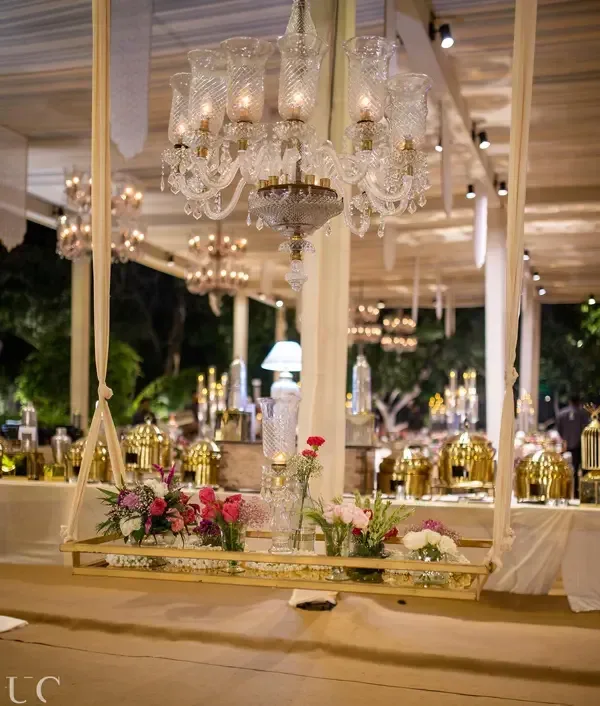
The family plays a big role in finding matches within Sunni culture. Mothers often look for good options at masjids and hear about women through community networks. Dads check character and financials while siblings help out too. Couples talk with a mahram before making decisions.
You might catch these chats over biryani at social events or post-Friday prayers; they seem casual but hold real weight; families take their time.
Modern Sunni Couples: Faith and Ambition Together
Today’s couples are aiming high—doctors, engineers, lawyers—mixing work goals with their faith roles. A woman working on her MBA while leading her local halaqa? That’s common; it shows the community cares about ilm (knowledge) alongside ibadah (worship). Her partner should appreciate both sides.
- Mahr is essential for brides—not just a formality
- The Walima boosts community ties as part of sunnah
- Bride and groom always can refuse any match offered
- Character (akhlaq) matters as much as degrees do
- Cultural compatibility connects back to regional backgrounds
Using Sunni Matrimonial Platforms Wisely
Online platforms for Sunnis let you filter searches based on sects, regions, education levels, or piety levels. Some sites allow family members to dive in too — keeping things Islamic-friendly. It’s about finding someone who’ll pray with you and shares your values.
Sunni Matrimony FAQs
What does Mahr mean in a Sunni marriage?
Mahr is a gift the groom must give the bride, agreed upon before the marriage ceremony (Nikah). It's her right, and only she can decide what to do with it. It can be given immediately or promised for later, and they figure out the amount by talking it over respectfully.
Can a Sunni woman refuse a marriage proposal?
Absolutely, she can. In Islam, women have the full right to say no to a marriage proposal. For a Nikah to be valid, the bride has to freely agree to it. Families that honor this are considered to be more in line with their faith.
What's the difference between Nikah and Walima in Sunni tradition?
Nikah is the marriage ceremony where you sign the contract. Walima comes after, and it's a feast from the groom's family after the marriage is consummated. It's a Sunnah practice to announce the marriage to everyone.
How do sub-groups impact Sunni marriages in India?
Sunni Muslims in India are part of various sub-groups like UP Urdu-speaking families, the Mappila Muslims from Kerala, and Bohra and Memon families from Gujarat. Each has unique cultural practices but shares Islamic beliefs. People usually look for matches within their group to stay culturally aligned.
How do they make sure Sunni matrimonial profiles aren't fake?
The good Sunni matrimonial sites verify profiles by checking phone numbers, emails, and documents. Some sites also allow a Wali to handle the bride's profile to keep it modest and in line with Islamic guidelines.
Where Sunni Matrimony Matches Are Growing: Maharashtra, Uttar Pradesh, and Bihar
With 165 profiles spread across major states, this map-style listing helps identify where Sunni matchmaking opportunities are most practical.
Find Sunni Brides & Grooms in Major Cities
Explore city-wise matchmaking options for Sunni to shortlist compatible profiles for marriage in active local hubs.
All cities include verified active profiles updated regularly.
 App Store
 Play Store
