
Old Mumbai's Brahmin Heart Kokanastha Families in Parel
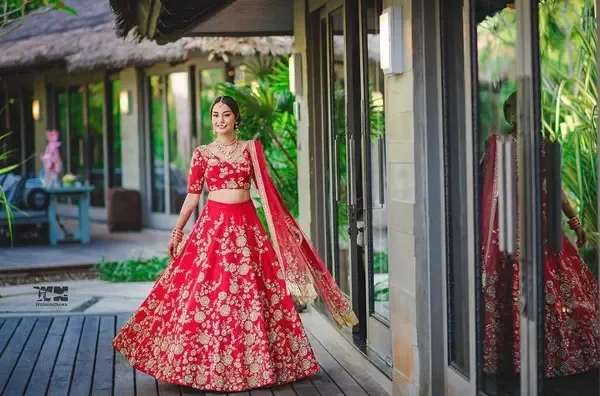
Parel changed from a mill area to a corporate space, but some old parts still exist—chawls and close-knit communities with Maharashtrian workers remain. Brahmin Kokanastha Hindu Matrimony families have called this place home for years. They've seen the mills shut down and towers go up, but they hold onto their identity as Chitpavan Brahmins, blending city life with their Konkan roots.
For those living in small apartments now, ancestral villages in Ratnagiri or Sindhudurg mean a lot—some haven’t returned in ages. Visiting temples and celebrating festivals isn’t just nostalgia; it helps maintain family bonds. When it’s time for matchmaking, knowing these ties is crucial. It’s more than a detail—it matters for harmony.
Matrimonial Life in Parel's Kokanastha Community

Kokanastha Brahmin families strengthen South Mumbai’s larger Maharashtrian community. They consider marriage options shaped by city life and job prospects. Most introductions occur through Chitpavan associations or respected elders who care about sharing histories.
In this environment, first-family meetings often happen outside homes. Kokanastha families usually gather at casual Dadar restaurants or community halls, sometimes by trusted family temples. They're attentive—how someone talks, treats staff, or handles awkward moments all count.
Urban Life and the Kokanastha Sense of Home
Kokanastha families face unique challenges in tight apartments. Small spaces push them to find creative ways to manage daily routines; close quarters with mother-in-law and daughter-in-law can be tricky. Those who discuss personal space before marriage tend to avoid problems later.
Kokanasthas pursue wide-ranging careers—law, IT, you name it. Education carries a lot of weight here. Many young professionals build strong careers before thinking of marriage, leading to better discussions on lifestyle expectations than past generations had.
Ganeshotsav as Matrimonial Social Occasion
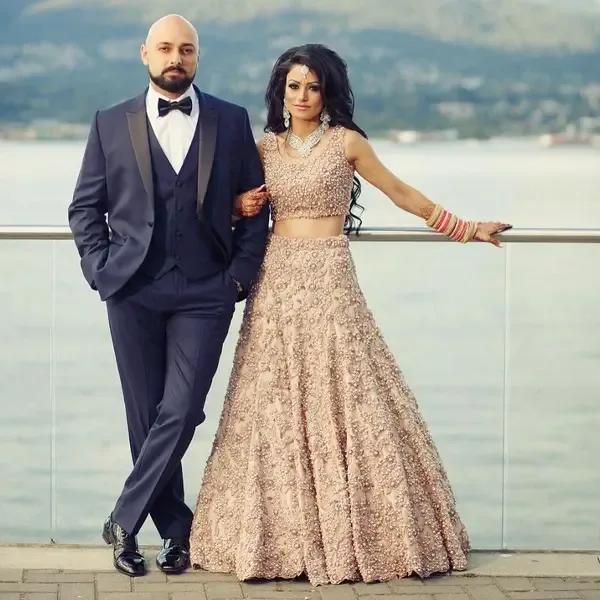
For Kokanastha Brahmins in Mumbai, Ganeshotsav is significant—a ten-day celebration uniting communities. Families tied to the same Ganesh mandal grow closer by preparing festivities together and sharing daily aartis and prasad over time, leading to connections and sometimes matches.
Weddings generally stick to Vedic rituals—a traditional mandap ceremony accompanied by Ashirvad honoring important moments; saptapadi isn't rushed. In Mumbai’s changing social landscape, smaller events blend together; mehendi and haldi occur at home without strict rules while keeping traditions across different customs.
- Ties to ancestors across generations boost compatibility.
- Participation fosters solid backgrounds that help create strong marriages.
- Managing daily tasks supports smooth processes encouraging real conversations over relatable topics.
- Gatherings boost spatial awareness creating lively dialogues around shared experiences.
 App Store
 Play Store
