


Matrimony Cities for Maratha Near Dhule
Browse matrimony profiles by city for Maratha.
Find Maratha matrimonial profiles in Dhule, Maharashtra, connecting Khandeshi Marathas. Discover a reliable partner in the Khandesh region now.
Of the 9 profiles listed for Maratha in Dhule, the list holds 8 brides and 1 groom. The average age is 29 years, with profiles ranging from 25–33 years old. Preparing for MPSC is the profession that appears most often. The only sub-community group in this slice is Maratha (9).
Live insights derived from current profile data.
Browse matrimony profiles by city for Maratha.
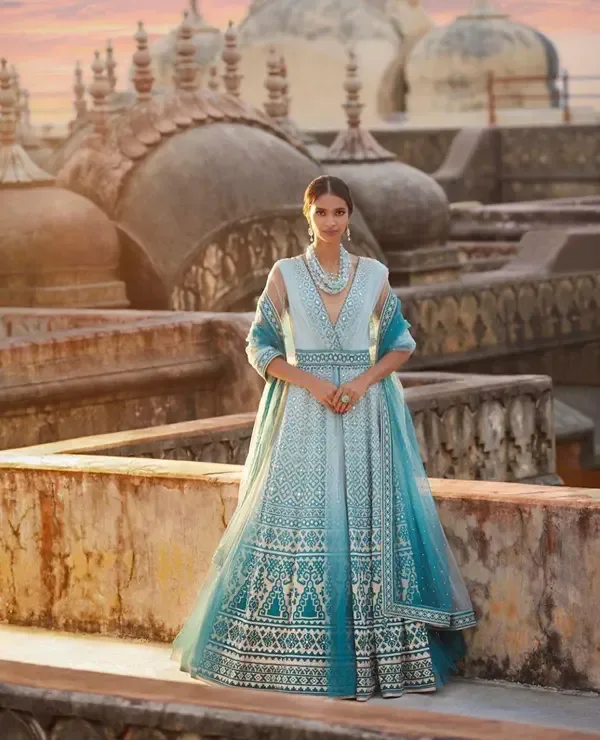
Dhule stands out in Maharashtra. It’s the historical capital of Khandesh and has the Tapti River flooding its plains. There's a strong cotton culture and a rich past from the Khandesh Sultanate days. That makes the Maratha community confident and family-centered. In marriage, Dhule's Maratha families stick to their Khandeshi traditions—no influences from Pune or Sunni Matrimony in Mumbai.

Marathas here really pride themselves on being Khandeshi, which is different from Pune’s Desh Marathas or Konkan folks. Their dialect, Khandeshi Marathi, shows this identity. Families that move to Mumbai or Pune often bring it up when talking about marriage. Being Khandeshi means valuing close cultural ties when looking for alliances.
Matrimonial connections often come through agricultural co-ops focused on cotton and banana farms involving Marathas. A son working in Rajput Matrimony in Pune stays linked to village life as he looks for a match; it keeps them grounded.
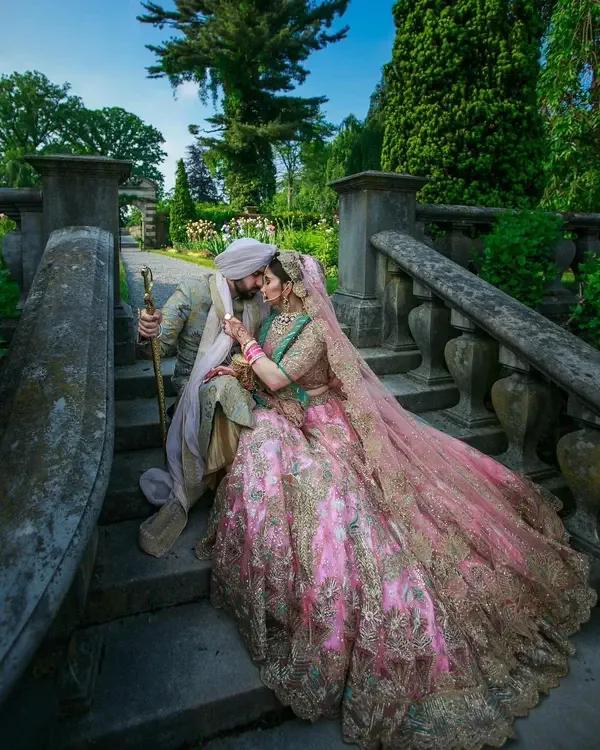
Weddings here come with specific customs that set them apart from the rest of Maharashtra. The folk music is called Khandeshi ahirani, nothing like what you hear in Pune or Nashik. Brides even wear a unique style of the nauvari saree. And let’s talk about food: think harbharyachi usal, local-style bhakri, and special fish dishes passed down through families.
The antarpat ceremony follows true Maratha Vedic tradition; they'll call upon deities like Khandoba at the start too. Everyone gets involved—it’s big on hospitality.
Agricultural skills really matter here; owning land shows status. Formal education matters now too. Knowing how to manage land plus teaching farming improves family reputation in matchmaking circles. Government jobs through MPSC—like teaching and police roles—are popular choices.
Daughters? There’s more focus on education lately; you see B.Ed., nursing, and B.Sc. degrees becoming usual now. Families showcasing these skills draw better attention from grooms seeking educated partners. A Dhule Matrimony Profiles aims to balance home life with her career.
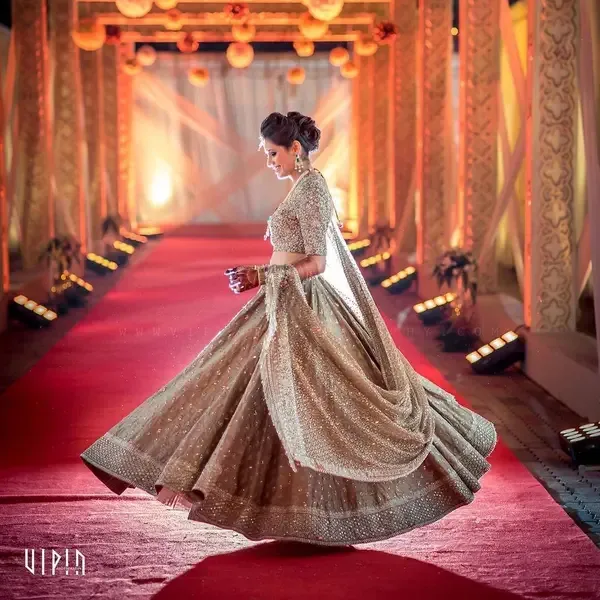
A wedding during cotton harvest (October-December) is full of life. Fields look good, families are busy earning money, so weddings reflect that mood with great feasts! Every guest—farmhands to childhood friends—gets treated right with tons of food. Decorations aren’t a big deal; it’s all about meals and good welcomes.
Khandeshi values really shine here: sharing freely—hospitality reflects true character more than displays do.
Younger folks from Dhule’s Maratha families are jumping into online platforms—especially those working around Pune, Mumbai, or Nashik. Profiles should be straightforward: better if they say they're from Dhule with farming or job details; mentioning MPSC backgrounds helps attract attention. Common roots spark quick connections during marriage discussions.
Dhule is part of the Khandesh area, and they’ve got their own Khandeshi Marathi way of talking, unique folk music, and a strong farming background. This makes their marriage customs different from those in Mumbai or Pune.
It's a big deal! Sharing the same language, food, and traditions helps families connect easily. Even if folks are living in places like Mumbai or Pune now, Dhule families still look for matches from the Khandesh area.
They often prefer guys who have cleared the MPSC exams, work in government jobs like police, revenue, or education. Engineering and agricultural science degrees are good too. Being able to manage farmland is a plus along with formal qualifications.
Yes, they’re open to Maratha families now living in Mumbai or Pune if they still have roots in Dhule or Khandesh. They prefer families with that connection over those without any ties to Khandesh.
They focus on Khandeshi food, like bhakri made from bajra or jowar, freshwater fish dishes, and harbharyachi usal. They also have the usual Maharashtrian wedding foods. How well you take care of your guests and how much food is served are big deals.
 Support
 App Store
 Play Store