Punjabi Matrimony Profiles
Showing 354+ verified profiles · Punjabi
Corishta brings together 354+ verified options for Punjabi Matrimony Profiles. Whether families are browsing by community, city, or marriage intent, this section supports focused partner discovery.



🔒 View More Profiles
Register free to see full profiles, contact details, and photos.
- or -



Punjabi Matrimony: Find Your Perfect Match with Family Values
The Punjabi Spirit: Living Larger Than Life
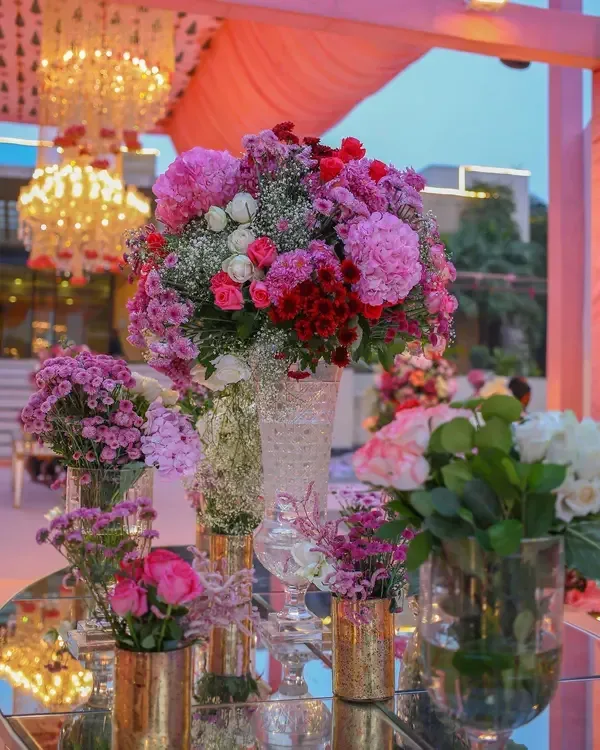
Punjabi weddings show why the community loves to celebrate. It's not just about extravagance; there's a lot of genuine feeling. When they care, they make sure you're stuffed. Welcoming someone? Oh, you’ll feel it. Celebrating? They dive right in—bhangra is the heartbeat of it all. That’s how they roll.
Regional and Religious Dimensions of Punjabi Identity
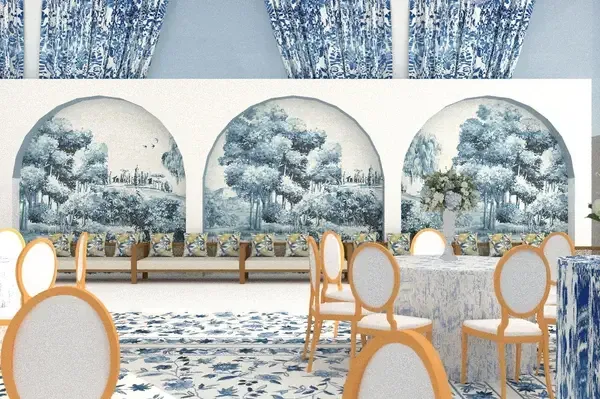
The Punjabi community isn't a one-size-fits-all. You've got Sikh, Hindu, and Muslim Punjabis, some linked to families from back when, and others from different casts like Khatri, Arora, Jat Sikh, Ramgarhia, Saini, Gujjar, and more. Different traditions and ideas at play there. A Khatri Hindu family in Delhi thinks differently than a Jat Sikh from Amritsar or a Ramgarhia from Jalandhar. But family and celebration? That's common ground.
The 1947 Partition hit hard on Punjabi identity today. Many remember leaving Lahore or Rawalpindi with nothing and starting fresh—proof of resilience and unity. This past might not surface during matchmaking talks, but it shapes how families bond.
Punjabi Wedding Traditions
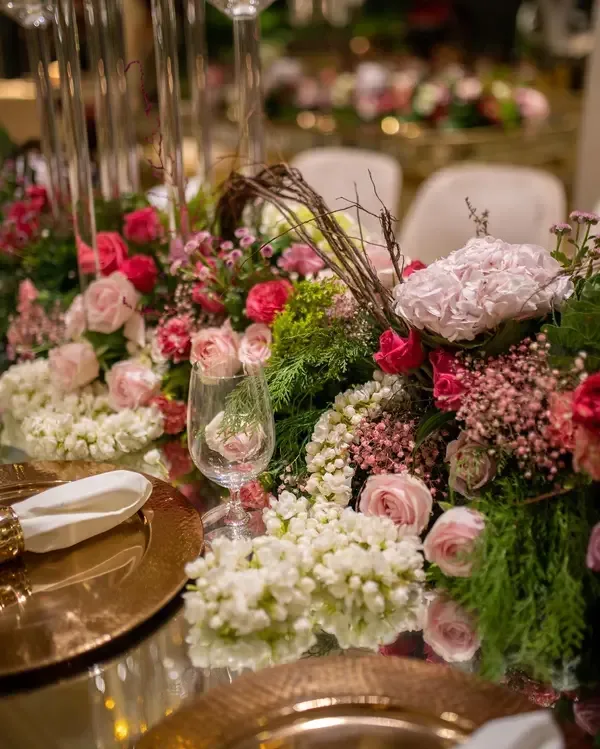
A Sikh Punjabi wedding kicks off with Anand Karaj—the ceremony by the Guru Granth Sahib. The couple circles the scripture four times with hymns in the background. Simple but powerful—the music stays with you.
Hindu weddings have their own flair with Saat Phere (seven circles around the fire) at the Vivah ceremony. The Chunni (groom's side covers bride with dupatta) and Milni (families meeting) add more depth to feelings. Pre-wedding fun like Sangeet, Mehendi, Haldi is grand—it shows how Punjabis love to create memories.
What Punjabi Families Seek in a Match
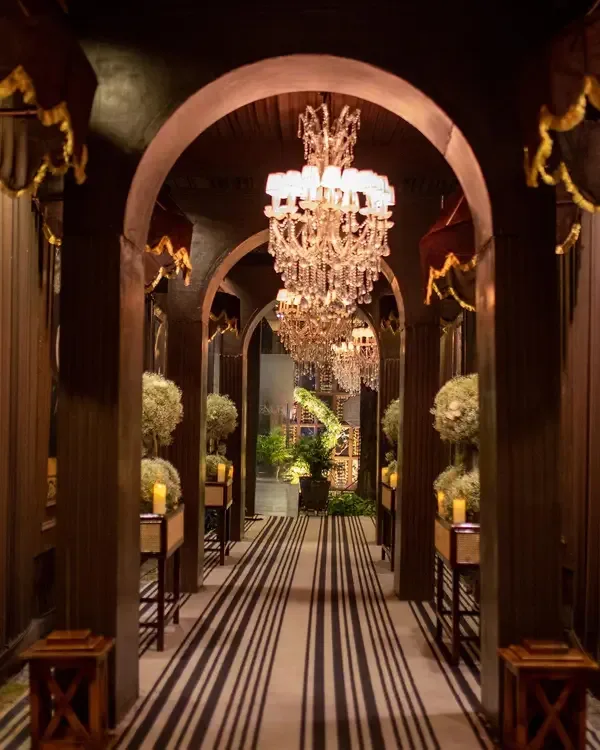
Punjabi families check out potential matches their way—friendly but straightforward. Is he doing well for himself? Does he genuinely respect his mom—not just pretending? Is she educated and kind? Can she hold her own in a busy home?
Sikh families place weight on Waheguru-da-naam and being part of sangat—that’s vibe at their core. For both Sikh and Hindu families, social standing matters too—they want to be seen as warm & trustworthy; that rep impacts what kids inherit.
- Sikh Anand Karaj happens by the Guru Granth Sahib
- Partition history shaped values like loyalty and strength
- Sub-caste info (Khatri, Arora, Jat Sikh, Ramgarhia) matters when finding matches
- Pre-wedding occasions (Sangeet, Mehendi, Milni) involve all communities
- Family reputation counts alongside individual skills
Punjabi Matrimony Online: Find Your Match
You can look on Punjabi matrimonial sites by religion, sub-caste, region (urban Punjab or diaspora in UK/Canada/US/Australia), or career too. A good profile shows your achievements while also reflecting your family's warmth. Choosing a match is really about bringing two families together plus those two met.
Punjabi Matrimony FAQs
What's the Anand Karaj ceremony all about in Sikh weddings?
Anand Karaj is the Sikh wedding ceremony where the couple walks around the Guru Granth Sahib four times. While they do this, the guests sing hymns. It's a spiritual and community-focused event.
What are some of the big sub-groups in Punjabi matrimony?
You've got Khatri, Arora, Jat Sikh, Ramgarhia, Saini, and Gujjar among Sikhs and Hindus. Each one's got its own wedding customs and cultural focus. Families usually look within their own sub-group to stay closer to their culture.
What impact does Partition history have on Punjabi marriage values?
The history of Partition made Punjabi families strong, ambitious, and community-focused. Starting anew taught them the importance of hard work, family loyalty, and supporting each other. These values play a big part when families consider marriage matches.
What's the Milni ceremony all about in Punjabi weddings?
Milni is when the older family members from both sides meet up before the wedding. The men are introduced to each other, and they swap garlands. It's a respectful and heartfelt way to show the families coming together.
Why does the diaspora matter in Punjabi marriage searches?
It's really important. Punjab has a huge community spread out over places like the UK, Canada, Australia, and the US. Punjabi families in India often look for matches living abroad, while those abroad are looking at India for cultural reasons. Whether someone's part of the diaspora is common info in Punjabi marriage profiles.
Where Punjabi Matrimony Matches Are Growing: Punjab, Delhi, and Haryana
With 354 profiles spread across major states, this map-style listing helps identify where Punjabi matchmaking opportunities are most practical.
Find Punjabi Brides & Grooms in Major Cities
Explore city-wise matchmaking options for Punjabi to shortlist compatible profiles for marriage in active local hubs.
City pages are refreshed with active profile availability for reliable matchmaking discovery.
 App Store
 Play Store
