Obc Matrimony Profiles
Showing 79+ verified profiles · Obc
Explore Obc Matrimony Profiles with 79+ verified profiles on Corishta. From community filters to profile details, this page is built for serious matchmaking conversations.

🔒 View More Profiles
Register free to see full profiles, contact details, and photos.
- or -

OBC Matrimony: Real Matches, Strong Roots, Celebrate Culture
The OBC Community: A Nation Within a Nation
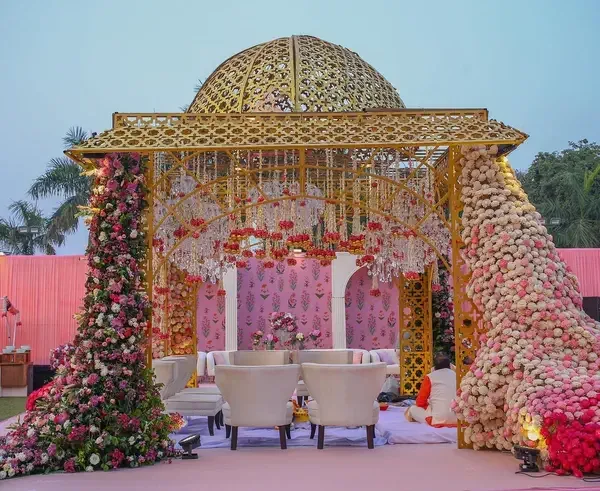
India's Other Backward Classes aren't just one group but hundreds of communities, each with unique languages and traditions. From Yadavs in Bihar and UP to Kurmis in central India, Kolis in Gujarat, and the Ezhava community in Kerala. Then there are Vokkaliga in Karnataka and Bhandari in Maharashtra—together they all add to this mix. They might be different, but they've got a shared history rooted in hard work in India’s agrarian and service sectors.
Identity and Pride in OBC Matrimony
OBC families looking for marriage knows exactly who they are. Think of that Kurmi family from Madhya Pradesh—they’re proud of their identity. A Koli family from Gujarat really connects with its maritime roots. The OBC platform shows how these groups have advanced despite past education setbacks, now becoming engineers, doctors, IAS officers, and more. This progress is key when searching for matches.
For Backward Class families, finding a match means prioritizing connection—someone who gets the values of hard work and education. It’s about truly understanding where you come from. That shared history creates genuine bonds that matter.
Marriage Traditions Across OBC Communities
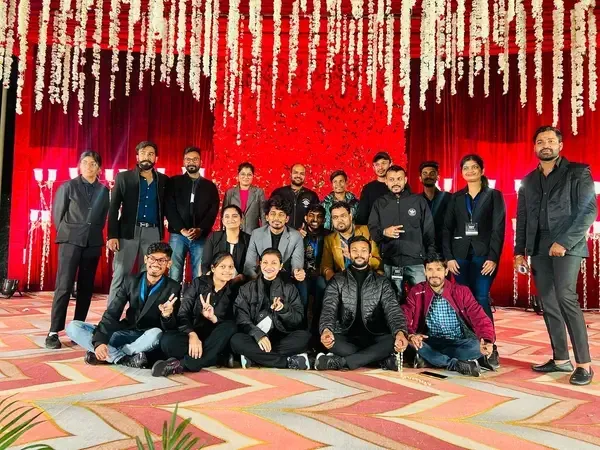
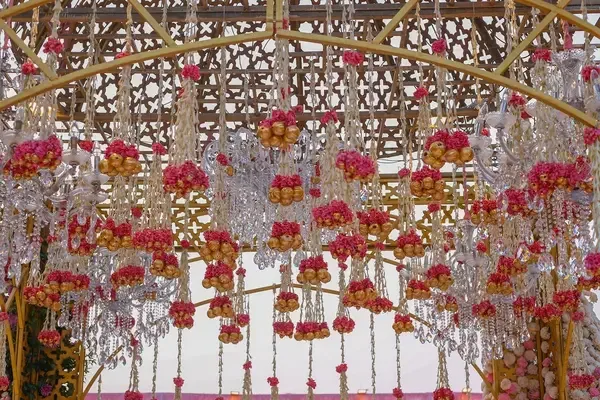
Matrimonial customs may differ, but some elements stay the same. Weddings are big community events everyone jumps into. Food matters—a lot— with local dishes served generously. Live music comes from folk musicians rather than playlists, showcasing their culture. The ceremonies can blend Hindu and Muslim elements but focus more on social aspects than being formal.
Marriage links families together—not just two people—and builds useful networks later on. When both sides are satisfied with the match, it brings everyone closer.
What OBC Families Look for in a Partner

No matter the community differences, some values are always part of marriage discussions. Hard work is critical as well as loyalty towards family and respect for elders and kids. Educational achievements matter—a first-gen college graduate or someone with a government job brings pride to families. They look for proof that roots aren’t forgotten no matter how far they've come.
If a potential son-in-law visits the girl's home meaningfully and enjoys the food served? If he treats her dad with kindness? Cares about family well-being? That counts a lot.
- OBC encompasses diverse sub-communities with unique traditions
- Celebrating first-generation educational achievement is important
- Weddings center around community and delicious food
- Loyalty to family and practical wisdom matter
- Strong social networks help when considering matches
OBC Matrimony Platforms: Community, Not Category
The best OBC matrimonial platforms get that users aren't looking for “OBC” as an ID tag—they want communities like Yadav, Kurmi, Koli, Vokkaliga, Ezhava, Bhandari, etc. With easy-to-use community filters and regional searches plus verified profiles, families can explore this variety easily. The platform serves as online extensions of traditional networks—always essential to these families.
Obc Matrimony FAQs
What communities are included in the OBC marriage group?
OBC (Other Backward Classes) includes a lot of groups like Yadav, Kurmi, Koli, Vokkaliga, Ezhava, Bhandari, Teli, Saini, and others. Each has its own way of doing marriages and cultural background. OBC matrimonial sites let you search by specific sub-community.
How do OBC families look for marriage partners?
Lots of OBC families start by asking around in their community, going to local events, or talking to people they trust before they think about online options. They focus on character, education, family reputation, cultural fit, job, and finances.
Do OBC weddings stick to the usual Hindu rituals?
It depends. Different sub-communities and regions might do things differently. A lot of OBC communities have their own local Hindu or folk traditions instead of the typical Brahminical Vedic ones. Some even have unique priests and ceremonies. And for Muslim OBC communities, they follow Islamic wedding customs.
What's educational achievement mean in OBC matrimony?
For a lot of OBC families, having the first doctor, engineer, or IAS officer is a big deal and makes everyone proud. Education is a big plus when looking for matches, but they also want to make sure it hasn't caused anyone to lose touch with community values.
Can people from different OBC sub-communities marry each other?
They sure can, and it's happening more these days. In cities, OBC families are often okay with matches from other sub-communities if they share the same culture, education, and values. In rural areas, families might still lean towards sticking within their community for better social connections.
Where Obc Matrimony Matches Are Growing: Uttar Pradesh, Maharashtra, and Madhya Pradesh
With 79 profiles spread across major states, this map-style listing helps identify where Obc matchmaking opportunities are most practical.
Find Obc Brides & Grooms in Major Cities
Explore city-wise matchmaking options for Obc to shortlist compatible profiles for marriage in active local hubs.
City pages are refreshed with active profile availability for reliable matchmaking discovery.
 App Store
 Play Store
