





Matrimony Cities for Maratha Near Satara
Browse matrimony profiles by city for Maratha.
Looking for your ideal Maratha matrimonial match in Satara? Meet like-minded singles who embrace your cherished cultural values and warm traditions today!
The average age is 33 years, with profiles ranging from 28–46 years old. Every profile on this page is a groom profile (6 in total). The page tracks 6 profiles scoped to Maratha in Satara. The leading profession in this slice is Private Company. The two largest sub-community groups are Maratha (3) and Maratha 96 Kuli (3).
Live insights derived from current profile data.
Browse matrimony profiles by city for Maratha.
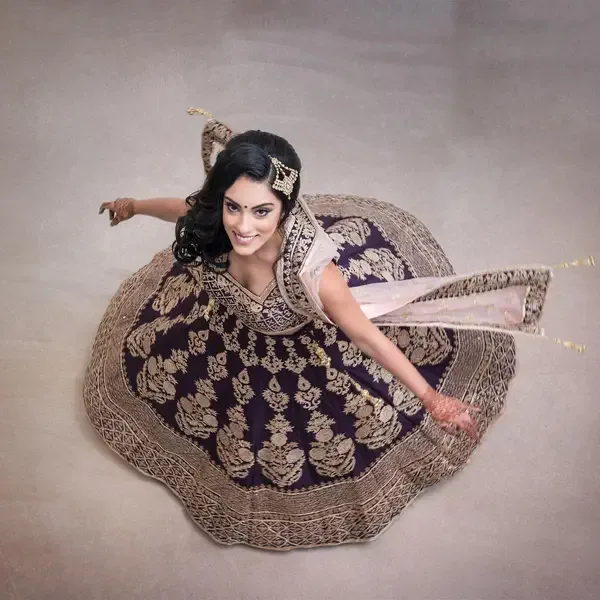
You can't walk through Satara without feeling history. Ajinkyatara fort stands tall, keeping watch, and valleys are named for Maratha generals who were once here. For families, it's more than stories; it's who they are, and it impacts how they see marriage.
Satara's vibe is its own—different from Pune's rush or Kolhapur's warmth. It has a steady pulse and fierce loyalty. Maratha families aren't casual about relationships; choosing a match here means both sides have really considered it.
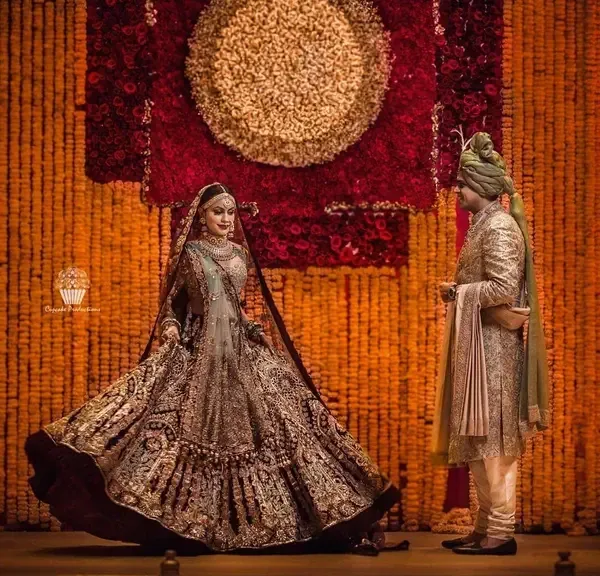
Mornings kick off with spicy smells from breakfast and temple bells ringing nearby. The market is alive with friendly faces—the veggie seller your family knows and the tailor linked to your mom. These connections matter when families evaluate a match.
Sugarcane fields stretch endlessly, making quality jaggery that speaks to people’s character: formal at times but warm beneath it all.
Maratha families get straight to the point about what they're after. Character is key. If someone’s hard-working, respectful, and honest, they'll be welcomed—wealth isn't everything.
Education counts too but isn’t the end-all. Many prefer practical partners over those with fancy degrees but no common sense. There’s a saying suggesting managing a household is worth more than ten degrees.
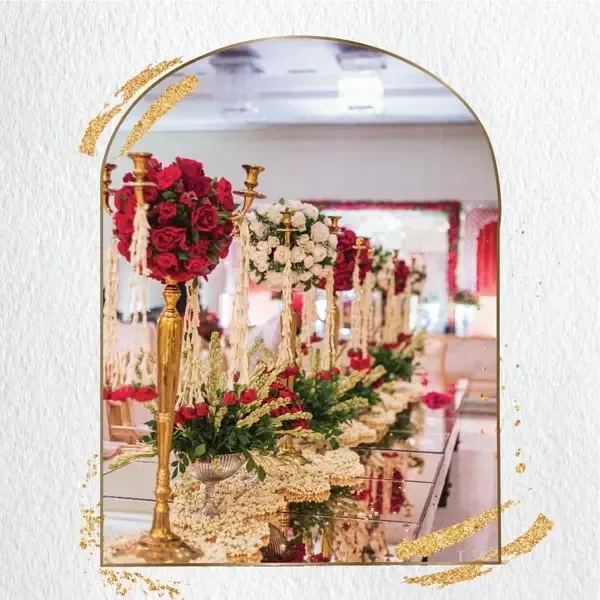
A Maratha wedding in Satara involves everyone—not just guests invited. Streets fill up with folks showing up because they know the family. Food flows—think puran poli or batata bhaji—and nobody goes hungry. Rituals are significant: thread exchanges, kanyadaan, those seven steps taken together by the couple.
For many families, weddings also reflect community approval. Elders who’ve observed both sides give their blessing—it carries weight and is respected. It’s festive yet deep-rooted.
Satara moves with the times; there's activity! Plenty of schools around, government jobs available, and lots of young professionals commuting to Pune or Karad but returning home regularly. This younger generation wants partners who can navigate modern careers and traditional values smoothly.

If you’re looking for a match in Satara or curious about the culture—it kicks off with honesty. Marriage is about connecting two people to build something solid—a life that echoes the hills around them.
Your story will carry bits of Satara—in your mother-in-law's shengdana chutney recipe or when your father-in-law insists on visiting the fort on Diwali. These little details shape shared life.
Maratha families in Satara care most about the family's reputation, a person's character, and gotra compatibility. Money is important, but they tend to focus more on the person's values and how they get along with family during that first meeting.
Their first meeting, called mulagi pahana, usually happens at the girl's family house. Close and extended family show up. They serve tea and snacks, and everyone talks about family history, what both the girl and boy want, and ask any questions they have.
Yep, families from Karad, Wai, Patan, and Mahabaleshwar fit well with Satara customs. They share similar dialects and traditions, making these matches a good fit.
In Satara Maratha weddings, they usually start with rituals for their family deity, the kul devata, before any wedding prep kicks off. The ceremony sticks to Vedic traditions but throws in local twists with unique music and decorations that are really specific to that area.
 Support
 App Store
 Play Store