Brahmin Hindibhashi Matrimony Profiles
Showing 96+ verified profiles · Brahmin Hindibhashi
Brahmin Hindibhashi Matrimony Profiles on Corishta features 96+ verified profiles. This page helps families compare background, community preferences, and marriage intent before taking the next step.



🔒 View More Profiles
Register free to see full profiles, contact details, and photos.
- or -




Brahmin Hindi Matrimony: Where Tradition and Modern Meet
The Hindi Belt Brahmin: Ritual Depth in Everyday Life
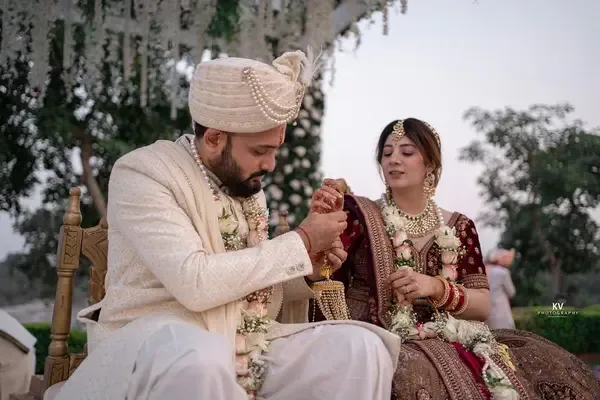
In a Hindi-speaking Brahmin house in Uttar Pradesh, Madhya Pradesh, or Chhattisgarh, mornings kick off with a conch and some incense. They might rush through sandhya vandanam due to work, but it’s part of life. It's not all about the Gregorian calendar; tithi matters too. Ekadashi fasts are common, Navratri changes what they eat, and during Pitru Paksha, they reflect. Spirituality is mixed into daily life.
What Makes Hindi-Bhaashi Brahmin Culture Distinct

Brahmin groups around here have their quirks. Saryuparin Brahmins in eastern UP do things differently than Gaur Brahmins in western UP and Delhi. Kanyakubja Brahmins from Kannauj and Kanpur have their own customs too. Still, there’s a common love for Sanskrit, learning, regular family pujas, and strong ties through priestly roles and education.
The Hindi language is crucial; it's a point of pride. You'll catch classical poetry or Ramayana sessions at home — not just sitting on a shelf. Grandma could be reciting while cooking chapatis. Grandpa? He might be explaining shlokas to kids barely paying attention on their phones. This mix of old texts and daily life captures what it means to be Hindi-bhaashi.
Marriage Traditions in Hindi-Bhaashi Brahmin Families

Marriages involve steps and rituals. First is kundali matching — many won’t move forward without checking kultura like guna milan or mangal status (and Nadi dosha). Once that's sorted, families share biodata and photos. The initial meeting (Lagan) has elders around, polite chats going on, plus chai and snacks.
The wedding spans days with Haldi rituals, Mehendi nights, Sangeet (in cities), finally the main Vivah capped by Vidaai — emotions run high all the way through. Many lean on the Paraskara Grihyasutra or other Vedic norms with mantras from their kul purohit (family priest).
The Qualities That Matter in a Match

A good match starts with someone showing sanskaari traits—character is what counts more than education alone. Respecting elders is vital along with willingness for family rituals and community responsibilities too. Academic success matters; having IITians or doctors counts but isn’t everything.
Daughters-in-law? They should fit into the family well — respect for elders during customs matters just as much as career choices do. Sons-in-law need to focus on stability, show respect for their partner's family while also aiming high.
- Kundali matching usually starts the process
- Kul purohit takes part in the Vivah ritual
- Sub-community identity (Saryuparin, Kanyakubja, Gaur) affects match searches
- Sanskrit knowledge and Vedic understanding matter in families
- Family integration with relatives is expected during marriage
Finding the Right Hindi-Bhaashi Brahmin Match
Matrimonial sites for Hindi-bhaashi Brahmins help find matches based on gotra, sub-community identity, origins, and kundali info. These days they're accepting horoscopes for automated matching too. This tech doesn’t lose community vibes but expands them—broadening reach while keeping culture important for these families.
Brahmin Hindibhashi Matrimony FAQs
What sub-communities fall under the Hindi-bhaashi Brahmin category?
Hindi-bhaashi Brahmins include Saryuparin, Gaur, Kanyakubja, and Maithil Brahmins, among others. Each has its own gotra structure, regional roots, and ritual traditions. Families typically specify their sub-community in matrimonial profiles for more precise matching.
How important is kundali matching in Hindi-bhaashi Brahmin matrimony?
Kundali matching is foundational — most families will not proceed to a formal meeting until astrological compatibility has been assessed. Key parameters include guna milan (36-point compatibility), Nadi dosha, and Mangal status. A family purohit usually evaluates the horoscopes.
What wedding rituals are specific to Hindi-bhaashi Brahmin weddings?
Rituals include Haldi, Mehendi, the main Vivah Panchami with Saptapadi (seven sacred steps), Kanyadan, Mangalsutra tying, and Vidaai. The kul purohit recites mantras in Sanskrit, often from specific Vedic grihyasutra traditions based on the family's Shakha affiliation.
How do Hindi-bhaashi Brahmin families evaluate a potential son-in-law?
Key criteria include educational achievement, stable employment or business, respect for the girl's natal family, and a temperament that combines ambition with groundedness. A boy who visits the girl's parents with genuine warmth after marriage is remembered with deep appreciation.
Can a Hindi-bhaashi Brahmin marry into a different Brahmin sub-group?
Yes, many families are open to matches with other Brahmin sub-groups provided gotra compatibility is confirmed and kundalis align. Urban families are generally more flexible than rural ones, though both will verify gotra and sub-community details carefully.
State-wise Brahmin Hindibhashi Matrimony Opportunities in Uttar Pradesh, Delhi, and Bihar
Brahmin Hindibhashi matrimony demand varies across India, and these top states show where verified profiles and serious matchmaking intent are strongest right now.
Browse Brahmin Hindibhashi Matrimony by Cities
Use these city pages to compare Brahmin Hindibhashi matrimony matches and connect with families seeking serious marriage alliances.
All cities include verified active profiles updated regularly.
 App Store
 Play Store
