

Between Shaniwar Wada's Shadow and the Call to Prayer
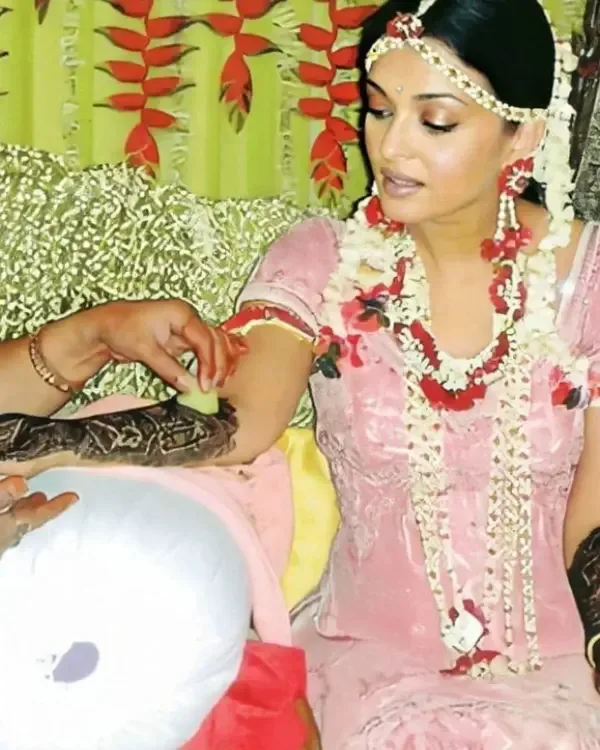
Pune surprises you. It’s got Maratha history mixed with cozy cafes, old wadas beside sleek new offices. You find university students and long-time families living together. Sunni Muslims, especially in spots like Kasba Peth or near Azam Campus, feel at home in this blend. You can embrace your Muslim identity and be a proud Punekar too. For Pune's Sunni families, both sides matter when it comes to marriage.
education scene—Fergusson, Pune University, Symbiosis—has produced many savvy Sunni folks who balance careers and faith. They put in long days at big firms in Hinjewadi, yet still get to Friday prayers. And yeah, they go home to moms already thinking of the next marriage proposal.</pNikah in Pune: Tradition with an Urban Edge
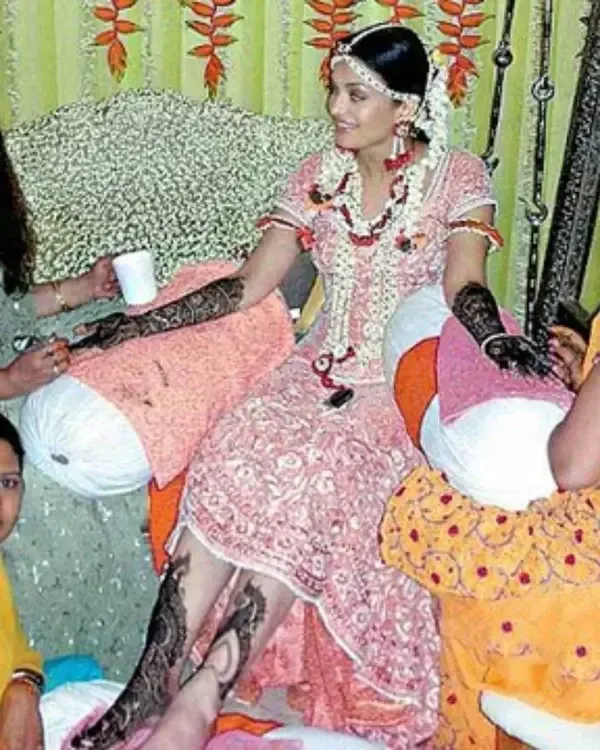
Sunni weddings here focus on what counts—the wali’s role, the meer contract, blessings from the qazi, the usual qubool hai—but things have shifted. Nikah ceremonies often happen in trendy banquet halls instead of just at home. Guests come from different backgrounds; a bride might be from a Konkani Muslim family while the groom roots might trace back to Uttar Pradesh. So you often see various regional customs mingling at these weddings.
This mix is great but tricky. Families navigate language gaps and differing madhab beliefs while aiming for someone whose iman and life goals match up.
The IT-Generation Muslim and Matrimony
Younger Sunnis in Pune, especially those into tech or prepping for exams, generally delay marriage until their late 20s. Parents get it—they understand work timelines that smaller-town families might not comprehend. But when it's time to search for a match, normal steps include: Matrimony Profiles, checking references from community members, and closely observed interactions before any decisions are made.
Online matchmaking is gaining traction among Pune's Sunni crowd since it helps young pros filter options by education level, city focus, and religious practices while keeping family involved. These platforms help out; but ultimately, families make the final call.
What Makes a Good Rishta in Pune's Sunni Circles
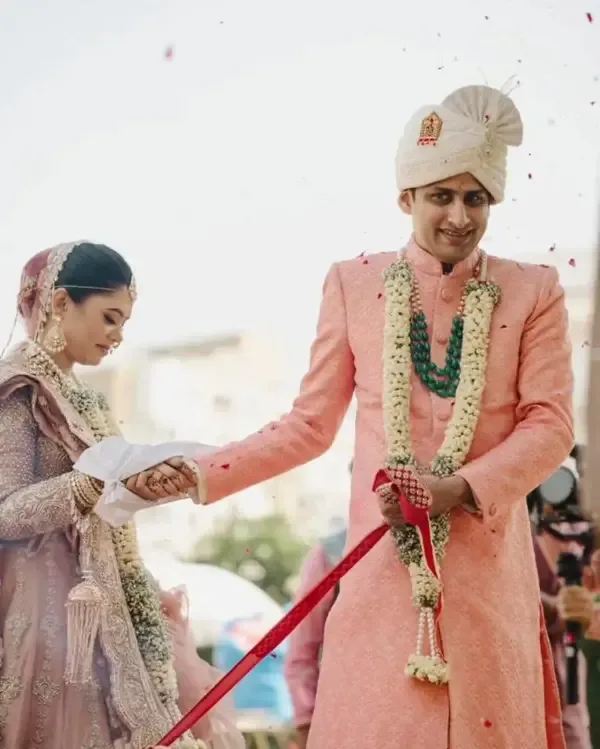
- Educational background—degrees and job titles matter here.
- Religious practice—not just for show but part of daily living.
- Language compatibility—whether it's Urdu, Marathi or Hindi impacts comfort levels based on background.
- Openness to nuclear setups but still valuing family ties.
- Shared views on lifestyle choices—halal matters and social interactions count too.
Community Anchors and Social Matchmaking
Mosques in older areas of Pune plus Islamic learning centers and gatherings during Ramzan play key roles in connecting people for rishtas. Getting an endorsement from a respected imam or elder carries weight. Even those going online usually trust these traditional channels.
If you grew up as a Sunni Muslim here or moved for school or work, know this city's marriage scene gets it—maintaining traditions while offering room to adapt.
 App Store
 Play Store
