Pune Maratha 96 Kuli in Pune Matrimony Profiles
Showing 16+ verified profiles · Maratha 96 Kuli · Pune · Pune
Find Pune Maratha 96 Kuli in Pune Matrimony Profiles in Pune through 16+ verified profiles on Corishta. The listing is designed to make shortlisting easier for families looking for compatible and genuine matrimony matches.
Top Religions in Pune
City-focused religion hubs connected through published SEO pages.
🔒 View More Profiles
Register free to see full profiles, contact details, and photos.
- or -
Maratha 96 Kuli Matrimony in Pune – Heritage, Honour, and Sacred Bonds
Maratha 96 Kuli Matrimony in Pune, Maharashtra

The 96 Kuli Maratha community referred to as Chhappan Nav Kul in Marathi occupies a position of particular pride within the broader Maratha community. This sub-group traces its lineage to the ninety-six clans considered the core Kshatriya warrior families of Maharashtra, with direct historical connections to Chhatrapati Shivaji Maharaj's military and administrative aristocracy. In Pune, the heart of the Maratha nation, 96 Kuli families maintain a matrimonial culture of exceptional specificity one where clan lineage, ancestral village (mool gaon), and the family's historical position within the 96 Kul system are as important as any modern credential.
The Specificity of 96 Kuli Matrimonial Culture in Pune

In Pune, a 96 Kuli Maratha matrimonial alliance does not begin with a profile comparison it begins with a lineage consultation. The family's kul (clan name within the 96), their devak (totem or symbolic ancestor), and their ancestral village are the foundational data points. Two families from the same devak cannot marry this is the primary endogamy rule. But beyond this prohibition, the community's matrimonial preference is strongly within the 96 Kuli group, and alliances outside it are viewed with varying degrees of reservation depending on the family's conservatism.
Pune has a large concentration of 96 Kuli families particularly in the older residential areas of Sadashiv Peth, Narayan Peth, and Kasba Peth, as well as in the newer professional colonies of Baner and Kothrud where younger 96 Kuli professionals have settled. Community organisations specific to 96 Kuli families including their own samaj halls and dedicated matrimonial gatherings make this a well-organised matrimonial community.
96 Kuli Maratha Wedding Traditions in Pune

A 96 Kuli Maratha wedding carries all the elements of the broader Maratha tradition but with additional layers of ancestral ritual. The devakpuja worship of the family's ancestral totem is performed before the wedding as a necessary preparation. The gotra and devak are both verified by community elders before any alliance proceeds. The munji (sacred thread ceremony) for the groom's family, if not completed, may be performed before the wedding.
The wedding ceremony includes the antarpat and saptapadi in the standard Maratha Vedic format. What distinguishes a 96 Kuli wedding is the presence of specific community elders who can verify the families' lineage positions and whose blessing of the alliance carries formal community recognition. In some families, the ancestral kulswami (community deity) Jejuri's Khandoba, Mahalakshmi of Kolhapur, or Bhavani of Tuljapur is visited as part of the wedding journey.
What 96 Kuli Families in Pune Value in a Match
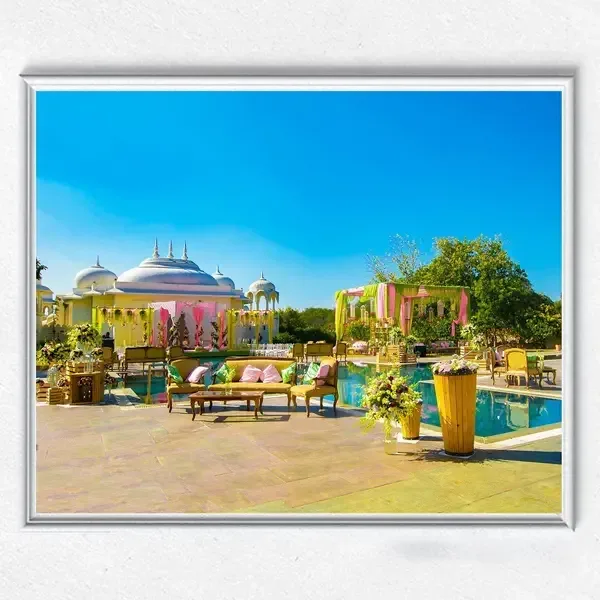
For a 96 Kuli family in Pune, the ideal match is someone from the same community whose family's lineage can be verified, whose devak does not conflict, whose family has maintained its 96 Kuli identity consciously across generations, and who has the education and professional standing appropriate to the family's social position. This last requirement has modernised significantly today's 96 Kuli families in Pune's professional communities expect engineering, medical, or post-graduate qualifications from both potential spouses.
Character remains the core evaluation. A 96 Kuli family with military heritage (many have ancestors who served in the Maratha armies, and contemporary members often serve in the Indian Army) values courage, directness, and family loyalty above all social skills. The bride who can manage a large joint family with calm authority is as prized as the one with a professional career ideally, the same person possesses both qualities.
Key Compatibility Factors for 96 Kuli Families in Pune
- Devak verification same devak families cannot marry; essential non-negotiable check
- Kul (clan) background within the 96 Kuli system assessed by family elders
- Ancestral village connection maintained and valued
- Community deity pilgrimage as part of wedding tradition
- MPSC, UPSC, engineering, medical qualifications valued; Army service highly prestigious
The Dignity of a 96 Kuli Pune Wedding
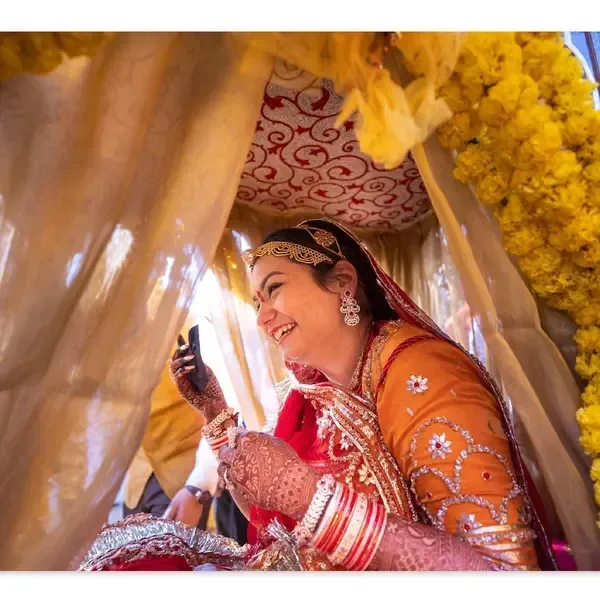
A 96 Kuli wedding in Pune carries a particular quality of dignity. It is not the most extravagant wedding in Maharashtra that distinction goes to other communities with flashier display cultures. But it has a quality of completeness, of everything being done as it should be, that comes from a community that has performed its ceremonies with conscious care for centuries.
When the community elders gather at a 96 Kuli wedding in one of Pune's old peth areas, they bring with them a lineage of memory that stretches back to Shivaji's court. The families assembled are not strangers to each other's histories. The wedding is a reunion as much as a beginning, and the couple at its centre inherits everything that these families have been.
Online Matrimony for 96 Kuli Maratha Families in Pune
Online platforms are increasingly used by 96 Kuli families, but with important distinctions from general Maratha matrimony. Profiles must clearly state 96 Kuli status and kul name. Devak information is sometimes listed; if not listed, it must be confirmed in the first conversation. Families that are serious about community preservation will only engage with profiles that signal 96 Kuli identity explicitly a generic "Maratha" profile will not receive the same response as a specific "96 Kuli / Jadhav Kul / Pune origin" profile.
Pune - Location Map
Explore the area and discover matrimony profiles near Pune.
Pune Matrimony FAQs
What is the significance of devak in 96 Kuli Maratha matrimony?
Devak is the ancestral totem or symbolic clan marker in 96 Kuli Maratha tradition. Families sharing the same devak are considered of the same ancestral line and cannot marry each other — this is the primary endogamy rule.
How does 96 Kuli matrimony differ from general Maratha matrimony?
96 Kuli families maintain stricter endogamy, require kul and devak verification by elders, and have a stronger emphasis on ancestral lineage. Alliances outside the 96 Kuli community are viewed with reservation by most traditional families.
What is the devakpuja ceremony in 96 Kuli Maratha weddings?
Devakpuja is the ritual worship of the family's ancestral totem before the wedding. It is performed as essential preparation and symbolises the family's continuity with its ancestral lineage through the new union.
Are Army service backgrounds valued in 96 Kuli Maratha families in Pune?
Yes, Army service is highly valued — many 96 Kuli families have military heritage from the Maratha era and continuing Indian Army service. A young man with military service carries particular prestige.
How do 96 Kuli families in Pune use online matrimonial platforms?
Online platforms are used but require explicit 96 Kuli community identification — kul name, devak (or willingness to share it), and ancestral village. Generic Maratha profiles without this specificity receive much lower engagement from 96 Kuli families.
Find Pune Brides & Grooms in Major Cities
Explore city-wise matchmaking options for Pune to shortlist compatible profiles for marriage in active local hubs.
City pages are refreshed with active profile availability for reliable matchmaking discovery.