Mumbai Maratha in Mumbai Matrimony Profiles
Showing 20+ verified profiles · Maratha · Mumbai · Mumbai
Corishta brings together 20+ verified options for Mumbai Maratha in Mumbai Matrimony Profiles in Mumbai. Whether families are browsing by community, city, or marriage intent, this section supports focused partner discovery.
🔒 View More Profiles
Register free to see full profiles, contact details, and photos.
- or -
Maratha Matrimony in Mumbai – Roots, Resilience, and Modern Bonds
Maratha Matrimony in Mumbai, Maharashtra
Mumbai's Maratha community occupies a unique position in the city's complex social landscape. Unlike the communities that came to Mumbai primarily for trade the Gujaratis, Parsis, and Marwaris many Maratha families in Mumbai are the city's original inhabitants, or came as part of the working-class migration from Maharashtra's rural interior that built the city's textile mills, its administrative services, and its extraordinary municipal infrastructure. This consciousness of having built Mumbai rather than merely arrived in it gives Mumbai's Maratha community a particular civic pride that flavours their matrimonial culture.
Mumbai's Maratha Matrimonial World
Mumbai's Maratha community is internally diverse in ways that few other cities' Maratha populations are. The CKP (Chandraseniya Kayastha Prabhu) community, historically distinct from Maratha but part of Maharashtra's broader warrior-administrative class, lives alongside the 96 Kuli families, the Kunbi-Maratha farming families who came from Konkan and Vidarbha, and the urban professional Maratha families educated at Mumbai University. Each has slightly different matrimonial norms, and understanding which category a family belongs to is the first step in any alliance search.
Matrimonial networks in Mumbai's Maratha community run through the Ganeshotsav committees of different areas Dadar, Parel, Worli, Ghatkopar which function year-round as community organisations far beyond their festival function. The Shiv Sena and MNS political networks also function as informal matrimonial exchange systems in certain Maratha communities, though this is rarely stated explicitly. Community weddings held in the mangal karyalay of Dadar's Maratha colony areas remain the preferred venue not the hotels of Bandra or Juhu that other communities favour.
Maratha Wedding Traditions in Mumbai
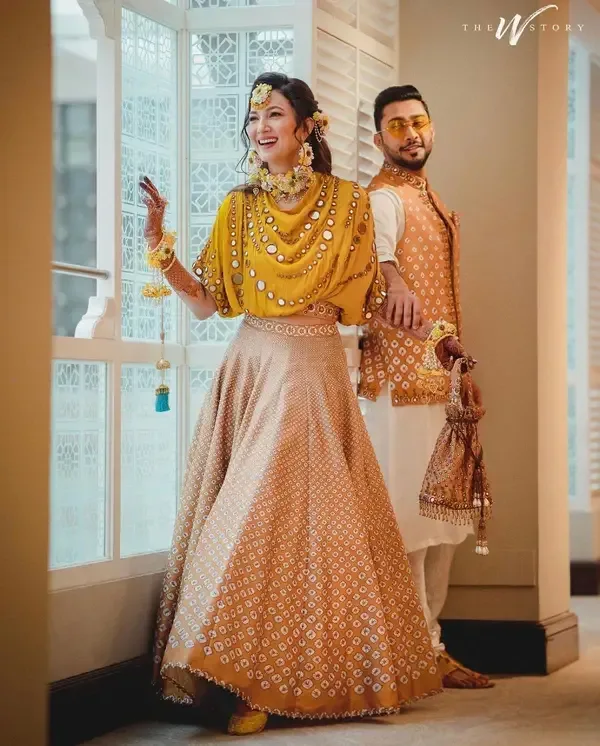
A Mumbai Maratha wedding moves faster than its counterparts in Pune or Nashik the city's time pressure affects even this. The pre-wedding rituals are condensed into a weekend: haldi on Friday evening, sangeet on Saturday, vivah on Sunday morning at the Ganeshotsav mandap or the community hall. The antarpat ceremony is maintained and executed with full ritual care; it is not considered negotiable even in the most modernised families.
Food at Mumbai Maratha weddings reflects the community's Maharashtra roots puran poli, varan-bhaat, amti, and the essential shrikhand puri are standard. Many Mumbai Maratha families include a non-vegetarian feast alongside the vegetarian unlike some other communities, meat is a normalised part of the celebration food culture here, and its inclusion is seen as an honest reflection of the community's food tradition rather than a compromise.
What Mumbai's Maratha Families Seek in a Match
Mumbai's Maratha families seek competence professional competence that can stand up to the city's competitive environment. A young man with a government job (MPSC, Railways, Municipal Corporation) provides the security that Mumbai's cost of living demands. A young man building a small business in the city's trades construction, transport, local services is equally valued if the trajectory is visible. The desire for a corporate career in an IT company is more common among Mumbai's younger Maratha generation, and families are increasingly supportive of this.
For brides, Mumbai's Maratha community has moved significantly toward supporting post-marriage employment. The city's cost of living makes a dual-income household not just desirable but often economically necessary. Families want educated daughters-in-law who can contribute professionally; they also want someone who will maintain the family's Maratha cultural identity within the Mumbai mix.
Key Compatibility Considerations in Mumbai Maratha Matrimony
- Sub-community matters: Maratha, CKP, 96 Kuli, Kunbi-Maratha each has distinct matching norms
- MPSC, government employment, and stable city-based careers valued
- Ganeshotsav committee and community organisation involvement signal good family standing
- Geographic preference: Maharashtra belt; families open to inter-city alliances within state
- Non-vegetarian food culture normalised relevant compatibility consideration
The Urban Emotion of a Mumbai Maratha Wedding

There is something particular about a wedding in Dadar's Maratha colony the way the entire building descends into the compound for the baraat; the way the dhol echoes differently against apartment walls than it does against open fields; the way the smell of marigolds and coconut oil and non-vegetarian wedding food creates a specific Mumbai-Maratha scent that diaspora families who have moved away say they can call up from memory anywhere in the world.
Mumbai's Maratha weddings are compressed and intense in a way that reflects the city itself. Everything happens faster, everything is louder, everything is felt more acutely because Mumbai people have learned to feel things quickly and hold them fully in the time available before the city demands their attention again.
Online Maratha Matrimony for Mumbai Families
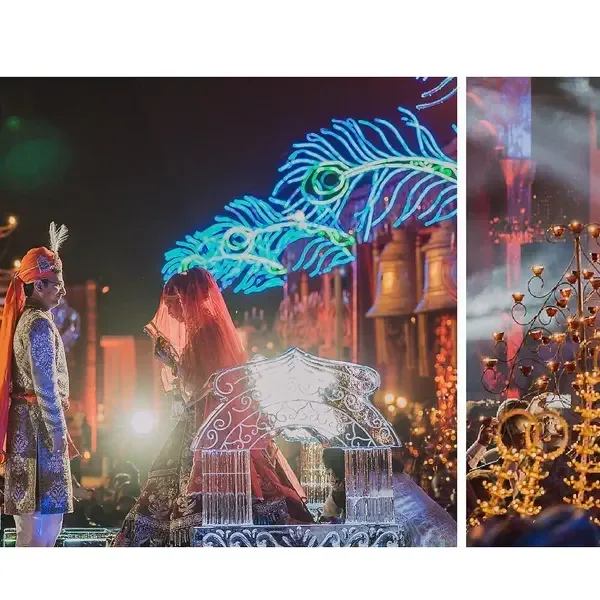
Online platforms are widely used by Mumbai's Maratha community. Profiles should clearly state sub-community (Maratha, CKP, 96 Kuli), Mumbai area of residence (Dadar, Ghatkopar, Worli, etc.), professional background, and family's district of Maharashtra origin (Konkan, Pune belt, Vidarbha, etc.). Mumbai-born Maratha families and those who migrated from different parts of Maharashtra have different cultural expectations specifying origin helps avoid early mismatches.
Mumbai - Location Map
Explore the area and discover matrimony profiles near Mumbai.
Mumbai Matrimony FAQs
Which Maratha sub-communities are active in Mumbai matrimony?
Maratha, CKP (Chandraseniya Kayastha Prabhu), 96 Kuli Maratha, and Kunbi-Maratha are the main sub-communities active in Mumbai matrimony, each with distinct matching norms.
How does Mumbai Maratha matrimony differ from Pune Maratha matrimony?
Mumbai Maratha weddings are faster-paced and more condensed due to city time constraints. The community is more internally diverse (including CKP, Konkan-origin families), and dual-income household expectations are more normalised.
What role do Ganeshotsav committees play in Mumbai Maratha matrimony?
Ganeshotsav committees function as year-round community organisations in Mumbai's Maratha neighbourhoods. Family standing in the committee network is a matrimonial social signal in areas like Dadar and Ghatkopar.
Is non-vegetarian food included in Mumbai Maratha weddings?
Yes, non-vegetarian feast alongside vegetarian is normalised in Mumbai Maratha wedding culture. This is a cultural norm reflecting the community's food identity, not a deviation.
What professional qualifications are preferred in Mumbai Maratha matrimony?
MPSC, government service, and stable Mumbai-based careers are preferred. IT sector and corporate careers are increasingly valued among younger families. Stable income to manage Mumbai's cost of living is the core requirement.
Find Mumbai Brides & Grooms in Major Cities
Explore city-wise matchmaking options for Mumbai to shortlist compatible profiles for marriage in active local hubs.
All cities include verified active profiles updated regularly.