Jat Hindu Matrimony Profiles in Fatehabad
Showing 2+ verified profiles · Hindu · Jat · Fatehabad
Find Jat Hindu Matrimony Profiles in Fatehabad in Fatehabad through 2+ verified profiles on Corishta. The listing is designed to make shortlisting easier for families looking for compatible and genuine matrimony matches.


Fatehabad Jat Matrimony Services in Haryana
Haryana's Jat Spirit: Matrimony in Fatehabad
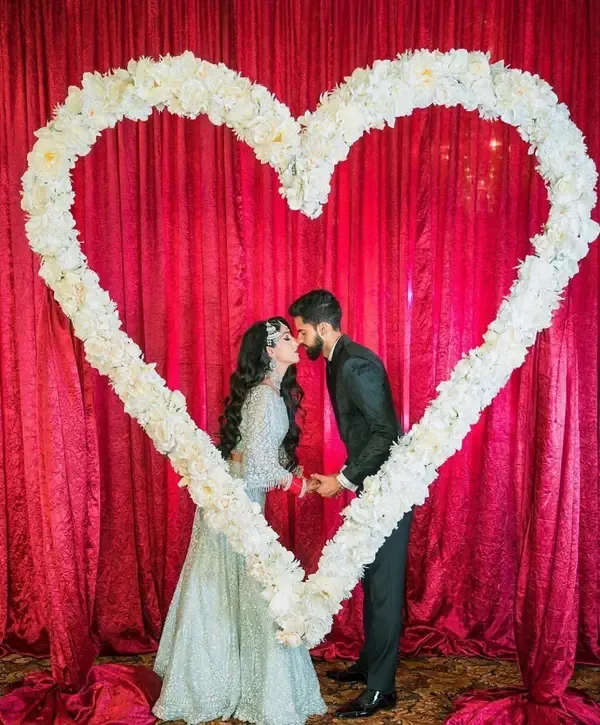
Fatehabad is all about honesty. There's a strong sun and hard work. The Jat families here know what they want and say it plainly—like, no beating around the bush. If you ask a Fatehabad Jat family about their marriage plans, you'll get quick, straight answers, unlike the long-winded explanations you'd hear in Delhi. It’s not something rude; it’s just their way of showing respect—in being direct and serious about what matters.
This place focuses on agriculture—wheat, cotton, mustard—and there’s plenty of sugarcane too. You’ll find the Jats owning this land; they’re really the backbone of farming here. They manage to keep their farms running, send their kids off to IITs or even into the army, and then return when it’s time for harvests. Their views on marriage are influenced by their farming roots but also reflect their modern ambitions where they want the best for their families.
The Fatehabad Jat Identity: Land, Army, and Haryana Pride
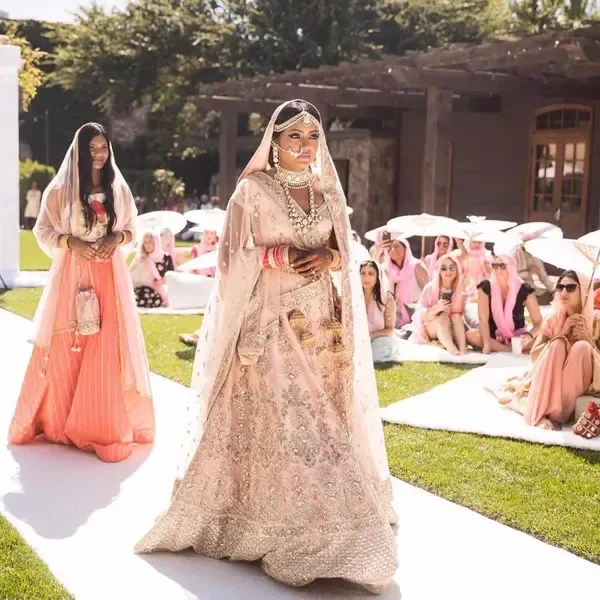
The army plays a big role in the lives of the Fatehabadi Jats. This military pride runs really deep here. When one of their sons serves in the army, the whole family sees it as a badge of honor—much better than any office job out there. Soldiers get loads of respect—they're often seen as preferred grooms when family members are looking to marry.
Owning land matters a lot too. Asking about land size is pretty common—you don't have to dance around it like you might have to do in Delhi. To them, having land means security and holding onto tradition—it acts as support during tough times for families. Those who don’t own land can face judgment—even if they've got good jobs; it's owning that land that stands out for getting respect.
Wedding Traditions in Fatehabad's Jat Community
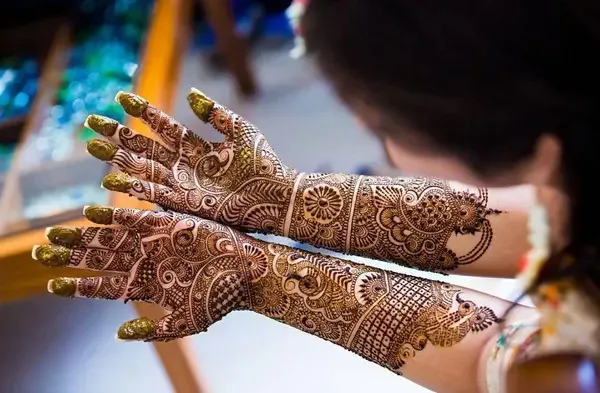
Weddings among Haryana Jats are colorful events that last three to four days—it really turns into a big celebration. Instead of closing themselves indoors, they like to celebrate outdoors—in courtyards or open fields—just how they enjoy it most. Their traditions show off their lively Haryanvi culture:
- Chunni Chadhai: This tradition signifies agreement when the groom gifts the bride a beautiful red dupatta (chunni), marking the start of their new bond together.
- Haryanvi Saang and Ragni: Traditional performances like saang (theater) and ragni (songs) play a vital role at weddings—they often last late into the night with everyone joining in.
- Dahi-Shakkar Welcome: This is all about welcoming the groom with curd and sugar—a sweet way to start off all celebrations happening.
- Pheras and Community Feast: After circling around the sacred fire seven times, there's this huge feast that brings entire villages together—the sheer size reflects both status and generosity within communities.
Matrimonial Expectations in Fatehabad
Fatehabadi Jats prefer marrying within their community—ideally looking for other Haryana Jats—but they'll also consider families from western UP or Rajasthan. Key things they're after include men having army or government jobs, owning land for solid assets, plus brides who are educated enough and can easily adapt into Haryanvi ways. Her ability to navigate farm life—like managing substantial households during busy harvest times—is just as important as her educational background.
Then there’s what they call the "saheli test," which is pretty crucial—how well she fits in with local women can really sway opinions here. In this close-knit community, missing that connection with womenfolk means it might not be a great cultural match no matter what her other traits may be.
Fatehabad - Location Map
Explore the area and discover matrimony profiles near Fatehabad.
Jat Matrimony FAQs
Why is being in the army so highly regarded for marriage in Fatehabad's Jat community?
The Jats in Haryana have a strong military history, and the Jat Regiment is one of India's top ones. Being in the army means honor, discipline, stable income, and serving the country, which are really important to families in Fatehabad. That's why soldiers make such popular marriage choices.
How do they talk about land ownership in Fatehabad Jat marriage talks?
They bring up land ownership straight up, no shyness. It’s like sharing basic facts because it’s important. Usually, both families lay out details about their land at their first real sit-down. It's seen as a way to gauge the family's stability and ties.
What's Haryanvi Ragni and how's it used in weddings in Fatehabad?
Ragni is a type of folk music from Haryana that's big at weddings—think of it like a music back-and-forth that's either funny or sweet. People hire pro ragni singers for the wedding party, and they can sing all night. It's a unique tradition that folks from Haryana hold dear.
How do gotra and khap work in Fatehabad Jat matrimony?
Marriages within the same gotra are just not allowed. The khap system in Haryana is pretty firm on these rules, keeping community practices around gotra and village exogamy in place. Lots of khaps also say no to marrying someone from the same village, no matter if their gotras are different.
Do Fatehabad Jat families consider matches from outside Haryana?
They do, especially from western UP and Rajasthan's Jat areas. There’s a common cultural bond among Jats across those regions. But for daughters, families in Haryana often lean towards local matches because of the familiar lifestyle fit.
Find Jat Hindu Matches
Jat Matches Across Top Cities
Discover where Jat brides and grooms are most active so your matchmaking search stays focused and practical.
All cities include verified active profiles updated regularly.
 App Store
 Play Store
