Jat Hindu Matrimony Profiles in Agra
Showing 2+ verified profiles · Hindu · Jat · Agra
Explore Jat Hindu Matrimony Profiles in Agra in Agra with 2+ verified profiles on Corishta. From community filters to profile details, this page is built for serious matchmaking conversations.
Top Religions in Agra
City-focused religion hubs connected through published SEO pages.

Jat Matrimony in Agra: Find Your Perfect Match
Jat Matrimony in Agra: Between Yamuna Banks and Urban Ambition
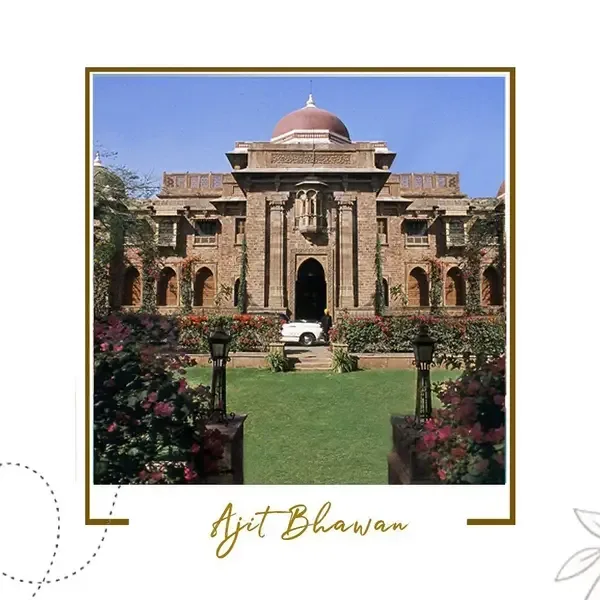
In Agra, the Jat community plays a unique role in the local social scene. They aren’t as dominant as Jats in western UP, who are key farmers there, but they’re still proud of their identity. Many Jat families in Agra can trace back their roots to areas like Mathura and Firozabad, where generations relied on farming black soil. A lot came to Agra for work or education. The local mix of tourism, marble trade, and new industries has shaped their views on marriage differently than Jats from rural areas nearby.
For Agra Jats, pride runs deep—pride in their heritage, physical strength, hard work, and land. Even urban families feel a connection to their agricultural roots. A good match isn't just about status. It’s about finding someone who understands what it means to be part of a community that has endured so much while holding onto its culture and beliefs.
Agra's Jat Community: The Urban-Rural Bridge

Agra is kind of a mix for the Jat identity. These folks balance city jobs—like government roles and working in tourism—with ties to farming areas. Family ties to places like Mathura still matter a lot. This blend shapes what they look for in partners—someone who gets city life but also holds onto those traditional values.
The Yamuna River is key to Jat culture here. It sets the stage for celebrations like Chhath Puja when communities gather by the banks. Families often get to know potential matches through these events before even talking matrimony.
Wedding Traditions of the Jat Community in Agra
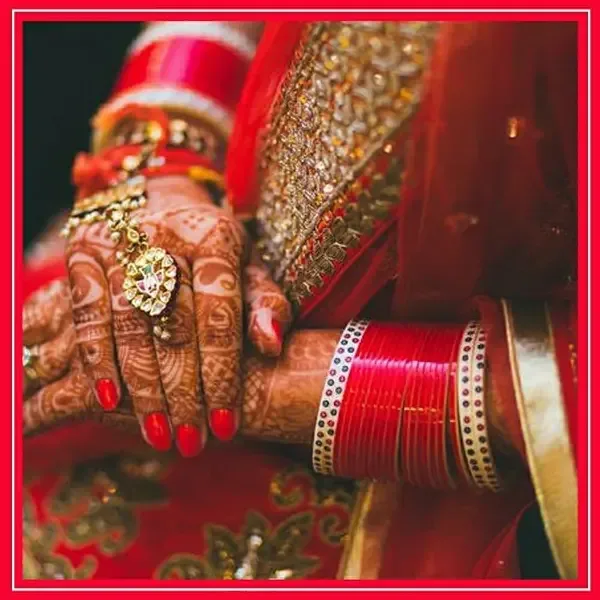
Weddings in Agra's Jat community reflect their straightforward style—grand yet simple, focused on bringing everyone together:
- Sagai and Tilak: Engagements are held at the bride’s place with the whole community involved. Usually done in the mohalla or rented hall nearby, elder women take part significantly.
- Baraat with Ghodi: The groom shows up on horseback or a decorated ride followed by a lively band and male friends. Agra baraats are known for their energy—it’s how they celebrate.
- Milni Ceremony: Male relatives of both families meet up formally—a nice ritual where they embrace and exchange gifts, symbolizing family connections.
- Pheras and Kanyadaan: Seven rounds around the fire mark this moment; kanyadaan from the dad is really special here and taken sincerely by families.
What Agra Jat Families Seek
Families want matches that balance traditional values with urban skills. For sons, brides should come from grounded Jat families with solid backgrounds; education is key along with being able to manage both urban life and community traditions. For daughters, grooms should be employed—government jobs remain highly valued while private work is becoming accepted more.
Health matters too—families are clear about checking health history before any serious talk. Girls need to visit ancestral homes during festivals; guys must show they're ready for responsibilities that come with being part of this community life.
Agra - Location Map
Explore the area and discover matrimony profiles near Agra.
Jat Matrimony FAQs
How is being a Jat in Agra different from being one in rural western UP?
Agra Jats have adapted to city life but still keep their community ties. Unlike the rural western UP Jats who focus mainly on farming, Agra Jats have jobs across government service, trade, and industry. They still keep strong connections to their ancestral villages in Mathura, Etah, and Mainpuri districts.
What's the Milni ceremony about in Agra Jat weddings?
The Milni is where the matching male family members from both sides meet, hug, and exchange garlands and gifts. It's more than just two people coming together—it's about two families uniting. In Agra Jat weddings, folks take this part pretty seriously.
Do Agra Jat families accept matches from Rajasthan or Haryana Jat families?
Matchups from Rajasthan and Haryana are totally fine with Agra Jat households. The Jat community across those areas shares a lot of cultural similarities, so the state lines don't really matter.
Do Agra Jat families prefer matches with government jobs?
Yep, government jobs are super valued in Agra Jat families. Whether it’s the police, army, or teaching, these jobs offer security and social status that fit well with their values of stability and community service.
How do Agra Jat families keep in touch with their village roots when it comes to matrimony?
Even though they might live in cities, Agra Jat families stay connected to their villages by visiting during festivals, owning land there, and having older family members who still live in those ancestral homes. They also check out the potential match's standing in their village as part of the marriage process.
Find Jat Hindu Matches
Browse Jat Matrimony by Cities
Use these city pages to compare Jat matrimony matches and connect with families seeking serious marriage alliances.
All cities include verified active profiles updated regularly.
 App Store
 Play Store
