Dhobi Hindu Matrimony Profiles
Showing 8+ verified profiles · Hindu · Dhobi
Corishta brings together 8+ verified options for Dhobi Hindu Matrimony Profiles. Whether families are browsing by community, city, or marriage intent, this section supports focused partner discovery.
🔒 View More Profiles
Register free to see full profiles, contact details, and photos.
- or -
Dhobi Matrimony Bihar – Labor Pride, Urban Resilience, New Beginnings
The Dignity That Hard Work Builds
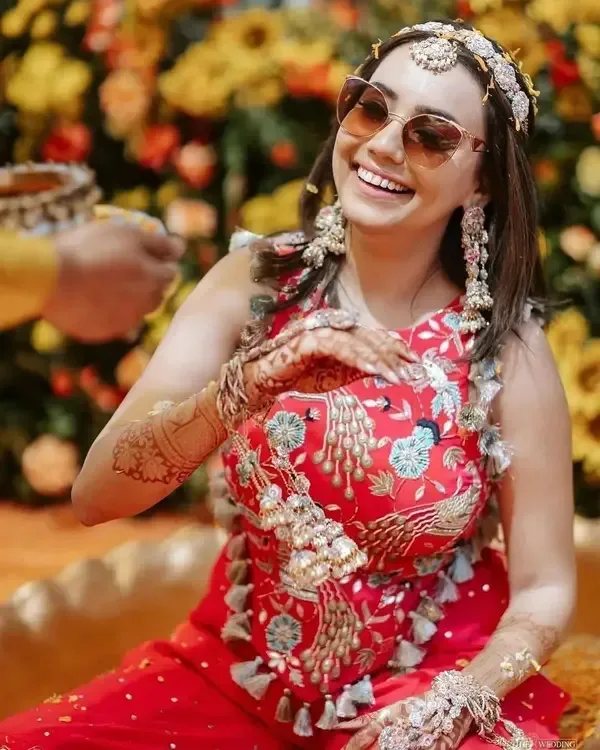
There is an honesty to the Dhobi community's story that deserves to be told plainly and with pride. For generations, the Dhobi families of Bihar provided an essential service that held the fabric of social life together literally. The washing, bleaching, and pressing of cloth; the maintenance of a cleanliness standard for households, hospitals, hotels, and religious institutions; the careful handling of other people's most intimate possessions this is labor that requires skill, reliability, and an exacting attention to quality that many so-called higher-skilled professions cannot match.
In Bihar's towns and cities Patna, Gaya, Bhagalpur, Muzaffarpur Dhobi families have maintained their service networks across generations while simultaneously navigating the complex social pressures of a community seeking upward mobility in a rapidly changing economy. The younger generation of Dhobi community members is increasingly urban, educated, and employed outside the traditional occupation. But the values that sustained the community diligence, honesty, reliable service, and strong family ties remain very much alive.
Community Identity and Matrimonial Traditions
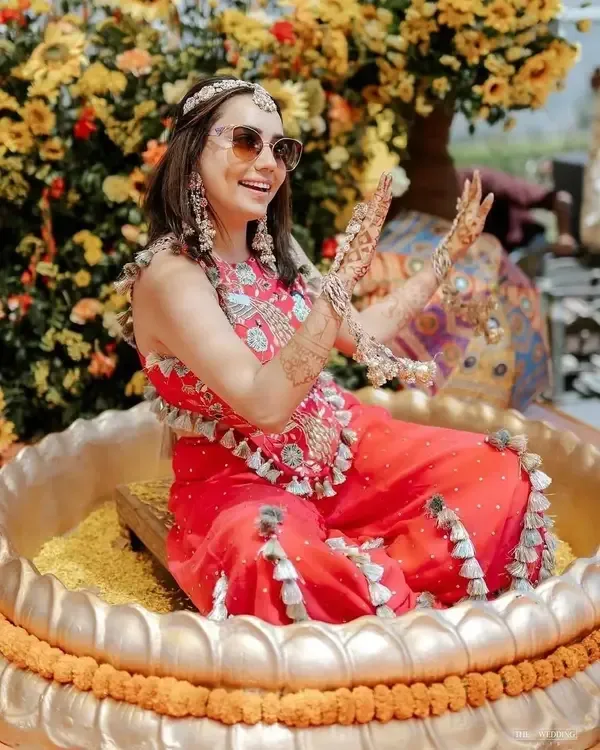
The Dhobi community in Bihar is organized through jati networks that connect families across districts and maintain social norms around marriage. The community recognizes exogamous clans, and matrimonial searches typically begin through these clan networks, activated by community elders or family intermediaries who know multiple families' backgrounds.
Community gatherings at local temples, during Chhath Puja preparations (the most important festival in Bihar's social calendar), at regional Dhobi Samaj meetings are the traditional spaces where matrimonial conversations begin. A respected community elder who knows both families is the ideal matrimonial intermediary; their word carries weight that no platform profile can fully replace. Yet online matrimonial searches have become an important supplement, especially for urban Dhobi families who have moved to Patna or Delhi for employment and find their immediate community network reduced.
The Urban Transition and Its Matrimonial Implications
One of the most significant realities in contemporary Dhobi matrimony in Bihar is the urban migration story. Many Dhobi families have moved to cities over the past two to three generations, transitioning from traditional laundry work to government employment, private service jobs, skilled trade work, and in increasing numbers, into professional and white-collar careers. First-generation graduates from Dhobi families are now pursuing engineering, nursing, teaching, and commerce degrees in significant numbers.
This transition creates a matrimonial search environment that reflects real ambitions and real constraints. A Dhobi family with a son who has a government job wants a match that recognizes this achievement. A family with a daughter who has completed a nursing degree expects the groom's family to value her education, not reduce her to her caste background. The matrimonial search in this community is, increasingly, a negotiation between traditional social expectations and the legitimate aspirations of a community on the move.
Chhath Puja and Community Life
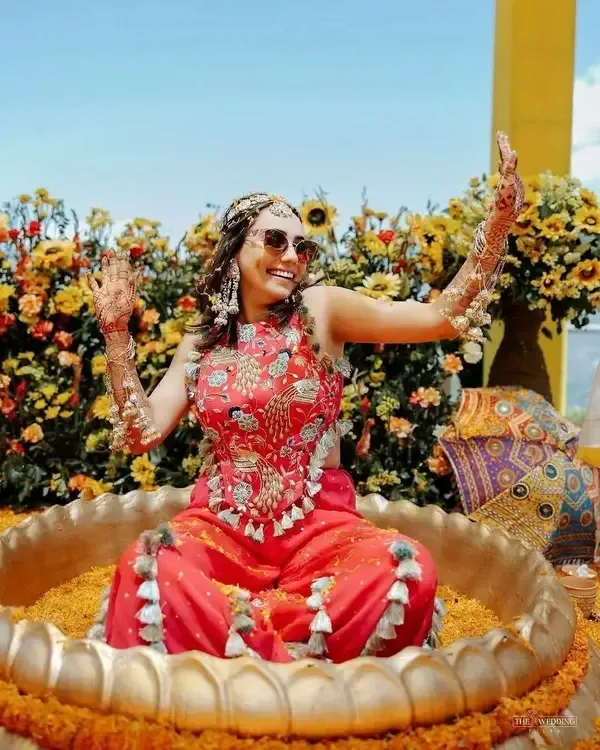
No understanding of Bihari Dhobi culture is complete without understanding Chhath. This sun-worship festival observed with a fasting rigor that is famous across North India is the emotional and spiritual centrepiece of the community's annual calendar. Families gather at riverbanks before dawn, offerings prepared with precision, standing in cold water to offer arghya (water offering) to the rising sun. Chhath is not just a festival; it is a community-wide expression of devotion, discipline, and collective faith that brings together people across caste lines and reinforces the deep Bihari cultural identity shared by Dhobi families alongside their neighbors.
A prospective match's participation in Chhath, their respect for its discipline and community significance, is often quietly noted in Dhobi family matrimonial conversations. It is a marker of genuine rootedness in the culture, not merely nominal affiliation.
What Dhobi Families Seek Today
- Educational achievement especially government employment, degrees, professional certifications
- Character and family reputation within the community network
- Respect for the community's heritage while supporting upward mobility
- Participation in community festivals, especially Chhath
- Clan exogamy compliance (standard across Bihari communities)
- Honest, hardworking family background the community recognizes its own
Your Matrimonial Search, With the Dignity You Deserve
The Dhobi community of Bihar has always known that dignity is earned, not inherited. The families on this platform carry that understanding they are searching for partners who will honor both the journey their families have made and the future they are determined to build. Whether you are in Patna, in Delhi, in the diaspora, or in a small town beginning the search you belong here, and your search matters.
Dhobi Matrimony FAQs
How is the Dhobi community matrimonial search typically conducted in Bihar?
Matrimonial searches are typically initiated through community jati networks, family intermediaries, and samaj gatherings. Community elders with knowledge of multiple families' backgrounds play a key role. Online matrimonial platforms supplement these networks, especially for urban-migrated families.
Is it acceptable for Dhobi families to seek matches from other OBC communities in Bihar?
This varies by family. Many traditional families prefer within-community matches. More progressive families may consider allied communities provided cultural compatibility, community respect, and shared values align. Educational and professional achievement increasingly influence these decisions.
What is the significance of Chhath Puja in Dhobi community life?
Chhath is the central festival of Bihari cultural identity, observed with great seriousness across communities including Dhobi families. Participation in Chhath rituals is seen as a marker of genuine cultural rootedness, and a prospective match's respect for this tradition is quietly noted in matrimonial evaluations.
How are young Dhobi professionals navigating caste-related matrimonial challenges?
Young educated Dhobi professionals increasingly seek matches based on professional compatibility and shared values, while maintaining respect for community traditions. Families are learning to articulate their sons' and daughters' achievements confidently, recognizing that educational and professional credentials change matrimonial dynamics.
What role do Dhobi Samaj organizations play in matrimonial connections?
Dhobi Samaj organizations at district and state level organize annual gatherings, cultural events, and increasingly, formal matrimonial meets. They maintain community registers and provide a trusted, community-vetted platform for family introductions.
Top States for Dhobi Matrimony Matches: top Indian states
Use this distribution to compare Dhobi profile availability across regions and prioritize states with better response and compatibility potential.
No state-level distribution available yet.
Find Dhobi Hindu Matches
Find Dhobi Brides & Grooms in Major Cities
Explore city-wise matchmaking options for Dhobi to shortlist compatible profiles for marriage in active local hubs.
All cities include verified active profiles updated regularly.