Brahmin Kokanastha Matrimony Profiles
Showing 5+ verified profiles · Brahmin Kokanastha
Brahmin Kokanastha Matrimony Profiles on Corishta features 5+ verified profiles. This page helps families compare background, community preferences, and marriage intent before taking the next step.
🔒 View More Profiles
Register free to see full profiles, contact details, and photos.
- or -
Brahmin Kokanastha Matrimony – The Konkan Mind and the Vedic Heart
Coastal Intellectuals, Lifelong Learners
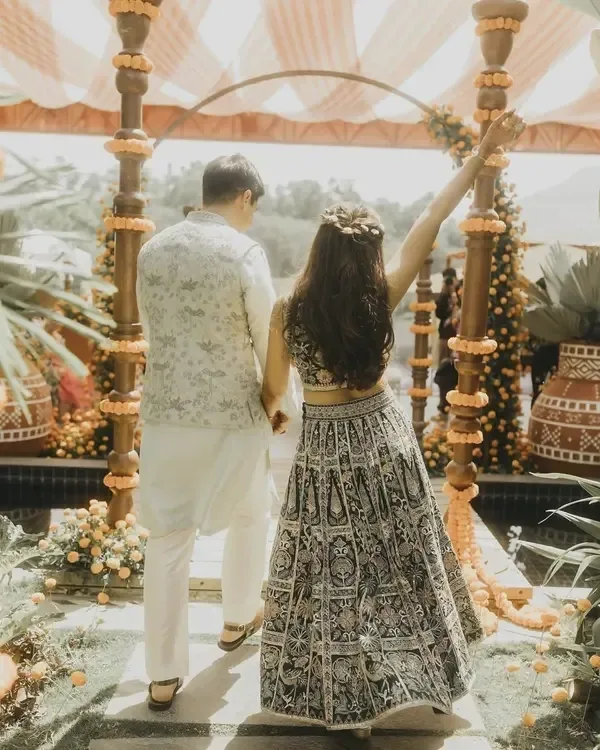
The Chitpavan Brahmin the Kokanastha emerged from the Konkan coast, a narrow strip between the Western Ghats and the Arabian Sea, where the air smells of salt and mango, and where the sound of the ocean has for centuries been the backdrop to scholarship and ritual. This coastal origin shaped a community that is at once grounded and expansive: intellectually restless, culturally precise, and emotionally deep in ways that do not announce themselves loudly but make themselves felt over time.
Historically associated with the Peshwa administration of the Maratha Empire, the Kokanastha Brahmin community has produced some of Maharashtra's most significant intellectual, political, and artistic figures from Lokmanya Bal Gangadhar Tilak to the mathematicians and scholars who populated Pune's academic institutions. This is a community in which intellectual achievement is not merely admired; it is expected as a baseline.
Community Identity and the Chitpavan Heritage
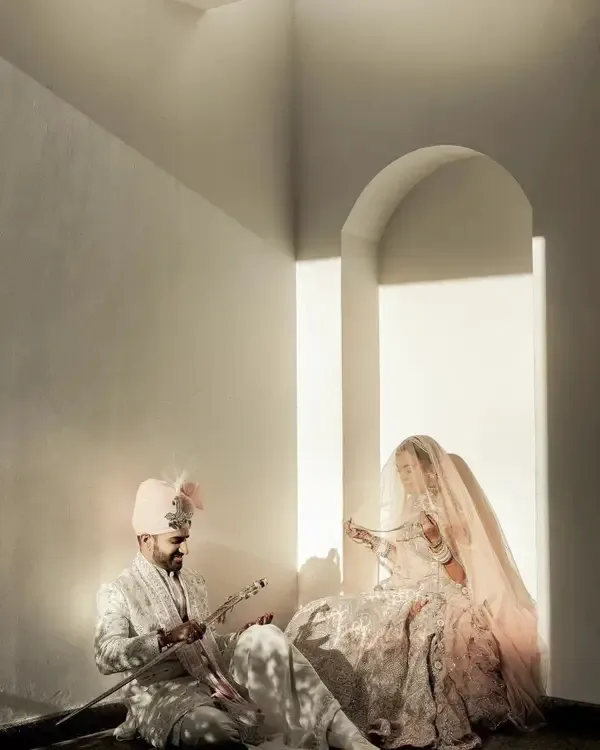
The Chitpavan Brahmin (Kokanastha) community is distinct from other Maharashtrian Brahmin sub-groups in several important ways: their Sanskrit ritual traditions carry specific variations in chant and ceremony, their dietary practices include a greater tolerance for seafood (particularly in coastal families) than inland Brahmin communities, and their cultural aesthetic runs toward precision in language, in ritual, and in argument.
Kokanastha families maintain a strong connection to their ancestral villages (wadi or gavkari) in the Konkan belt Ratnagiri, Sindhudurg, and coastal Raigad. Even families settled in Pune, Mumbai, or abroad for three generations can typically name the specific coastal village their family descends from, and many return for the summer mango season as a cultural pilgrimage.
Marriage in a Kokanastha Household

A Kokanastha wedding is conducted with Vedic precision and Konkani warmth. The ceremonies follow the full complement of Brahmin rites Sakhar Puda (engagement), Haldi (turmeric), Saptapadi but within each of these, the Chitpavan tradition adds its own textural details: specific Sanskrit shlokas chanted in a particular melody, a Vedic Acharya from the family's traditional priestly lineage, and post-ceremony rituals that differ from Deshastha or Karhade practice in visible ways.
- Gotra matching Essential; the community maintains strict gotra records
- Nakshatra compatibility Astrological compatibility is taken very seriously
- Kulachar alignment Family-specific ritual customs must be compatible for household harmony
- Kuladevata The family deity and native shrine are important identity markers
What Kokanastha Families Value in a Match
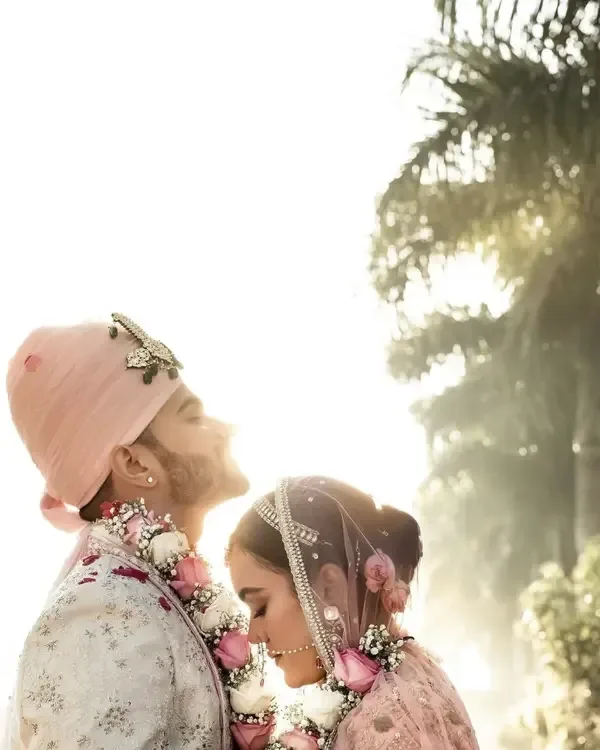
A Kokanastha family conversation about a matrimonial match will quickly turn philosophical. They want to know not just what the prospective match does, but how they think. They will ask about reading habits, opinions on current affairs, and what the person's parents are like because in Kokanastha culture, parents are not separate from the individual; they are the blueprint.
- Academic excellence postgraduate degrees in academic, scientific, or legal fields are held in the highest esteem
- Intellectual curiosity a person who stops learning is a person who stops growing
- Ritual observance not performative religiosity, but consistent, thoughtful participation in family worship and ceremony
- Emotional restraint combined with depth the Kokanastha temperament prizes emotional intelligence over emotional display
- Connection to Konkan heritage even if urban, a thread of coastal identity must remain
The Kokanastha in the Global Knowledge Economy
Today's Kokanastha professional is as likely to be at a research university in the United States as in a Pune laboratory or a Mumbai court. The community's intellectual tradition has translated seamlessly into the knowledge economy and its matrimonial expectations have evolved accordingly. The ideal match is a fellow traveler in a life of the mind: someone who reads, questions, and builds something of lasting value. Our platform serves these families with the seriousness their search deserves.
Brahmin Kokanastha Matrimony FAQs
What is the difference between Kokanastha and other Maharashtrian Brahmin sub-groups in matrimony?
Kokanastha (Chitpavan) Brahmins have distinct Vedic chant traditions, ritual customs (kulachar), and dietary practices that differ from Deshastha, Karhade, and Saraswat Brahmin communities. In matrimony, these distinctions mean that ritual compatibility requires specific verification — two Maharashtrian Brahmin families are not automatically compatible simply because both are Brahmin.
How important is the Konkan village connection in Kokanastha matrimonial identity?
The ancestral village (gavkari) is an important identity marker in Kokanastha matrimony — families typically know and share their native Konkan village as part of their introduction. Some traditional families prefer matches from the same or nearby coastal village cluster, where community networks are shared.
What is kulachar and why does it matter in Kokanastha matrimonial compatibility?
Kulachar refers to the family-specific ritual customs, worship practices, and ceremonial protocols that vary between Kokanastha families even within the same gotra. For household harmony, kulachar compatibility is assessed to ensure the new bride can comfortably participate in the family's ritual life without significant conflict.
Are Kokanastha families open to inter-Brahmin matches?
Kokanastha families in urban and professional settings are increasingly open to matches with other Brahmin sub-communities, particularly those with similar intellectual and ritual orientations. However, traditional families retain a preference for Chitpavan matches, and when crossing sub-communities, detailed ritual compatibility is assessed.
What kind of family atmosphere do Kokanastha families typically create in matrimonial evaluations?
Kokanastha family meetings for matrimonial purposes tend to be thoughtful and conversational rather than formally structured. Questions are probing but courteous — covering education, professional philosophy, reading habits, and cultural orientation. Intellectual depth and articulate self-expression are evaluated as positively as educational credentials.
Top States for Brahmin Kokanastha Matrimony Matches: top Indian states
With 5 profiles spread across major states, this map-style listing helps identify where Brahmin Kokanastha matchmaking opportunities are most practical.
No state-level distribution available yet.
Brahmin Kokanastha Matches Across Top Cities
Discover where Brahmin Kokanastha brides and grooms are most active so your matchmaking search stays focused and practical.
All cities include verified active profiles updated regularly.