Delhi Brahmin Hindibhashi Matrimony Profiles
Showing 3+ verified profiles · Brahmin Hindibhashi · Delhi · Delhi
Corishta brings together 3+ verified options for Delhi Brahmin Hindibhashi Matrimony Profiles in Delhi. Whether families are browsing by community, city, or marriage intent, this section supports focused partner discovery.
Top Religions in Delhi
City-focused religion hubs connected through published SEO pages.



Delhi: Brahmin HindiBhashi Matrimony – Blend of Tradition & Modernity
The Brahmin Who Belongs to the Language Itself

Brahmin families speaking Hindi in Delhi sit at a unique spot. They're connected to India’s national language and have one of the oldest intellectual heritages. The Brahmin HindiBhashi identity is more than a label; it’s a belief that language, education, and family add richness to life.
This group shapes Delhi's admin, education, and cultural scene. Think families involved in government since independence or educators at Delhi University. Journalists sway public discourse while civil servants keep things on track. You can’t miss what the Brahmin HindiBhashi contribute to the city's intellect.
Identity, Language, and the Marriage Question
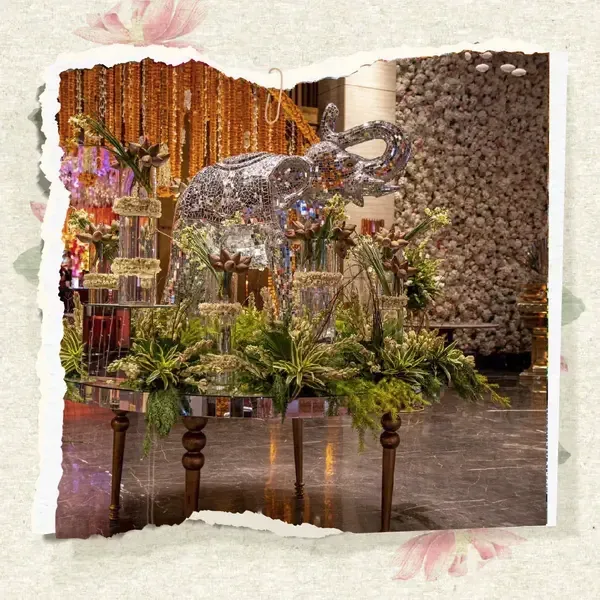
For these families in Delhi, finding a marriage partner means wanting someone who appreciates their faith and gets Hindi's beauty, its literature, and culture. It's not about exclusiveness; many educated folks also know English or even Sanskrit. They work around India. But their home needs to reflect Hindi in daily life.
Imagine a shelf with Premchand beside Tagore or Sarawati above the family temple with a mom quoting Tulsidas perfectly from memory. This isn’t just decoration; it’s how life genuinely flows. Any match needs this understanding.
The Arranged Marriage Process: Thorough but Warm
The wedding process is pretty direct. First? Families check their kundali. Then there's gotra matching. They evaluate social connections too. Credentials are looked into as well. If everything checks out, they set up a meeting.
These meetings take place over chai and snacks in cozy living rooms for about two hours of chatting. Parents kick off discussions openly. Towards the end, there's a moment for the younger folks to chat privately for a bit. Afterward, both sides think: was there warmth? Did it click? Those vibes matter more than lists.
The Professional Landscape of Brahmin HindiBhashi Delhi
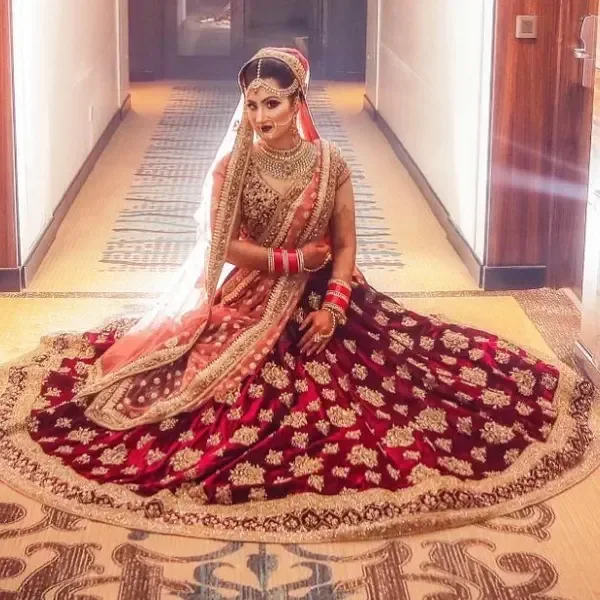
Today's young Brahmin HindiBhashis do well across many jobs. Civil services are popular here with many IAS and IPS aspirants. Lots get into teaching or journalism too... Even tech holds many from IITs and IIMs.
If you're matchmaking here, respect their cultural roots and career goals as well. The best match should be someone's who's intellectually curious—reads and thinks critically—while juggling traditional values with modern ideas.
Festivals and the Cultural Calendar
Brahmin HindiBhashi homes embrace a rich religious calendar: early morning Sandhya Vandana to Navratri fasts, local pooja alongside major festivals bringing family from all over India together. A partner has to see this framework as something special instead of overwhelming.
- Brahmin HindiBhashi matrimony profiles in Delhi and NCR
- Gotra and kundali matching support
- Connections to Hindi-speaking Brahmin families across India
- Compatibility filters for academic, civil service, and corporate profiles
- Cultural emphasis on language and learning heritage
A Brahmin HindiBhashi marriage joins two families where prayers happen in the same language and stories matter in both homes squaring balance between old values and new ideas.
Delhi - Location Map
Explore the area and discover matrimony profiles near Delhi.
Delhi Matrimony FAQs
Who are the Brahmin HindiBhashi community?
The Brahmin HindiBhashi are basically Hindi-speaking Brahmins from places like Uttar Pradesh, Madhya Pradesh, Rajasthan, and Delhi. They have a shared cultural and linguistic background tied to the Brahmin traditions of the Hindi belt.
Which jobs are typically most respected in Brahmin HindiBhashi marriages in Delhi?
Civil services, teaching, law, and medicine usually get the most respect. However, IT and business are becoming more popular with the younger crowd.
Do you have to match gotras in this community?
Yep, matching gotras is super important. Marriages between people with the same gotra, or even sometimes the same maternal gotra, aren't allowed.
Are Brahmin HindiBhashi families in Delhi willing to consider matches from other places?
A lot of families still have ties to their roots in UP or MP, so they are open to matches from those communities.
How does the family pandit help with marriage decisions?
The family pandit usually helps with matching kundalis, picking good dates, and sometimes introducing people in the community.
Delhi Matches Across Top Cities
Discover where Delhi brides and grooms are most active so your matchmaking search stays focused and practical.
All cities include verified active profiles updated regularly.
 App Store
 Play Store
