Delhi Punjabi Matrimony Profiles
Showing 24+ verified profiles · Punjabi · Delhi · Delhi
Find Delhi Punjabi Matrimony Profiles in Delhi through 24+ verified profiles on Corishta. The listing is designed to make shortlisting easier for families looking for compatible and genuine matrimony matches.
Top Religions in Delhi
City-focused religion hubs connected through published SEO pages.


🔒 View More Profiles
Register free to see full profiles, contact details, and photos.
- or -




Perfect Punjabi Match in Delhi – Find Yours Now
Delhi – Where Every Punjabi Family Carries Punjab in Their Heart and the City in Their Bones
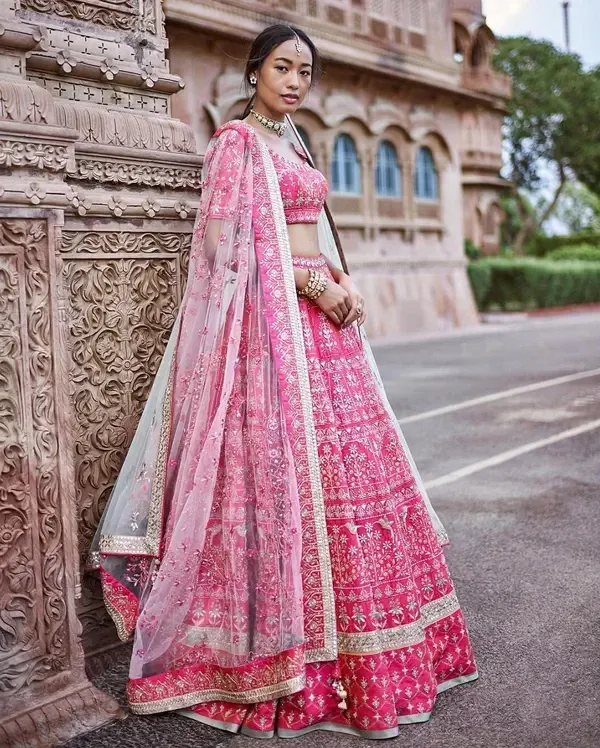
Delhi's full of Punjabi life. You can smell makki di roti in South Extension, hear dholki beats in Janakpuri, and spot wedding baraats blocking Rohini’s roads late at night. The Punjabi community settled here after Partition, built their lives, and shaped the city's culture. For them, marriage is a big deal; it matters for everyone involved.
Punjabi Community in Delhi – The Original Resilience Story

Punjabis came after Partition with little but started businesses in places like Lajpat Nagar and Karol Bagh. That taught them to adapt, be entrepreneurial, and expressive. A Punjabi wedding means major celebrations with plenty of functions; they don't hold back.
There's a mix of sub-communities—like Khatri, Arora, Jat Sikh—each adding their own vibe to marriages. An Arora family from Pitampura feels different from a Jat Sikh family from Paschim Vihar, even if their roots are the same.
Punjabi Wedding Traditions in Delhi's Urban Context
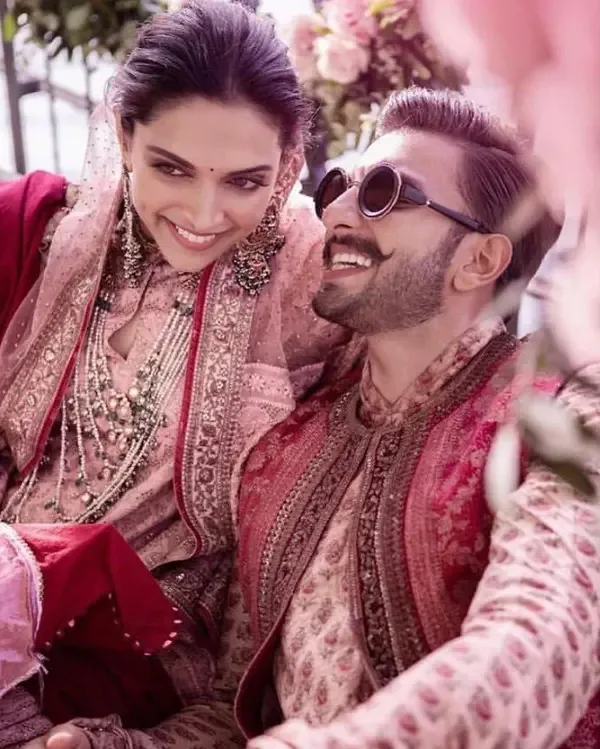
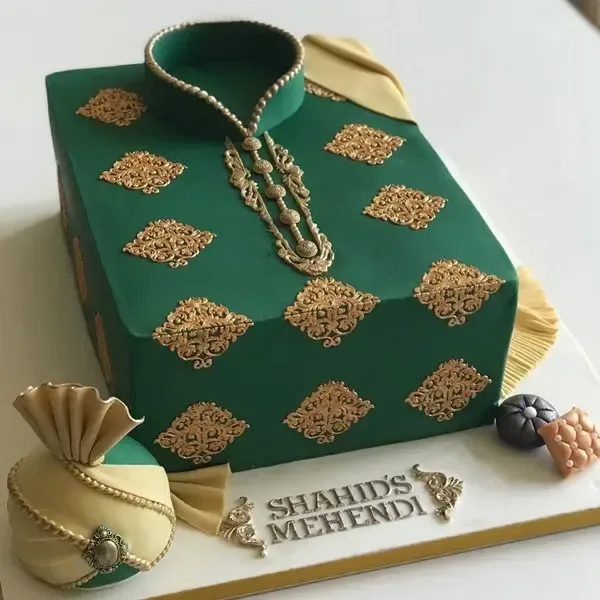
Weddings here are grand but keep their emotional core. It all starts with Roka at home, flowing into Mehendi night DJed from Punjabi Bagh. During the Chooda ceremony at dawn, you’ll see the bride’s uncle putting on her bangles—captured moments that feel real.
- Roka is a formal agreement with sweets and dry fruits
- Chunni Chadhai covers the bride by the groom's side
- Mehendi and Sangeet often spread over two days now
- Anand Karaj (Sikh) or Vedic ceremonies mixed with Punjabi customs
- Milni matches up elder names with garlands and gifts
- Bidaai is the big emotional close of weddings
The Punjabi Marriage Market in Delhi – Where Networks Run Deep
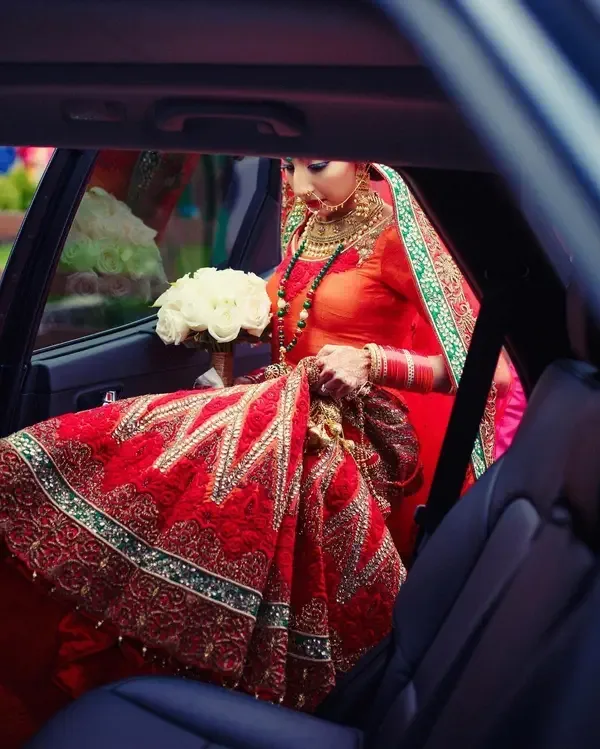
Punjabi marriage networks span India. A girl from a Delhi Arora family could connect with families from Ludhiana, an NRI circle in Birmingham or someone right here in Dwarka—lots use WhatsApp for quick biodata sharing. Many matrimonial sites let searches happen by gotras, languages, and jobs.
First meetups often take place at cafes or banquet halls on Sunday afternoons—not too casual but not too serious either. Families want to see personality—Delhi Punjabis generally like women who speak up—while girls check if boys are mature, not just stable jobs.
What Delhi Punjabi Families Look for in a Match
Business sense matters? Yeah. Delhi Punjabis value both professional achievement and business skills. A Khatri businessman from Chandni Chowk or an IIT-Delhi grad from Rohini can fit well but come from different circles. Women ideally juggle careers and home—but real family culture counts most. How do they carry themselves? Are they warm? Can they enjoy?
- Business families tend to team up with other business families for better connections
- Gotra matching is crucial for marriage
- Fluency is important: locals from Delhi and Punjab preferred
- The ability to host events carries social weight
Delhi - Location Map
Explore the area and discover matrimony profiles near Delhi.
Delhi Matrimony FAQs
What's the Milni ceremony in Delhi Punjabi weddings all about?
Milni's all about introducing male relatives on both sides who are of equal standing. They exchange garlands at the wedding venue before things really kick off. In Delhi Punjabi weddings, it's turned into quite a show with gifts, hugs, and even some dancing sometimes.
Do Punjabi families in Delhi accept intercaste marriages?
In urban parts of Delhi, more and more Punjabi families seem fine with intercaste marriages, especially in the professional or business crowd. But still, a lot of them would rather have marriages within their own community. It really depends on how liberal or traditional the family's background and social circle are.
How many people usually attend Punjabi weddings in Delhi?
Punjabi weddings in Delhi are pretty big, usually with anywhere from 400 to 1200 guests, depending on the family's status. There are different events like Mehendi, Sangeet, the wedding itself, and a reception, and each has its own guest list. Banquet halls in Delhi are set up to handle this size since it's pretty standard here.
What's the Chunni Chadhai all about in Punjabi engagements?
Chunni Chadhai is when the groom's family puts a dupatta on the bride's head. It means they're accepting her into their family. This usually happens at the Roka or engagement ceremony. The groom’s mom picks the chunni, and it often comes with some gold jewelry.
Do Delhi Punjabi families prefer matrimonial platforms or community networks for finding matches?
Most Delhi Punjabi families use both. They primarily rely on community networks through gurdwaras, community sabhas, and WhatsApp groups. Matrimonial platforms act as a backup to find matches the community network might miss, like NRI and outstation ones.
Delhi Matches Across Top Cities
Discover where Delhi brides and grooms are most active so your matchmaking search stays focused and practical.
City pages are refreshed with active profile availability for reliable matchmaking discovery.
 App Store
 Play Store
