Delhi Sikh in Delhi Matrimony Profiles
Showing 12+ verified profiles · Sikh · Delhi · Delhi
Browse 12+ verified Delhi Sikh in Delhi Matrimony Profiles on Corishta. Families exploring suitable matches in Delhi can review active profiles, shortlist preferences, and connect with genuine members.
Top Religions in Delhi
City-focused religion hubs connected through published SEO pages.
🔒 View More Profiles
Register free to see full profiles, contact details, and photos.
- or -
Sikh Matrimony in Delhi – Community First, Always
Where the Gurdwara Is the Centre of Everything
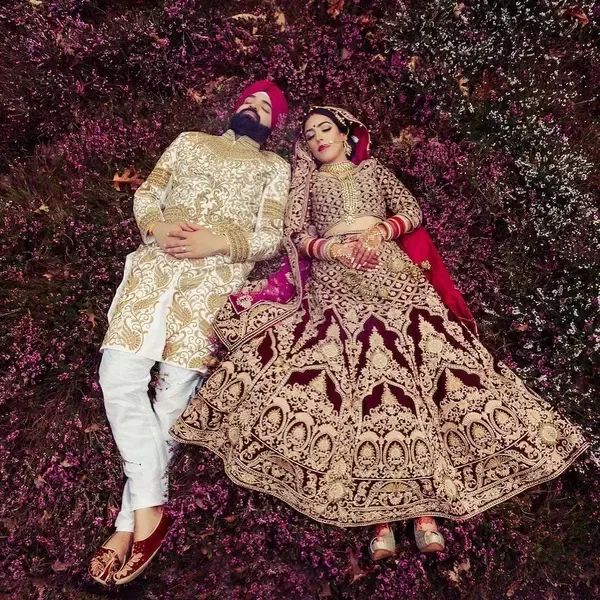
In Delhi's Sikh community, the Gurdwara is not just a place of worship it is the community's school, social hall, kitchen, and marriage register all in one. From Bangla Sahib in Connaught Place to Sis Ganj in Chandni Chowk to the hundreds of local Gurdwaras in every Sikh neighbourhood from Tilak Nagar to Paschim Vihar, the Gurdwara is where Sikh Delhi lives its most authentic life. And it is here or in connections radiating from here that most Sikh marriages in Delhi begin.
Delhi's Sikh community has a particular character shaped by the city's Partition history, its military traditions, its commercial success in areas like South Extension and Karol Bagh, and the agricultural prosperity that Punjab-rooted families brought with them. Sikh matrimony in Delhi is thus conducted with a specific combination of qualities: the generosity of community, the directness of the Punjabi character, the faith-consciousness of the Sikh tradition, and the modern ambition of a community that has done well in India's capital.
Who Are Delhi's Sikhs? Community Identity and Matrimonial Structure

Delhi's Sikh community is predominantly Jat Sikh the agrarian backbone of Punjab with significant Khatri, Arora, Ramgarhia (artisan), and Lubana communities also present. Each has its own matrimonial character: Jat Sikh families tend to be larger in number, more conservative in community preference, and deeply conscious of gotra (got) matching. Khatri and Arora families are more urban in orientation, often preferring professional qualifications above community specificity. Ramgarhia families have their own cohesive matrimonial network tied to their artisan heritage.
What all these communities share is the Sikh value system: seva (selfless service), equality of all persons before the Waheguru, and the community responsibility encoded in the concept of Sangat. A Sikh marriage is embedded in this value system from the beginning.
Anand Karaj: The Sikh Wedding Ceremony

The Anand Karaj "the ceremony of bliss" is the Sikh religious wedding ceremony conducted in the presence of the Guru Granth Sahib. The couple circumambulates the sacred text four times as the lavan (wedding hymns) are sung, each round representing a step toward spiritual union. The ceremony is conducted in the Gurdwara, in the presence of the Sangat (congregation), and is followed by ardas and the distribution of karah prasad.
- Kurmai (engagement): A formal blessing in the Gurdwara, with family prayers and gift exchange
- Milni ceremony: The ceremonial greeting of the two families at the Gurdwara entrance
- Anand Karaj: The four pheras around the Guru Granth Sahib the spiritual heart of the ceremony
- Langar: Community kitchen meal served to all guests regardless of status
- Reception: Often a separate evening event, reflecting Delhi's love of celebration
What Delhi Sikh Families Look For in a Match
The Sikh community's approach to matrimony begins with got (gotra) matching same got is excluded, and related gots are also typically excluded. This is non-negotiable in Jat Sikh families. Beyond gotra, families look for: Sikh faith practice (does the person observe Sikhi?), family reputation in the Gurdwara community, professional and educational qualifications, and character as observed through the family's social interactions.
Delhi Sikh families are comfortable with urban ambition. They want matches that combine Gurdwara-going faith with professional success, warm family orientation with personal capability. The ideal son-in-law in a Delhi Sikh family is employed in a good profession, respectful of elders, known in the Gurdwara Sangat, and capable of making his own household while staying close to the family structure.
From Gurdwara to App: The Modern Sikh Matrimonial Search
The Sikh community has adapted enthusiastically to online matrimony, and there are now platforms specifically designed for Sikh match-seeking. Delhi Sikhs use these platforms with their characteristic directness profiles are comprehensive, filters include got and religious practice, and communication is prompt. The community's openness and lack of pretension makes initial contact feel natural rather than forced.
But the Gurdwara network remains irreplaceable. An aunt who knows another family from Gurdwara in Paschim Vihar, a connection made at a Vaisakhi nagar kirtan, a family seen regularly at the same langar these organic connections carry a trust that no digital profile can fully replicate. The best Sikh matrimonial searches in Delhi use both: the platform for reach, the Gurdwara for verification.
Delhi - Location Map
Explore the area and discover matrimony profiles near Delhi.
Delhi Matrimony FAQs
What is the significance of Anand Karaj in Sikh matrimony?
Anand Karaj is the Sikh religious marriage ceremony conducted in the presence of the Guru Granth Sahib. The couple circumambulates the sacred scripture four times as wedding hymns (lavan) are sung. It is a spiritual union made in the presence of the Sangat and is the essential religious requirement for a Sikh marriage.
How important is got (gotra) matching in Delhi Sikh matrimony?
Got matching is fundamental in Jat Sikh matrimony. The same got as well as certain related gots are excluded. This is typically non-negotiable in traditional families. Families maintain knowledge of their got and can usually verify compatibility through community elders or known family connections.
Which Sikh communities are most active in Delhi matrimony?
Jat Sikh families are the largest community. Khatri, Arora, Ramgarhia, and Lubana Sikh families are also active with distinct matrimonial networks. Khatri and Arora families tend to be more flexible on community matching, while Jat Sikh families generally prefer within-community alliances.
How do Delhi Sikh families use the Gurdwara in matrimonial search?
The Gurdwara Sangat is an organic matrimonial network — families who attend the same Gurdwara know each other's reputations, observe each other's children growing up, and make introductions naturally. Community events, nagar kirtans, and Gurdwara committees are all active social spaces where matrimonial connections begin.
Are Delhi Sikh families open to matches from Punjab or other states?
Yes, very much so. Many Delhi Sikh families have roots in Punjab and maintain active matrimonial connections there. Matches from Amritsar, Ludhiana, Jalandhar, and other Punjab cities are common. The Sikh community's openness and community-first orientation transcends state boundaries.