Brahmin Hindu Matrimony Profiles
Showing 336+ verified profiles · Hindu · Brahmin
Corishta brings together 336+ verified options for Brahmin Hindu Matrimony Profiles. Whether families are browsing by community, city, or marriage intent, this section supports focused partner discovery.




🔒 View More Profiles
Register free to see full profiles, contact details, and photos.
- or -

Brahmin Matrimony India: Enriching Rituals & Sacred Unions
The Ancient Conversation Between Knowledge and Devotion
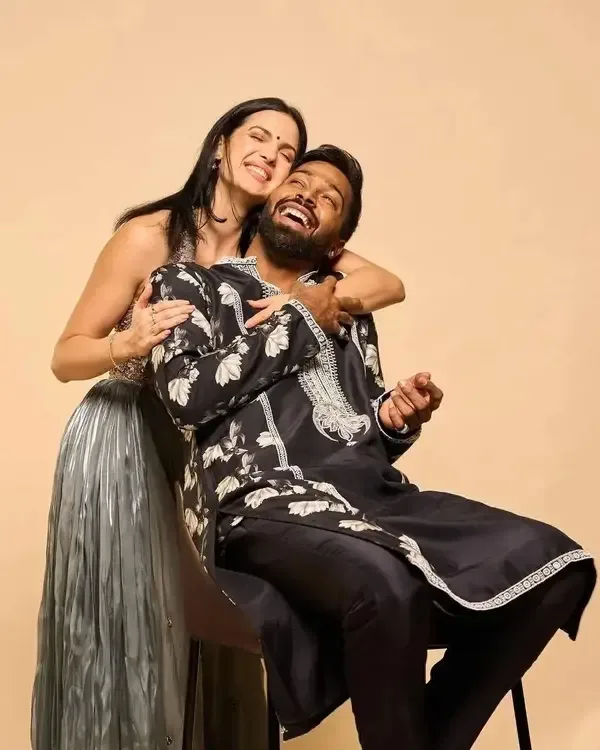
If you're born into a Brahmin family in India, you’re joining a long talk about rituals, cosmic order, and the meaning of sacred traditions. It’s really deep and keeps challenging each generation.
The Brahmin community isn’t just one group; it’s complex. You have Pancha Dravida Brahmins down South (Iyer, Iyengar, Namboodiri, Smartha, Rajaratnakara) and Pancha Gauda Brahmins from the North (Saraswat, Kanyakubja, Gaur, Maithil, Utkala), plus local sub-groups with their customs. They stick to Vedic traditions but regional influences are huge.
The Architecture of Brahmin Matrimonial Search
A Brahmin matrimonial search is tricky. Gotra, pravara, sub-caste—these details matter in traditional setups. You can’t marry within your gotra and there are rules from pravara too. Some groups even have lucky gotra pairings. Good platforms understand this stuff matters.
The Diversity of Brahmin Ritual Life
Rituals vary a lot among Brahmins by region. Take Tamil Iyer families—they kick off mornings with sandhyavandanam, Vedic prayers and making prasad for local deities. Kashmiri Pandits focus on goddess worship tied to their Shaivite roots. Maithil Brahmins in Bihar have wedding customs linked to historic Mithila. Saraswat families along the Konkan coast have different rituals than those in Uttar Pradesh or Bengal.
Modern Brahmin Life and Matrimonial Values

A lot of modern Indian Brahmins are now professionals—doctors, engineers, maybe even tech workers. Their focus on learning fits nicely with today’s job scene. Many do well academically compared to their population size; that shapes what they look for in matches.
- Gotra and pravara fit is key when picking a partner
- Cohesion within sub-communities (Iyer, Namboodiri, Saraswat) expected
- Vegetarian diet is pretty standard among Brahmins
- Having an academic/professional background is becoming common criteria now
- Kundali compatibility stays vital for most families
- Regular religious practices like puja should be followed along with ties to a purohit
- Orthodox families keep Vedic lineage alignment in mind when choosing partners
The Brahmin Matrimonial Search Today
This platform captures the pan-India reach of Brahmins—from Tamil Nadu's Iyer homes to Kashmiri Pandits; Deshastha folks in Maharashtra to Kulins in Bengal; ancient Namboodiris in Kerala versus Saraswats on the Konkan coast. It gets nuanced details—filtering by what's important like gotra or regional specifics—and lifestyle through specific matching tools designed for them. Your heritage deserves that kind of care.
Brahmin Matrimony FAQs
How are gotra and pravara different in Brahmin marriages?
Gotra is like your dad's ancestral line going back to a Vedic sage, and you can't marry within the same gotra. Pravara is a bit more specific, linking to certain sages within that gotra and is used to check for compatibility. Both matter when looking for a match in Brahmin traditions, and families usually ask the family priest to confirm these.
Do you have to match kundalis in Brahmin marriages?
Most Brahmin families in India do check kundali matching, but how much it matters can differ. Usually, they'll at least look at gotra compatibility and basic astrology. More traditional families might want all 36 gunas to match before moving ahead.
Can Brahmin families from different parts of India get along well?
Matches between Brahmin families from different regions are happening more and more, especially in cities where people move around for work. But there's a lot of difference in rituals between North and South Indian Brahmins, plus specific sub-community customs. So, it's not just about being Brahmin; there’s more to consider. Our platform's sub-community filtering feature is useful for this.
Do modern Brahmin families still insist on being vegetarian when looking for marriage partners?
Most Brahmin families expect their marriage prospects to be vegetarian. Some strict families also don't allow things like onion, garlic, or breaking certain fasting rules. Generally, families won't consider someone who eats meat or even eggs.
Which jobs are most respected in Brahmin marriage matches?
Careers like medicine, engineering, academia, law, civil service (like IAS/IPS), and tech are highly respected. Educational qualifications are a big deal due to the tradition's focus on intellectual achievements. Families with a background in teaching, scholarship, or temple service are also looked up to in traditional circles.
Where Brahmin Matrimony Matches Are Growing: Uttar Pradesh, Maharashtra, and Madhya Pradesh
Use this distribution to compare Brahmin profile availability across regions and prioritize states with better response and compatibility potential.
 App Store
 Play Store
