No two families are alike and that's what can make it tricky
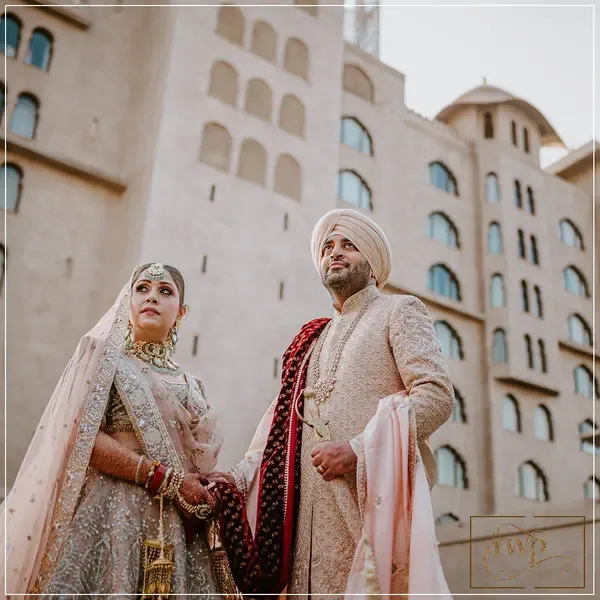
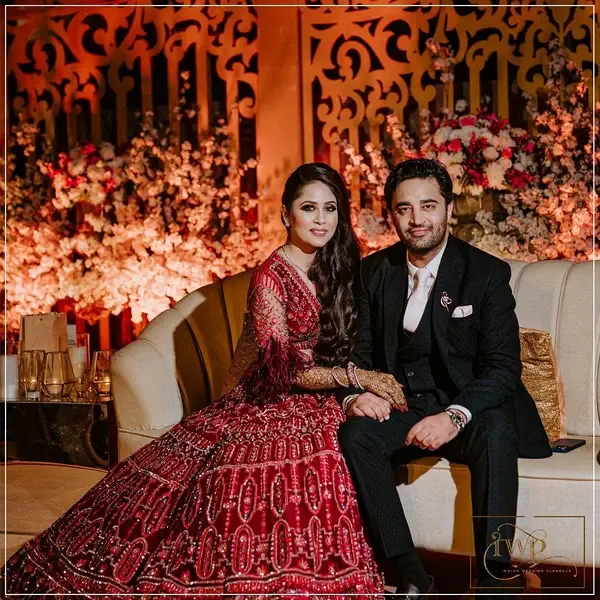
So, you might think that when two decent families come together for a wedding, it'll all go smoothly. But truth is, even if both families are great, things can get a bit tense because they've got their own ways of doing things and different ideas about what should happen.
The main takeaway here? Family differences usually aren't about who's right or wrong. It's more about having different perspectives. Everyone has their ways of showing love, handling life, and figuring out what respect looks like. Once you see that, you can deal with disagreements better – instead of fighting, it's more about finding a way through.
Focus on the couple first

When there are family disagreements, the couple has to be at the center of it. If they're on the same page with their values and what matters to them, then family issues can be handled more smoothly. But if they're pulling in different directions and siding with their families, things can quickly get messy.
That’s why having a solid talk before tying the knot is key: when our families don’t see eye to eye, how do we deal with that? Finding an answer together ahead of time really helps set up a strong foundation for marriage.
Common areas where families clash
You’ll typically see differences pop up around wedding traditions, who pays for what, living arrangements after marriage, how festivals are celebrated, how often family visits happen, and what expectations exist about grandchildren or big financial choices. It's way better to talk these things over before they turn into arguments when stress is high.
Navigating family disagreements
If tensions do arise, start by calming down before jumping into discussions. Family pride matters a lot in Indian culture. When one family feels disrespected, they’re less likely to budge. But if they feel valued and acknowledged—even while disagreeing—it opens up the chance for more flexibility.
It might help to chat with both sides individually when things get heated. Let each family voice their feelings first before trying to find common ground. If possible, present solutions as something both families agreed on instead of making it feel like one side came out winning.
When differences run deeper than preferences
Sometimes these clashes aren’t just about surface level stuff but core values. Like one family wanting the daughter-in-law to quit her job while another thinks that idea is crazy. Or having strict religious beliefs versus being more laid back. Those aren’t merely style differences; they’re rooted in deeper beliefs that need honest talks before getting hitched instead of avoiding them until later.
Couples who realize these deeper issues after saying “I do” often feel caught off guard. If they bring them up ahead of time though, they can make smarter choices and really know how they want to handle things going forward.
No family mix is ideal. But every combination can work as long as there's enough respect, compromise, and dedication to looking out for the couple's happiness from everyone involved.
 App Store
 Play Store
