








The Soil Remembers What the Heart Never Forgets

Ask a Sikh Jat elder about success, and they'll tell you it’s all about the fields. The Jat Sikh community in Punjab is rooted in farming and a strong belief in Waheguru. The wheat fields of Jat Matrimony in Amritsar, Jat Sikh Matrimony in Ludhiana, and Patiala; canal-fed lands of Majha and Malwa; tractors at dawn and langar meals at dusk—this is life for every Jat Sikh family while looking for a match.
Jat Sikhs make up a big part of the Sikh demographic. They’re around in Haryana, Delhi, Rajasthan, and globally in Canada, the UK, and Australia. But no matter where they are, values stay strong—hard work counts, land bonds identity, and family is key.
How a Jat Sikh Matrimonial Search Begins

Searching for a match in Jat Sikh culture relies on teamwork. News spreads through the biradari, gurdwara networks, akhand path events, or relatives connecting across regions. An uncle might spot someone at a wedding in Ludhiana. A mama ji could talk about a family in Patiala they know well through business ties. The granthi at the gurdwara may know an educated daughter from decent parents.
The gotra system is important for choosing partners. Gotras are like clans; marrying within isn’t done due to kinship rules. Common ones include Sandhu, Dhaliwal, Sidhu, Gill, Grewal, and Brar. You've got to know someone's gotra before jumping into any talks—a good match has to pass this check first.
The Anand Karaj: Sacred Union in the Guru's Presence
Anand Karaj is one of the most significant ceremonies. It’s held at a gurdwara with Guru Granth Sahib present and involves four lavans around scripture each led by singing Guru Ram Das's hymn. Each round signifies commitment—from duty to spiritual longing to letting go—culminating in merging souls devoted to Waheguru.
The ceremony opens with an Ardas (prayer) and closes with Anand Sahib and Hukamnama. This isn’t just an event; it's sacred for everyone present—the sangat (congregation). Tears often well up during the lavan because it’s all so meaningful.
A celebration after can be huge. There’s bhangra at receptions linked back to farming—it started as a dance celebrating harvests tied to Jats’ bond with the land. And food? Legendary: sarson da saag, makki di roti, dal makhani—it reflects families' wealth and warmth.
What Jat Sikh Families Seek in a Match
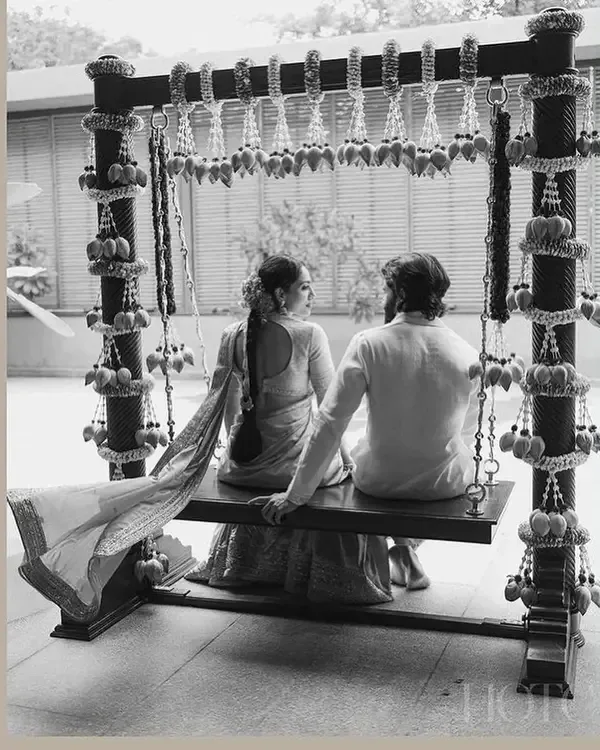
A match checklist among Jat Sikhs mirrors their core values: faith, farming roots, and strong ethics. Health’s important—seen as vital for service. Education is becoming increasingly significant now especially among city families. Job stability across farming, business or government matters too.
Good character impacts family reputation here—it carries weight. A respected family can get better matches than one with money but poor rep. The Jat Sikh community remembers; news travels quickly within this biradari.
- Gotra compatibility is essential
- Sikh values like seva, simran, and sangat should mean something
- A focus on health and active living is key
- Community standing matters greatly along with reputation
- Ties to agricultural roots or Punjabi heritage mean something special
- Education and professional achievement are increasing needs
Finding Your Jat Sikh Match
If you’re farming in Sangrur or running a shop in Brampton or starting out in Bengaluru or teaching kids in Sikh Matrimony in Amritsar, searching for a match comes down to three things: Waheguru's blessings, matching gotra preferences, plus aligning family needs at heart. Start your search here—it’s crafted for those who built Punjab.
 App Store
 Play Store
