Rajput Hindu Matrimony Profiles in Agra
Showing 2+ verified profiles · Hindu · Rajput · Agra
Find Rajput Hindu Matrimony Profiles in Agra in Agra through 2+ verified profiles on Corishta. The listing is designed to make shortlisting easier for families looking for compatible and genuine matrimony matches.
Top Religions in Agra
City-focused religion hubs connected through published SEO pages.


Agra Rajput Matrimony | Unite with Esteemed Heritage Families
In the Shadow of Monuments: Rajput Identity and Marriage in Agra
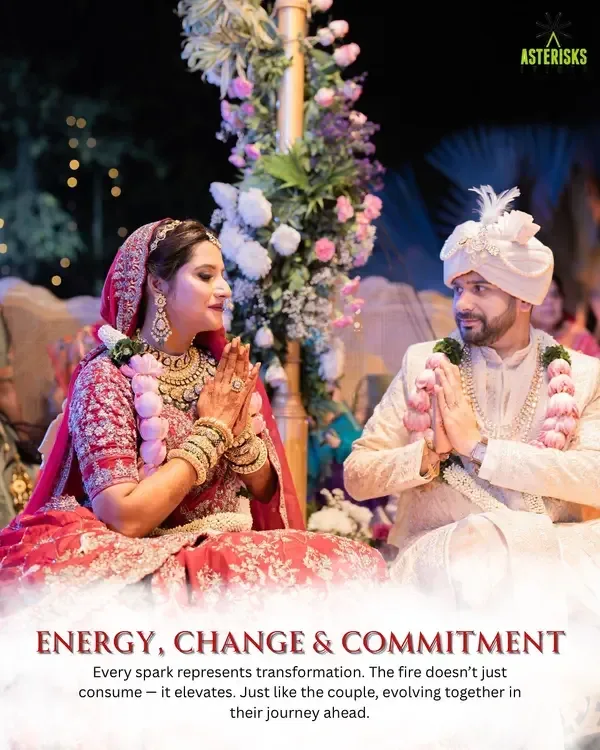
Agra’s rich in history. The Taj Mahal draws crowds, but there’s more to explore. Old Rajput families keep their identity alive over the years, even with digital matchmaking making waves. A match here represents heritage, mixing families and shaping marriage expectations.
Agra's Rajput Families: Between History and Aspiration
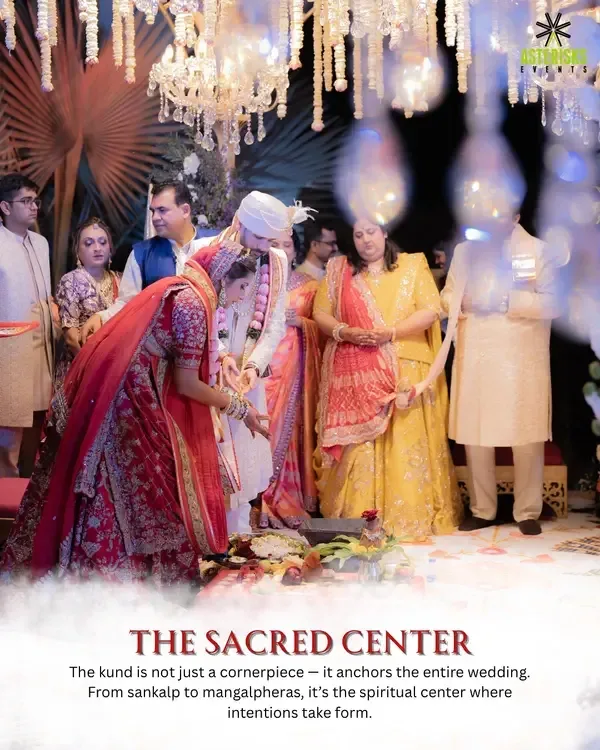
Rajput families arrived in Agra during Mughal rule, leaving their mark on the city. Today, they settle in areas like Kamla Nagar or along the National Highway. Older folks often arranged marriages at events; younger ones use apps but let family keep control.
Staying true to their roots is crucial. They celebrate Maharana Pratap’s birthday to remember their past. Young men get involved through groups like Rajput Karni Sena, which helps them make connections for marriage.
Marriage Customs: Tradition Adapted to a Heritage City
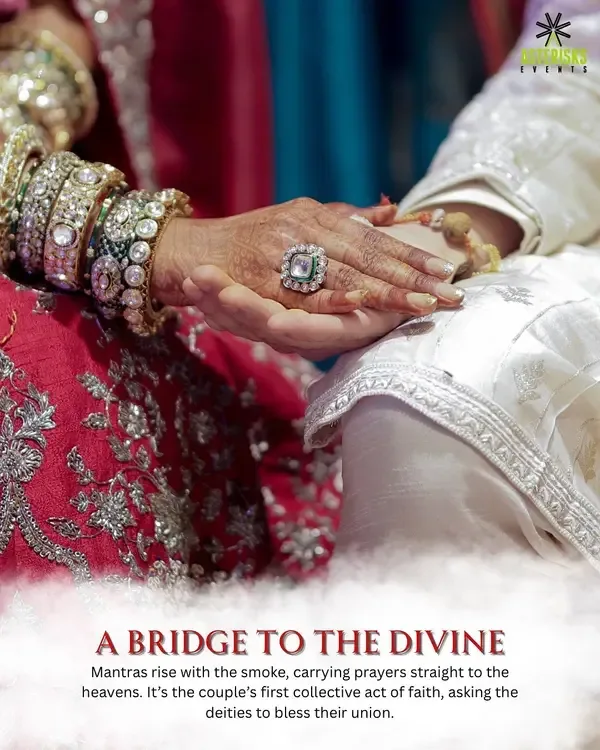
Rajput weddings are rich in cultural meaning. Instead of dowries, brides' families focus on respectful ceremonies. Weddings usually take place at garden resorts or lavish banquet halls. Some traditions include:
- Ganesh Puja and Roka Start with family priest-led mantras at home.
- Mehendi and Sangeet Fun gatherings with female relatives’ folk songs.
- Baraat with Ghodi Groom rides a fancy mare amidst an excited crowd.
- Jai Mala and Pheras Exchanging garlands followed by vows around fire.
- Dwar Puja Bride's brothers warmly welcome the groom with humor.
What Agra Rajput Families Look for in a Match
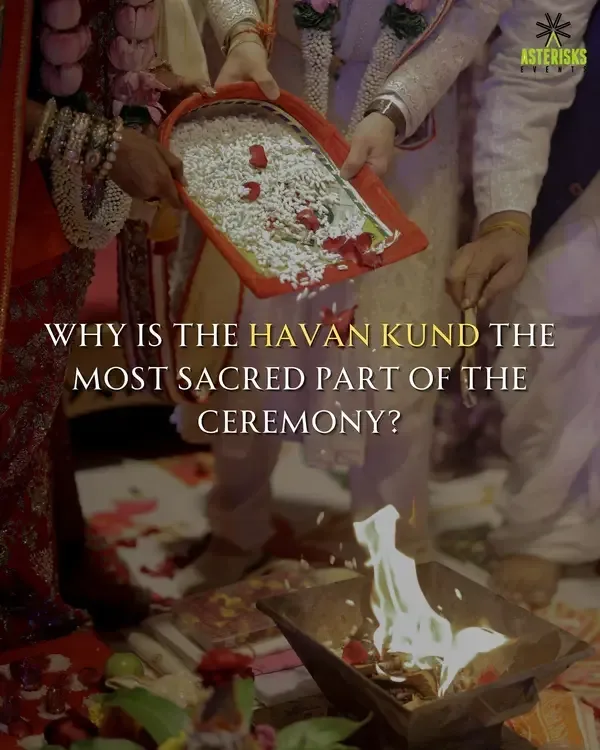
An ideal match for an Agra Rajput family blends tradition and modernity. Many work in government jobs or businesses like IT despite being influenced by leather or tourism sectors. A stable job is key; government roles are often preferred. An education from Delhi or Jaipur is also looked upon favorably.
Bride’s education is significant—a degree like B.Ed., nursing, or any bachelor's can be important too. Family values, social standing, and hospitality reputations matter as well. An ideal girl is confident and knows how to handle social events while respecting old traditions.
The Role of the Braj Cultural Environment
Agra's part of Braj Bhumi—the sacred land tied to Krishna—reaching areas like Mathura and Vrindavan. This spiritual influence touches many local Rajputs who incorporate Radha-Krishna worship into Kshatriya practices. Events like Janmashtami showcase community vibes, leading to marriage conversations.
The Agra Rajput Match Today
The scene for Rajputs in Agra is shifting now. With many young folks working in Delhi but keeping strong ties to home, opinions around match selection still matter, even if a guy’s living far away now.
Merging with families from Mathura or Etah happens too; it shows how shared histories weave through Uttar Pradesh’s landscape.
Agra - Location Map
Explore the area and discover matrimony profiles near Agra.
Rajput Matrimony FAQs
How do Rajput families in Agra start arranging marriages?
Most start through community networks like Kshatriya Mahasabha, trusted family contacts, or online sites. Elders usually handle checking out each other's background and social standing before setting up a meeting.
Why do Agra Rajput weddings care about the Braj culture?
Being close to Mathura and Vrindavan, Agra's Rajput families mix Radha-Krishna devotion with their Kshatriya traditions. Festivals at temples, like Janmashtami, are big social events where people often meet for marriage matches.
What jobs are favored for Rajput grooms in Agra?
Government service is the top pick. Business families with solid businesses in marble, real estate, or trade get respect too. Grooms working in Delhi or other big cities but having family ties in Agra are seen as stable matches.
Do Agra Rajput families go to the Kuldevi temple before a wedding?
They sure do. Visiting the family's kuldevi temple for blessings is a big deal before a wedding. Each family does it on their own, and it's seen as spiritually important even before setting the wedding date.
Do Rajputs in Agra often form alliances with other cities?
They sure do. Traditionally, they form alliances with places like Mathura, Firozabad, Etah, and Aligarh. These days, it’s also common to consider matches from Delhi, Gurgaon, and Jaipur since there are strong Rajput communities there too.
Find Rajput Hindu Matches
Find Rajput Brides & Grooms in Major Cities
Explore city-wise matchmaking options for Rajput to shortlist compatible profiles for marriage in active local hubs.
All cities include verified active profiles updated regularly.
 App Store
 Play Store
