Rajput Hindu in Pune Matrimony Profiles
Showing 3+ verified profiles · Hindu · Rajput · Pune
Find Rajput Hindu in Pune Matrimony Profiles in Pune through 3+ verified profiles on Corishta. The listing is designed to make shortlisting easier for families looking for compatible and genuine matrimony matches.
Top Religions in Pune
City-focused religion hubs connected through published SEO pages.
Rajput Matrimony – Honor, Lineage, and Modern Strength
The Code That Shaped a Civilization
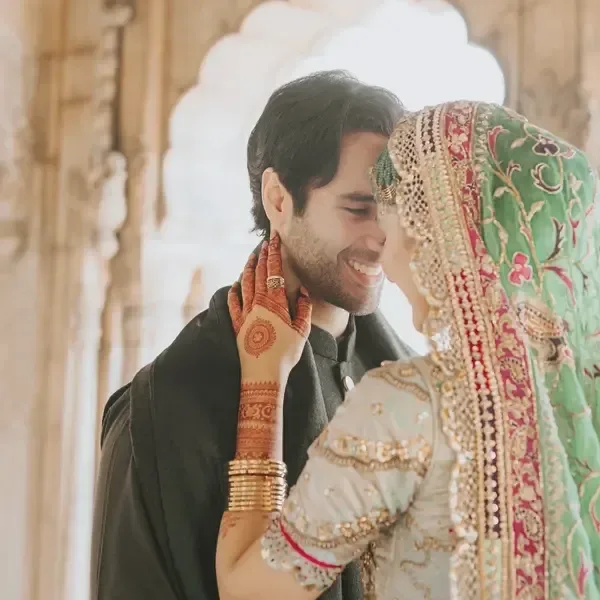
To be Rajput is to carry a code. Not a rulebook, not a checklist a code, in the older sense of the word: a set of principles so deeply internalized that they become indistinguishable from personality. The Rajputana code of conduct rajdharma, the warrior's ethics, the absolute sanctity of the word given and the word kept has been refined across a thousand years of political and military history. It has been tested under conditions that most modern people cannot imagine: sieges, betrayals, invasions, and the specific torture of watching people you love die for principles that could have been avoided by a small compromise. The Rajput did not make the small compromise.
This historical gravity does not crush the modern Rajput family it animates them. The pride of lineage is real and it is specific. A Rajput family knows their clan, their historic territory, their ancestors who are remembered by name and deed rather than merely acknowledged as unnamed past. This specificity of lineage the ability to trace character forward through generations is part of how Rajput families evaluate matrimonial alliances. They are asking not just about the individual but about the family from which they come, because they understand that character is partly inherited and partly environment, and the family is both.
The Rajput Household: Structure, Warmth, and the Weight of History
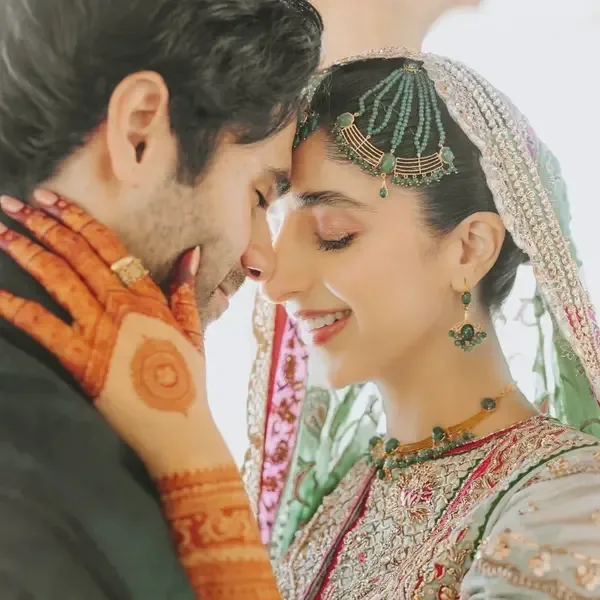
A Rajput household is organized with a clarity of hierarchy that can feel formal to outsiders but is experienced from within as a form of security and love. The elders are consulted not because they are required to be but because their experience is genuinely valued. The young are encouraged to be capable and self-possessed a Rajput family is not trying to produce obedient children but brave ones. The combination of structural respect and encouragement of individual courage produces a family dynamic that is both warm and formidable.
The home typically contains visible markers of lineage portraits, weapons, coats of arms, or photographs of ancestors in formal attire that reflect the family's specific history. These are not mere decoration; they are a daily reminder of the standard the family carries. A new family member who understands these markers, who inquires about them with genuine curiosity rather than polite indifference, will earn immediate regard.
When Rajput Families Meet
A Rajput matrimonial meeting is conducted with particular attention to formal courtesy. Both families will arrive having researched each other's clan and lineage carefully. The conversation will establish kul (clan) and gotra early Rajput endogamy rules specify which kuls cannot marry each other, and this is verified before any other assessment proceeds. Assuming the lineage compatibility is established, the meeting will then assess the more personal qualities: character, education, professional standing, and the specific quality of bearing that Rajput families describe as tej a radiant self-possession that cannot be faked.
Women in Rajput families have historically occupied complex positions celebrated for courage and capability but also subject to strict purity codes that modern educated Rajput families have largely abandoned. The contemporary Rajput family is generally committed to their daughters' full professional autonomy and expects the same respect from prospective matches' families.
Festivals, Kul Devata, and the Living Tradition
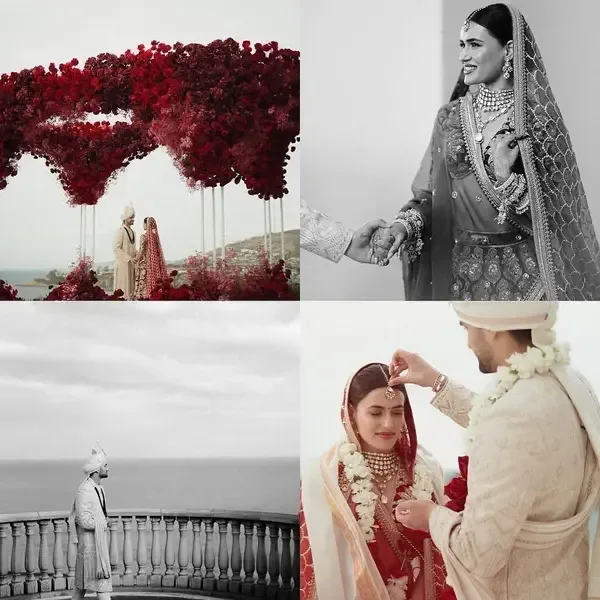
Kul devata worship is perhaps the most important ongoing religious practice in a Rajput family. The specific deity associated with the family's kul whether Navadurga, specific forms of Shiva, or local warrior deities is worshipped with full ceremonial attention at key life events including births, marriages, and deaths. The pre-wedding pilgrimage to the kul devata temple is a non-negotiable step in most Rajput families, conducted regardless of the distance involved.
Navratri is celebrated with particular intensity in many Rajput households, reflecting the community's deep connection to the goddess traditions. The garba and dandiya raas forms of Navratri celebration are, in their origin, specifically Rajput devotional forms though they have long since become broadly shared. A Rajput family's Navratri is typically larger, more elaborately organized, and more emotionally intense than the norm.
What Rajput Families Seek in a Partner
Character that matches the lineage, courage that shows itself in daily life rather than dramatic circumstances, education that adds capability without erasing pride, and a family background that carries its own form of integrity: these are the Rajput matrimonial criteria. Not a perfect match on paper a match that will hold under pressure.
- Kul and gotra compatibility is verified before all other criteria in Rajput matrimonial searches
- Tej a quality of radiant self-possession is the most valued personal characteristic
- Pre-wedding kul devata darshan is a near-universal requirement in traditional Rajput families
- Lineage knowledge knowing one's clan history and ancestors is expected of both families
- Women's professional achievements are increasingly celebrated alongside lineage pride
Pune - Location Map
Explore the area and discover matrimony profiles near Pune.
Rajput Matrimony FAQs
What are the major Rajput kuls and how does kul exogamy work?
Major Rajput kuls include Chauhan, Rathore, Sisodia, Kachwaha, Tomar, Bhati, Parmar, Solanki, and many others. Kul exogamy means marriages within the same kul are prohibited. Additional rules govern which kul combinations are prohibited through maternal lineage. Most Rajput families verify kul compatibility as the first step in any matrimonial evaluation.
How important is lineage documentation in Rajput matrimony?
Very important for traditional families. The ability to trace ancestry back several generations and provide specific information about the family's historical territory, titles, and notable ancestors is considered a mark of authentic Rajput identity. Families that cannot account for their lineage may face skepticism from more traditionally-minded Rajput families.
What role do women play in Rajput family decision-making regarding marriage?
Modern Rajput families strongly support daughters' active participation in matrimonial decisions. The historical tradition of Rajput women's courage and capability—embodied in figures like Rani Padmavati and Durgavati—is invoked as support for women's agency. The contemporary expectation is that both the young woman and her family participate equally in evaluating and accepting a match.
What does a Rajput wedding ceremony involve?
Rajput weddings are typically large, formal events reflecting the family's social standing. Rituals include pre-wedding kul devata puja, the saat pheras conducted according to Rajput-specific forms, the exchange of specific symbols of clan alliance, and a multi-day celebration involving community participation. Traditional dress—specific styles of pagri (turban) for men, specific bridal attire for women—carries symbolic meaning.
Find Rajput Hindu Matches
Browse Rajput Matrimony by Cities
Use these city pages to compare Rajput matrimony matches and connect with families seeking serious marriage alliances.
All cities include verified active profiles updated regularly.