Maurya Hindu Matrimony Profiles
Showing 6+ verified profiles · Hindu · Maurya
Browse 6+ verified Maurya Hindu Matrimony Profiles on Corishta. Families exploring suitable matches can review active profiles, shortlist preferences, and connect with genuine members.




🔒 View More Profiles
Register free to see full profiles, contact details, and photos.
- or -


Maurya Matrimony: Perfect Delhi Matches in North India
A Name That Carries the Weight of an Empire
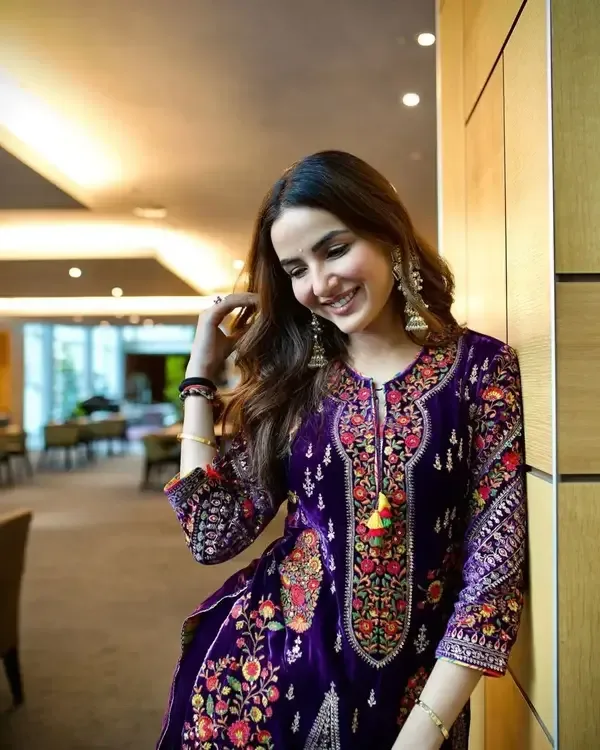
The Maurya community takes pride in its name. In Delhi’s busy neighborhoods—from Uttam Nagar to Burari and Dwarka to Shahdara—when a Maurya family announces a wedding, you can feel the pride. It reminds people of great figures like Chandragupta and Ashoka. Today’s Maurya families might live in DDA flats or run small businesses, but they never forget their proud lineage.
Historical Identity and Political Consciousness
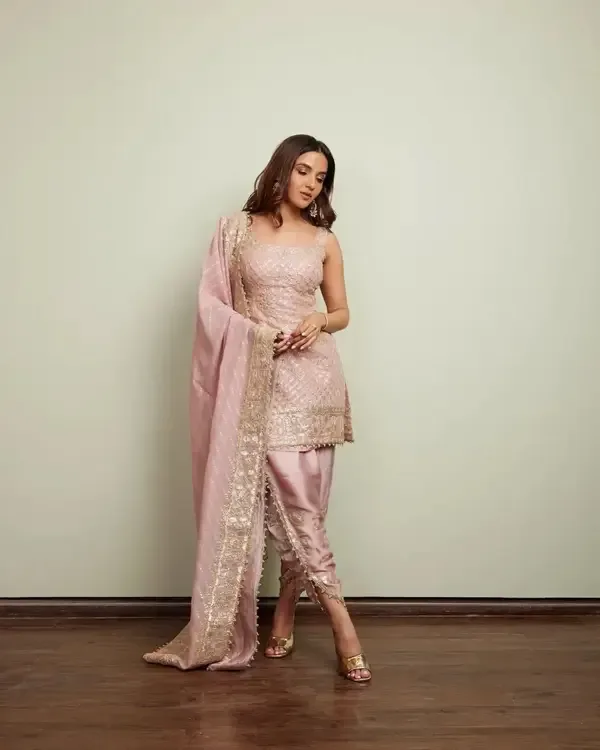
Most Mauryas belong to the OBC category and have gained strong political awareness over the last fifty years. In states like Uttar Pradesh, Bihar, and Delhi, Maurya leaders are now key voices in politics. This understanding of their social rights often comes up in marriage talks—families discuss kundalis alongside their social standing and reputation within the community.
Who Are the Maurya?
Mauryas traditionally focused on horticulture and vegetable farming (mali/kachhi work), but today many are employed in government jobs, the military, or run small businesses. In Delhi, the Maurya community has created tight-knit clusters where events like festivals and marriages are community affairs. They celebrate Teej, Karva Chauth, and Chhath Puja together.
Marriage Traditions in the Maurya Community
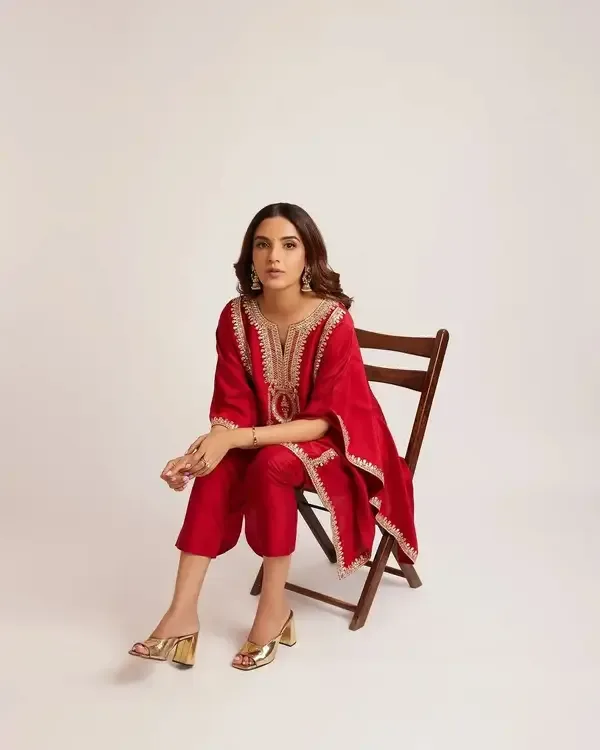
A Maurya wedding in Delhi is a mix of UP traditions and city life. Mehendi spills out onto sidewalks. The groom arrives on a decorated ghori (mare) with dhol beats echoing off walls. Inside, women sing sohar and vivah geet in Hindi dialects, keeping its oral tradition alive amidst city chaos.
- Tilak ceremony at the bride's home by the groom's family
- Seven pheras with Sanskrit mantras chanted by a pandit
- Kanyadaan ritual is viewed as central to the wedding
- Afterward: Munh Dikhai and Griha Pravesh for the new bride
- Chhath is observed together, often at nearby rivers or ponds
Family Values and Expectations
Maurya families usually have strong joint structures. Daughters-in-law help with housework, festivals, and community activities. Education for girls now holds more value; many families look for educated working brides. Men are expected to be breadwinners, but women’s income is welcomed too. Inter-state matches with candidates from UP, Bihar, and Delhi are common.
The Modern Maurya and Matrimony Today
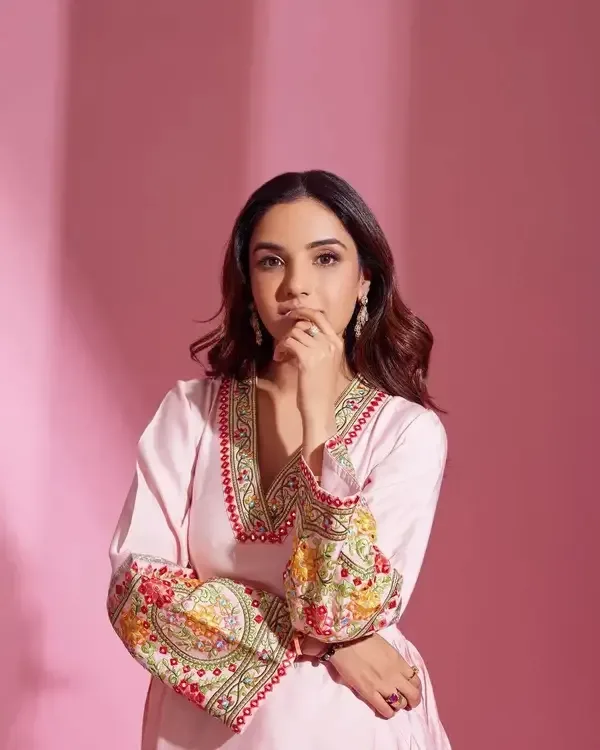
The young Mauryas in Delhi are assertive, aware of politics, and ambitious. A boy working as a Delhi Police constable has as much pride as one running a transport business. Girls with B.Ed or nursing degrees are highly valued. But there’s a challenge: balancing parents' expectations for community matches with their own wishes for emotional connections.
Scenes from Community Life
Imagine a Sunday in Dwarka—a park filled with men talking about an upcoming baraat while women chat over chai about potential matches for girls. This is where many connections start—a suitable boy might soon be mentioned or someone visiting from Lucknow. The network is real and personal. We're aiming to digitalize this warm atmosphere.
Delhi - Location Map
Explore the area and discover matrimony profiles near Delhi.
Maurya Matrimony FAQs
What category is the Maurya community in?
The Maurya community falls under the Other Backward Class (OBC) category in most places like UP, Bihar, and Delhi. They have a history in horticulture and farming and are politically active in North India.
What are the main traditions in a Maurya wedding?
The big moments are Tilak, Mehendi, Baraat with ghori and dhol, Kanyadaan, Sapt-Padi pheras, and the post-wedding Griha Pravesh. Plus, you’ll hear women singing Avadhi and Bhojpuri songs during the ceremony.
How does the Maurya community view love marriages?
More people in the Maurya community are warming up to love marriages, especially in places like Delhi. Most families still lean towards matches within the community, but they're open to educated partners from similar backgrounds. Family input and respect are still key, though.
What do Maurya families consider when looking for a match?
They focus on gotra compatibility, how well-known the family is, the groom's job stability, and the bride's character and education. Community standing and social respect are big things too.
Are there Maurya matrimonial profiles from places other than Delhi?
Definitely. We’ve got verified profiles from UP, Bihar, Madhya Pradesh, and other states. A lot of families in Delhi are looking for matches from their home states.
Best State-wise Destinations for Maurya Matrimony: Uttar Pradesh
Maurya matrimony demand varies across India, and these top states show where verified profiles and serious matchmaking intent are strongest right now.
Find Maurya Hindu Matches
Find Maurya Brides & Grooms in Major Cities
Explore city-wise matchmaking options for Maurya to shortlist compatible profiles for marriage in active local hubs.
All cities include verified active profiles updated regularly.
 App Store
 Play Store
