Kurmi Hindu Matrimony Profiles

Showing 27+ verified profiles · Hindu · Kurmi

With over 27 verified profiles, Kurmi matrimony gives families a focused view of active marriage profiles and local matchmaking choices. A large share of activity is concentrated in Lucknow and Allahabad. Most visible profiles are clustered around an average age of 30 years. The present mix reflects slightly more grooms than brides in the visible pool across active verified profiles.

Deepak

27 yrs • Bareilly

Business / Self Employed

Never Married View Profile

Megha

25 yrs • Faridabad

Not Working

Never Married View Profile

Sanjeev

38 yrs • Patna

Private Company

Divorcee View Profile

Manish

26 yrs • Lucknow

Private Company

Divorcee View Profile

***** *****

39 yrs • Bhilai

Business / Self Employed

Divorcee Login to View

Kurmi Matrimony – Farmers at Heart, Leaders by Nature

Kheti Ki Mitti, Dil Ka Diya – Kurmi Matrimony
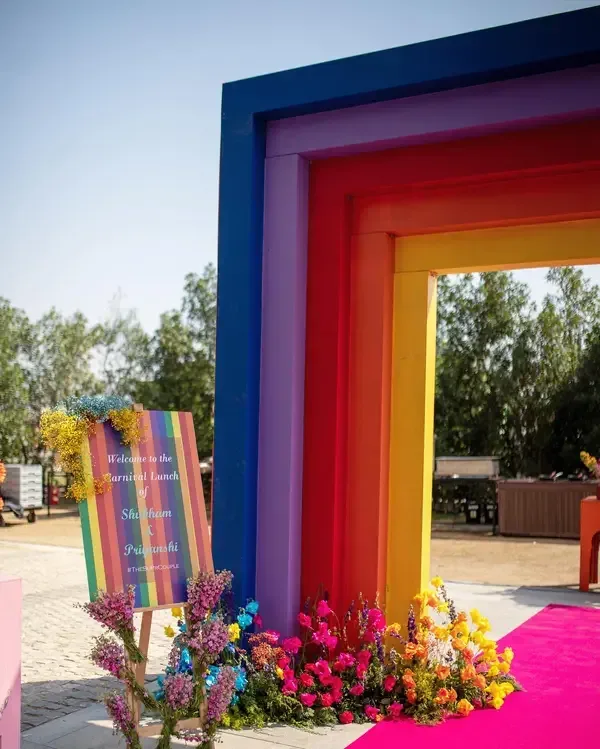
Kheti Ki Mitti, Dil Ka Diya – Kurmi Matrimony

If the agricultural civilization of North and Central India has a human face, it is the Kurmi community. Across Uttar Pradesh, Bihar, Madhya Pradesh, Jharkhand, and Maharashtra (where they are known as Kunbi, closely related to Kurmi), this hardworking, land-connected community has been the backbone of India's food production for centuries. The Kurmi identity is the farmer's identity: patience, seasonal wisdom, understanding that effort and outcome are separated by time, and a bone-deep relationship with the land that urban people can admire but rarely fully comprehend.

The Kurmi community belongs to the OBC category and has been part of India's social empowerment story over the last few decades. Kurmi politicians, civil servants, educators, and entrepreneurs are increasingly visible in positions of leadership, and the community is acutely aware that its path to full social dignity runs through education, organization, and economic self-sufficiency.

The Kurmi Identity – Peasant Farmer to Modern Professional
The Kurmi Identity – Peasant Farmer to Modern Professional

The transition from agricultural identity to modern professional life is underway in Kurmi families across North and Central India. A Kurmi family that has tilled land for generations may now have a son who is a district magistrate and a daughter who is a bank officer. This generational leap is not seen as abandoning the family's roots it is seen as fulfilling them. The land gave us this far. Now education takes us further.

Sub-groups within the Kurmi community Kushwaha, Koeri (Bihar), Patidar (Gujarat, Maharashtra), Mali (Rajasthan, Maharashtra) each carry regional identity within the broader agricultural community. Many of these communities are separately organized for matrimonial purposes, though the shared value system of hard work, family solidarity, and land reverence is common across all.

Kurmi Wedding Rituals – Earthy, Celebratory, and Community-Led

A Kurmi wedding in UP or Bihar is a multi-day community event where the entire village participates. The agricultural calendar influences the wedding season weddings cluster around post-harvest months when the community has time and resources. Traditional songs Sohar, Kohbar, Suhag sung by women during the wedding weeks carry agricultural imagery: fields, rivers, monsoon rains, and the cycle of seasons are woven into the wedding music.

The wedding feast at a Kurmi household is simple but abundant the community's agricultural identity means fresh, seasonal, and generously served. The groom arrives with a traditional procession; the welcome by the bride's family is a formal and warm affair governed by long-standing custom.

Modern Kurmi Families – Ambition Rooted in the Soil
Modern Kurmi Families – Ambition Rooted in the Soil

Today's Kurmi family in an urban setting has not forgotten its agricultural roots it carries them with pride. The work ethic that kept fields productive is now channeled into competitive exams, business ventures, and professional advancement. Kurmi communities have strong caste associations and cooperative institutions that support members in education and career development.

For a Kurmi family seeking a matrimonial match, the ideal partner is someone who respects the community's agricultural heritage and working-class dignity, who is professionally ambitious but personally grounded, and who will integrate into an emotionally warm, practically-oriented family ecosystem.

What Kurmi Families Value in a Match

  • Work ethic idleness is genuinely frowned upon in Kurmi households
  • Community identity respect pride in Kurmi/OBC heritage
  • Agricultural or practical intelligence over theoretical learning alone
  • Strong family bonds joint family or closely-knit extended family dynamics
  • Professional ambition channeled through stable, dignified employment
  • Simple, non-ostentatious lifestyle expectations

Find Your Kurmi Match on Corishta

Find Your Kurmi Match on Corishta

Corishta's Kurmi matrimony section connects Kurmi, Kushwaha, Koeri, and related OBC agricultural communities across UP, Bihar, MP, Jharkhand, and Maharashtra. Find a partner who carries the farmer's patience, the worker's dignity, and the modern person's aspiration all three together.

Frequently Asked Questions

What sub-communities are related to Kurmi for matrimonial purposes?

The Kurmi community is closely related to Kushwaha and Koeri in Bihar, Patidar in Gujarat and Maharashtra, and Mali in Rajasthan. These communities share agricultural heritage and similar values, and inter-community matches are sometimes considered.

Is education important for Kurmi matrimonial matches?

Education has become increasingly important for Kurmi families over the past two decades. First-generation college graduates are especially valued as matches, and families with government employment or stable professional careers are highly preferred.

Do Kurmi families have specific wedding seasons?

Traditionally yes — Kurmi weddings in agricultural belt states cluster around post-harvest months (November to February and April-May) when agricultural work is less intensive and resources are more available. Urban Kurmi families are somewhat more flexible with timing.

Are Kurmi families open to matches from other OBC agricultural communities?

Many Kurmi families are open to inter-community matches from closely related agricultural OBC communities like Kushwaha, Koeri, Mali, or Patidar, especially when professional backgrounds and values are compatible.

Explore Kurmi Matrimony Reach Across Uttar Pradesh, Madhya Pradesh, and Bihar

Families searching for Kurmi matrimony often prefer matches by language, lifestyle, and nearby regions; these state clusters highlight where most active options are available.

Find Kurmi Hindu Matches

Browse Kurmi Matrimony by Cities

Use these city pages to compare Kurmi matrimony matches and connect with families seeking serious marriage alliances.

City pages are refreshed with active profile availability for reliable matchmaking discovery.