Kushwaha Matrimony Profiles
Showing 18+ verified profiles · Kushwaha
Find Kushwaha Matrimony Profiles through 18+ verified profiles on Corishta. The listing is designed to make shortlisting easier for families looking for compatible and genuine matrimony matches.




🔒 View More Profiles
Register free to see full profiles, contact details, and photos.
- or -




Kushwaha Matrimony – Celebrate Family Bonds and Deep Roots
Rooted in the Earth, Reaching for the Sky
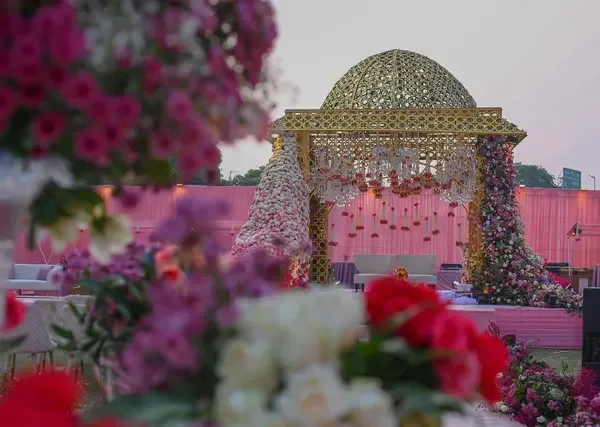
The Kushwaha community gets that true wealth comes from the land. Historically called Koeri, Maurya, or Shakya depending on where they are, these families live off hard work and the seasonal rhythms of farming. This agricultural spirit doesn’t fade when they shift careers; it sticks around as values like patience, hard work, love for the land, and family loyalty.
Kushwaha households run on teamwork. No one’s solo here—everyone shares meals and decisions. This collective approach carries into marriage too: when looking for a partner for their child, the whole extended family is involved. It’s not just about personal compatibility; they also consider how the marriage will strengthen family ties.
Community Identity Across Sub-Groups
Wedding Traditions That Honor the Soil

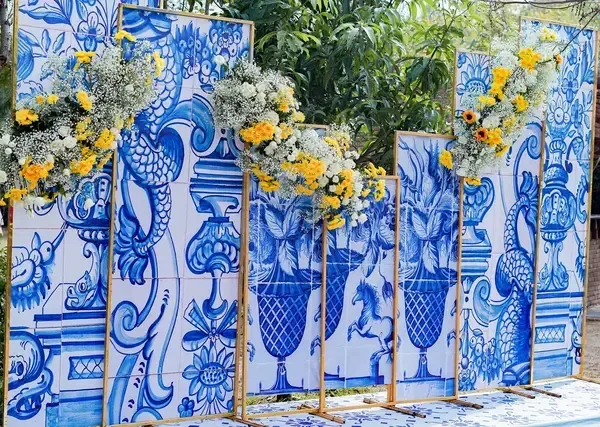
Kushwaha weddings tap into farming symbols big time. They’ll use flowers from their own gardens for decorations to show off their self-sufficiency. In the haldi ceremony, they use local turmeric. Also, bride's bangles reflect the colors of what’s in season. Pre-wedding rituals include blessing seeds—a nod to their agricultural roots.
Education, Aspiration, and the Modern Kushwaha Match
- Matching based on sub-group and regional backgrounds for Kushwaha families
- Highlighting agricultural heritage along with professional experience
- Community checks to verify reputation
- User-friendly profiles tailored for elders
- Match recommendations based on shared values
Kushwaha Matrimony FAQs
Are Kushwaha, Koeri, and Maurya part of the same group?
Kushwaha, Koeri, Maurya, and Shakya are linked communities with shared history and culture. The names might change depending on where you are, but they're generally seen as being part of the bigger Kushwaha community.
How do Kushwaha weddings include agricultural traditions?
Kushwaha weddings often use flowers from family gardens for decorations and have rituals where seeds are blessed. They also like to use locally grown turmeric and farming symbols to show their strong connection to agriculture.
How much does the family matter in Kushwaha marriage decisions?
Family's pretty important in Kushwaha marriages. Grandparents and community elders often help decide by looking at things like values, reputation, and what the community thinks.
What jobs do people in Kushwaha matrimonial profiles usually have these days?
These days, you’ll find lots of engineers, government workers, teachers, doctors, and business owners in the Kushwaha community. They've really focused on education lately, and what you do for work is often a big deal when looking at marriage profiles.
What do Kushwaha families look for in a match?
Kushwaha families really value hard work, being humble, staying loyal to the family, and respecting elders. They like someone who's successful in their job but also down-to-earth and connected to the community.
Explore Kushwaha Matrimony Reach Across Bihar, Madhya Pradesh, and Uttar Pradesh
Use this distribution to compare Kushwaha profile availability across regions and prioritize states with better response and compatibility potential.
Browse Kushwaha Matrimony by Cities
Use these city pages to compare Kushwaha matrimony matches and connect with families seeking serious marriage alliances.
City pages are refreshed with active profile availability for reliable matchmaking discovery.
 App Store
 Play Store
