




A Community That Carried the World on Its Shoulders
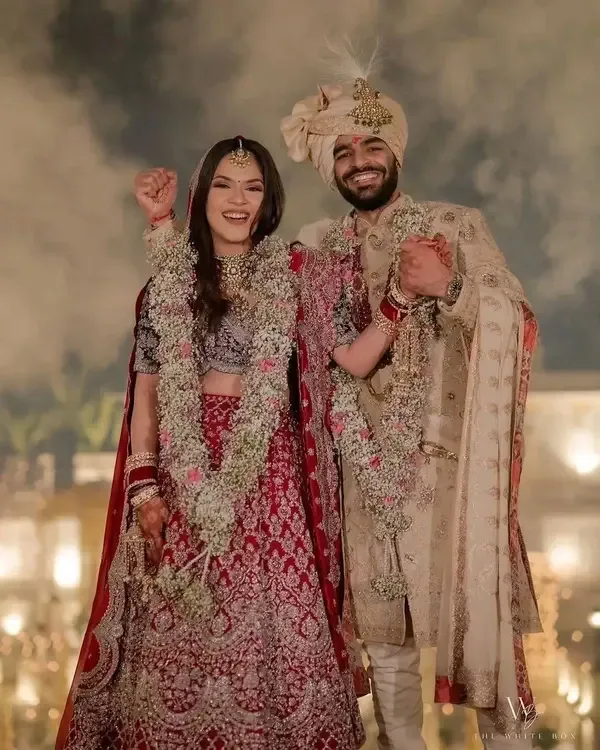
The Kahar community has a deep history in Bihar, known for carrying palanquins and providing services at homes. They’ve been key figures in courts and pilgrimage routes for years. It was more than just work; families relied on them for weddings and festivals.
From Hindu Matrimony in Gaya to Bhagalpur and Muzaffarpur to Hindu Matrimony in Darbhanga, Kahar families have had respect and dignity. But they often go unnoticed. Their story reminds us that people working behind the scenes deserve acknowledgment too. Now, as urban changes happen, their marriage customs still echo their history alongside their kids' dreams.
Kahar Matrimonial Traditions in Bihar
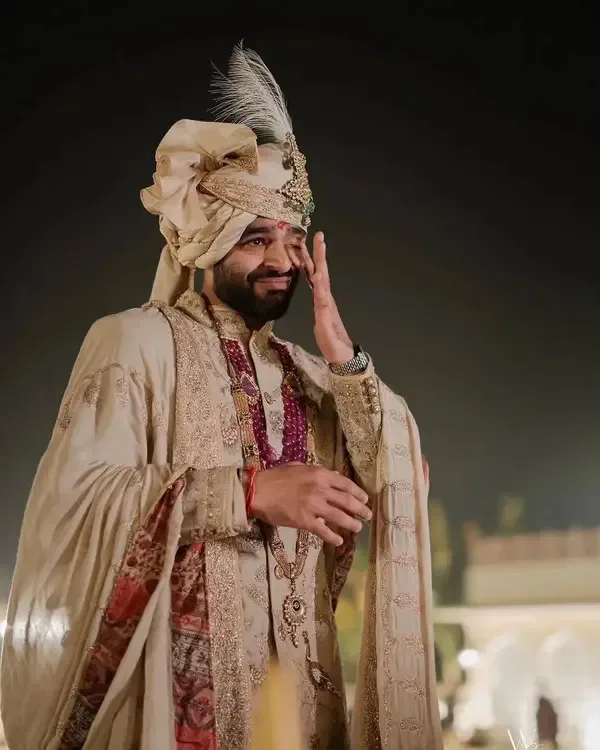
Kahar marriages run through community jati connections which are important socially. Elders matchmake and help find family ties. Many can name Kahar families from different districts—matrimonial searches often spread far.
Marriage events often sync up with festivals—the Chhath season is popular for family gatherings near rivers, often discussing marriages then. Most weddings happen after the harvest during winter—fit with their agricultural lifestyle.
Cultural Life and Ritual Specialization
Kahar families have played pivotal roles in wedding rituals. In many parts of Bihar, they've been water carriers and palanquin bearers for higher-caste weddings, reflecting social status. This involvement means they know weddings well—songs, customs, timing, expectations.
Now, Kahar weddings party with all things Bihar: dhol rhythms, shehnai sounds, haldi ceremonies, sindoor exchanges, saptapadi (the seven steps), and bidaai filled with hopes and goodbyes. They've taken up the festive vibes they used to create for others.
Educational Ambition and Matrimonial Change
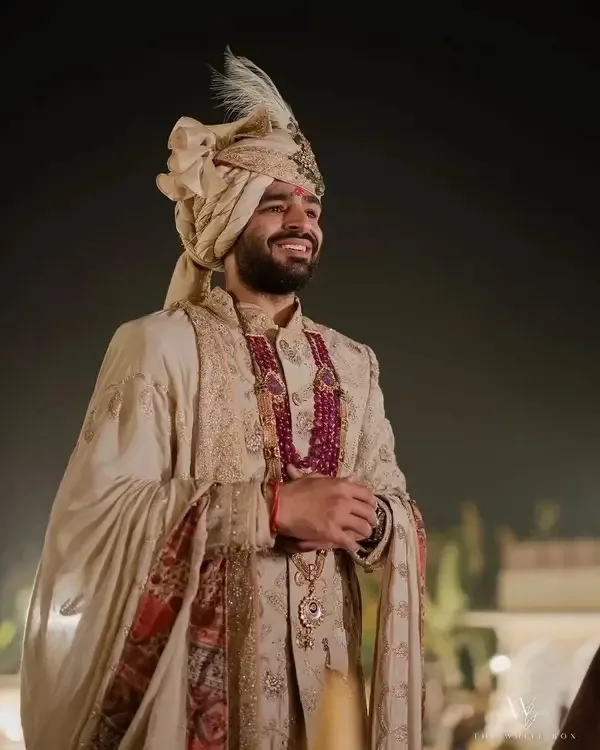 Kahar matrimonial culture has seen a major shift towards education. Government efforts for OBC communities opened avenues into higher education that weren’t available before. Many Kahar kids are now in government jobs or studying professionally.</p
This change is impacting matchmaking—educational qualifications matter more now. A government job—especially in areas like education or defense—is becoming important for stability and respect in society. Families aiming for these matches feel more optimistic about marriage.
- Connections through community jati networks plus elder guidance are essential
- A government job is highly regarded as marriage criteria
- Exogamy rules within clans exist
- Matrimonials traditionally include participation in Chhath celebrations
- Family reputation still carries weight
- Willing to consider matches within closely allied OBC groups
Forward Into Dignity
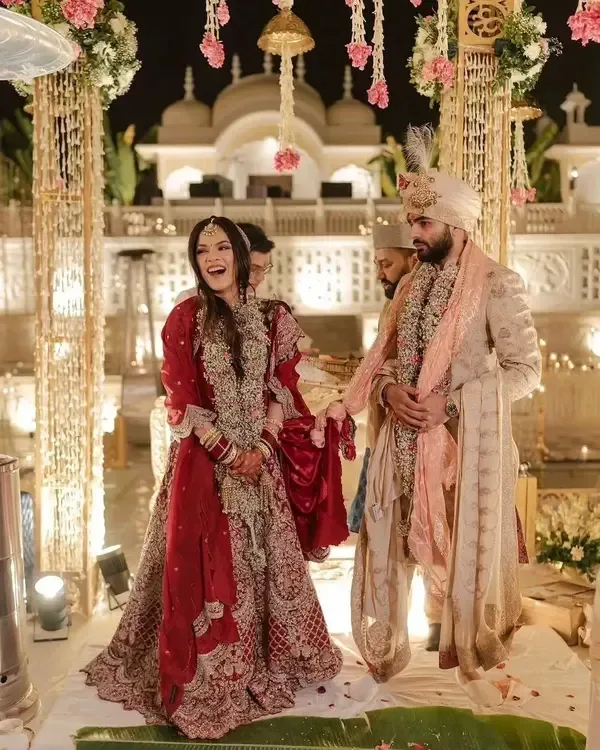
The Kahar community in Bihar is stepping into a new phase—transforming their service roots into roles in public service, teaching, and caregiving today. From teachers to business owners; they reflect their ancestors’ reliability while embracing new opportunities.
 App Store
 Play Store
