Gaya Hindu in Gaya Matrimony Profiles
Showing 6+ verified profiles · Hindu · Gaya · Gaya
Gaya Hindu in Gaya Matrimony Profiles on Corishta features 6+ verified profiles in Gaya. This page helps families compare background, community preferences, and marriage intent before taking the next step.
🔒 View More Profiles
Register free to see full profiles, contact details, and photos.
- or -
Hindu Matrimony in Gaya – Find Your Life Partner
Where the Sacred River Meets the Search for a Life Partner

Gaya breathes differently from other cities. The air carries incense from the Vishnupad Temple, the Falgu River hums with ancestral prayers, and every household understands the weight of ritual and lineage. This is not merely a city it is a place where the living still speak to their forebears through Pind Daan, where faith shapes every decision, including who walks beside you through life. For Hindu families rooted in Gaya, marriage is not a contract it is a cosmic continuation of family dharma.
The Hindu Community in Gaya – Faith as the Foundation

Gaya sits at the spiritual heart of the Ganga plains. Hindu families here, whether Brahmin, Kayastha, or other communities, carry a shared reverence for tradition that few urban centers can match. Fathers speak of kundali before they speak of salary. Mothers pack marigolds alongside photographs when visiting prospective families. Marriage proposals in Gaya often begin at the temple courtyard, exchanged quietly between trusted elders after evening aarti.
In this city, caste still structures introductions, but the younger generation engineers working in Patna, teachers, government officers navigate between what their grandparents expect and what they themselves seek. That tension makes Gaya families deeply interesting: grounded in ritual, quietly evolving in expectation.
Marriage Traditions in Gaya – Rituals That Breathe
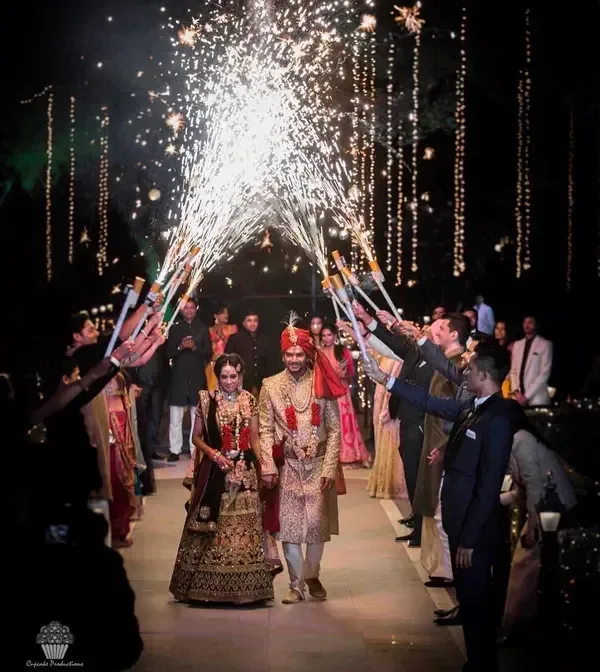
A Hindu wedding in Gaya is layered with meaning. The Tilak ceremony happens at home, with relatives filling the courtyard. The Vivah Panchami muhurta is chosen after careful consultation with the family pandit. Haldi paste is not just cosmetic it is applied with songs that have been sung in the same family for five generations. The wedding itself often stretches across three days, with specific rituals tied to the Gaya region`s Brahmanical traditions.
- Kanyadaan performed with Vedic slokas specific to Gaya pandits
- Pind Daan references woven into the ancestral blessing rituals
- Post-wedding visit to Vishnupad Temple as a couple`s first shared pilgrimage
- Bidaai accompanied by community songs in Maithili-inflected Bhojpuri
Finding a Hindu Match in Gaya – The Modern Reality
Today, many Gaya families use matrimonial platforms to widen the search beyond their immediate mohalla or village network. A young man working in the Patna IT sector might be registered here by his mother, who still lights a diya at the Mangala Gauri mandir every Tuesday hoping for the right match. Digital profiles carry horoscopes as standard attachments. "Homely yet educated" appears in bios alongside MBA degrees the balance is real, not contradictory.
Real-life meetings often happen at the ghats, at tea stalls near Bodh Gaya, or during family pilgrimages. Food matters a prospective match who can cook dal-baati and understands the significance of Chhath Puja preparation earns immediate family respect. Gaya families want someone who can stand at the river on Chhath evening and know why the sky matters that day.
What Gaya Families Look For
Stability is the first requirement. Government jobs, especially in education and administration, hold enormous prestige. Teachers, bank officers, and railway employees are considered solid matches. Beyond profession, families look for cultural alignment: Does the prospective partner keep vrat? Do they know when not to eat onion-garlic? Can they sit through a three-hour puja without fidgeting? These are the silent tests.
- Preference for same sub-caste or Brahmin gotra compatibility
- Horoscope matching with 18+ gunas expected in most families
- Physical proximity preferred Bihar-based matches over distant cities
- Respect for elders is non-negotiable assessed informally during first meeting
Why Choose a Matrimonial Platform for Hindu Matches in Gaya
The traditional community network is strong but finite. A matrimonial platform extends that network while preserving the cultural filter. You can search by community, sub-caste, gotra, and native district and find someone whose family attends the same Durga Puja pandal, speaks the same dialect, and understands why Chhath is not just a festival but a family identity. For Gaya families, the right platform feels like a trusted elder not a market.
Gaya - Location Map
Explore the area and discover matrimony profiles near Gaya.
Gaya Matrimony FAQs
Is horoscope matching mandatory for Hindu marriages in Gaya?
For most traditional Hindu families in Gaya, kundali matching is considered essential before finalizing any alliance. Families typically consult a local pandit for detailed compatibility analysis. Many now accept partial matching with mutual consent, especially when both families are progressive.
Which sub-communities of Hindus are most active in Gaya matrimony?
Brahmin, Kayastha, Bhumihar, and Yadav families form the most active groups in Gaya. Each community has its own network of pandits and banquet halls preferred for weddings. Intercommunity alliances, while growing, are still rare in traditional Gaya families.
Do Gaya families prefer in-person meetings before engagement?
Yes, a formal family meeting — often called 'roka' or a pre-engagement gathering — is standard practice. These meetings typically happen at the bride's home or at a neutral temple premises. Gaya families assess not just the candidate but family demeanor and cultural fluency.
How long does a typical Hindu wedding last in Gaya?
Most Hindu weddings in Gaya span two to three days, beginning with tilak and haldi ceremonies and ending with bidaai. The actual vivah rituals can last four to six hours through the night. Some families also include a post-wedding visit to Vishnupad Temple as part of the celebration.
Are love marriages accepted in Hindu families in Gaya?
Love marriages are becoming more accepted, particularly in educated urban families, but parental approval remains critical. Most couples seek family blessings before formalizing. Self-arranged matches that are later presented to families for approval have become a common middle path.