Find your ideal Hindu match in Jhalawar. Our matrimony embraces local values and culture for Hindu families in Jhalawar, Rajasthan. Join today!
Hindu Matrimony in Jhalawar, Rajasthan
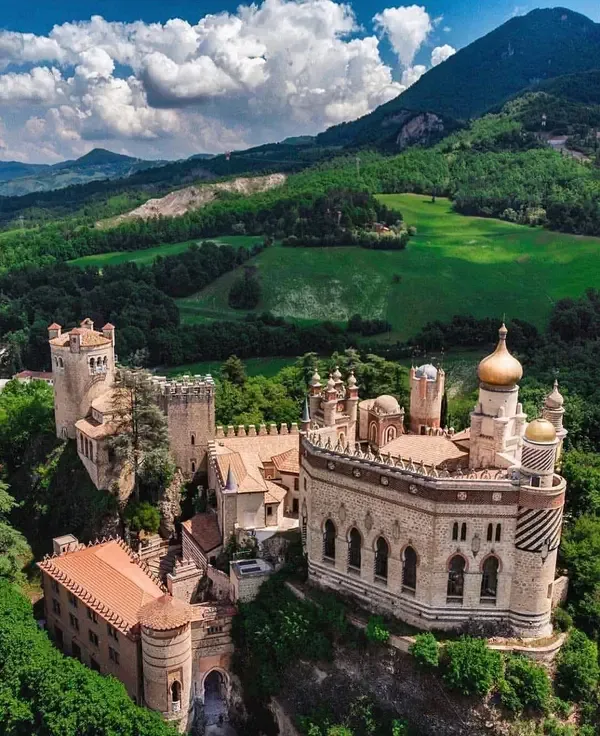
Jhalawar in southeast Rajasthan has its own vibe. It's quieter than Hindu Matrimony in Udaipur or Hindu Matrimony in Jaipur. The havelis and Kali Sindh river ghats add charm. Families often sit over tea chatting about weddings. For Hindus here, it’s all about family unity with elder blessings.
How Families Meet in Jhalawar
A stroll through the Jhalawar bazaar reveals a unique social network. Pandit-ji at Chandrawati temple knows who's seeking matches. The local tailor knows whose daughter just finished B.Ed. Even the grain merchants keep track of local families' finances. It’s like an old school matchmaking service.
Puja gatherings, Navratri festivities at Bhawani Mata temple, and Chandrabha Mela see families connecting. Familiar faces mean respect and engagement in finding matches. Proposals usually get shared through relatives or friends before they meet.
Hindu Marriage Traditions in Jhalawar

Hindu weddings follow traditional Rajasthani Brahmin customs with local flavor. The sagai sees the groom's family visiting the bride's side to formalize engagement with thali and tilak. Gotra and kul matches matter; they're traced back four to seven generations.
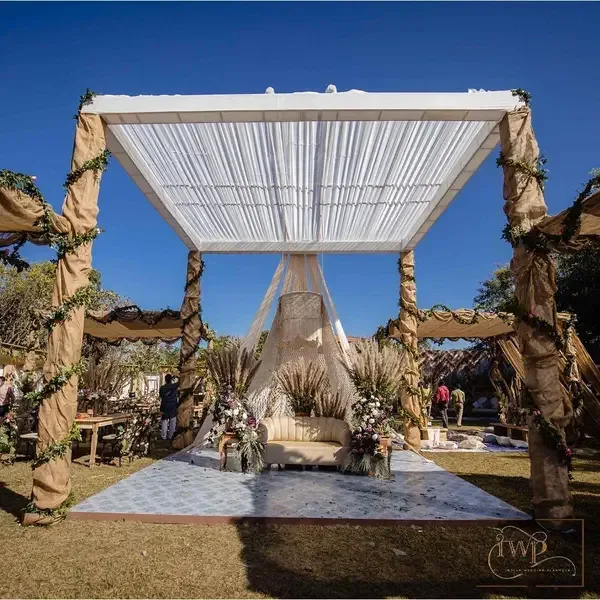
The wedding stretches over three days filled with celebration. Mehendi night features folk songs and rituals. For haldi, they source turmeric from trusted suppliers. The pheras? They usually take place under a beautiful mandap, whether at home or a dharamshala—not banquet halls—showing how personal these marriages are.
What Hindu Families in Jhalawar Value in a Match
It's not just about degrees or jobs around here. Character, background, and behavior matter more. A respectful groom who can stand on his own, whether he works for the government, farm, or start something new is valued.
Daughters’ education counts—a lot finish graduation to pursue B.Ed or nursing—but they also want those ties that keep families connected. The idea of welcoming a son-in-law home if there’s no son is still important.
Compatibility Considerations
- Caste and sub-caste align within the Hindu community
- Gotra match verified by family pandit
- Kundali matching is typical for many families
- Simpler food preferences also matter
The Emotional Landscape of Jhalawar Marriages
You can’t quite explain Jhalawar's warm community until you experience it. When a girl gets married, neighbors come—friends who've watched her grow show up with blessings. This isn't just about parents; it’s about everyone involved in finding partners carefully.
The groom isn't merely choosing a wife; he's integrating someone into a big family full of opinions—all must be on board with this choice.
Finding Your Hindu Match from Jhalawar Online
Now online platforms reach places like Jhalawar, blending tradition with digital tools for finding partners. People review profiles as keenly as they do recommendations from trusted sources. Profiles that communicate native places, backgrounds, family goals do way better than generic ones.
If you're from Jhalawab and looking for your match, being open about your background will help you connect more than bland info does.


 App Store
 Play Store
