Kolkata Hindu Matrimony Profiles
Showing 51+ verified profiles · Hindu · Kolkata · Kolkata
Browse 51+ verified Kolkata Hindu Matrimony Profiles on Corishta. Families exploring suitable matches in Kolkata can review active profiles, shortlist preferences, and connect with genuine members.




🔒 View More Profiles
Register free to see full profiles, contact details, and photos.
- or -



Kolkata Hindu Matrimony – Culture & Commitment Await
A City That Marries Art, Devotion, and Emotion
On an October morning in Kolkata, the city's alive. Dhak drums pound everywhere, marigold garlands hang at pandal entrances, and that distinct scent of dhuno fills the streets from Shyambazar to Kalighat. Durga Puja isn’t just a festival; it's Kolkata's essence—beauty, culture, devotion. This vibe impacts marriage in Hindu families here.
In Kolkata, love and tradition go hand in hand. It’s packed with artists and activists. Marriage is not only social; it’s family histories, music, literature—everything that matters to them.
Bengali Hindu Matrimonial Traditions in Kolkata
A Bengali Hindu marriage starts with biodata exchanges—but they're not bland. A family's biodata includes literary tastes, skills, community work along with education and job details. It reflects character too.
Paka Dekha is when families meet formally. Usually at the bride's place in Ballygunge or Bhowanipore, there's sweets, tea, and a warm evaluative vibe. Elders chat while the couple sits quietly under observation.
Kundali and Astronomy in Bengali Matrimony
Today’s families may skip strict kundali matching but respect consulting a Jyotishi among traditional homes. Old houses in north Kolkata remind us astrology still plays a role in major life decisions.
Kulin Brahmin and Kayastha families take pride in their genealogies. They follow gotro rules to avoid intra-clan marriages. It honors family connections.
Lifestyle and Marriage in Modern Kolkata
The youth of Kolkata embody contrasts. A young woman might practice Rabindra Sangeet on Saturday morning, work on her PhD during the week, then discuss matches calmly with her parents on Sunday. The city creates this blend of tradition and aspiration.
Jadavpur and Tollygunge show young pros juggling tough jobs while enjoying culture. They want partners who are curious and enjoy Bengali adda—someone who connects Tagore with tech. Not asking much here.
Festivals as Social Spaces for Meeting
Durga Puja pandal hopping has become a hangout for young Hindu families in Kolkata. Pandals at Deshapriya Park or Mohammad Ali Park attract thousands; it's easy for families to notice potential matches from afar and catch up later through mutual contacts.
Saraswati Puja livens up campuses each year too. For many Kolkatans, it triggers memories—quick glances or quiet talks hinting at future matrimonial chats.
What Kolkata Hindu Families Look For
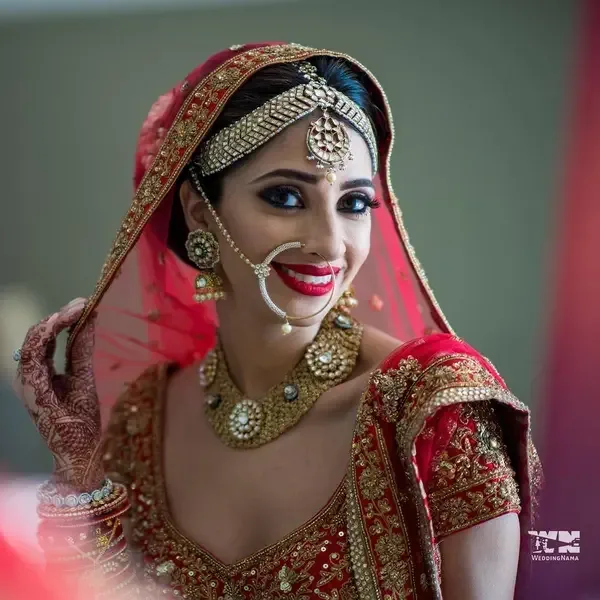
Families across generations have their own priorities. North Kolkata holds stronger caste views while South Kolkata tends to be flexible but cares deeply about cultural fit. Yet there's always this expectation of emotional depth—valuing connection along with success.
- Browse Bengali Hindu profiles from Kolkata by community and profession
- Connect with families from Ballygunge, Lake Town, Salt Lake, and more
- Filter by gotro for traditional family needs
- Verified profiles showing real family backgrounds
Kolkata - Location Map
Explore the area and discover matrimony profiles near Kolkata.
Kolkata Matrimony FAQs
What's the Paka Dekha ceremony in Bengali Hindu weddings all about?
Paka Dekha is when the families meet up, usually at the bride's place, to seal the deal on the marriage. They swap sweets and gifts and have some family chats. It's pretty much the first official step towards getting the two families allied for marriage.
Does gotro matching matter for Hindu marriages in Kolkata?
Gotro matching does matter for most traditional Bengali Hindu families in Kolkata, especially if you're talking about Brahmin and Kayastha communities. They believe that folks from the same gotro are connected by ancestry, so they usually avoid matching them up. Families typically check this before moving forward.
How do families in Kolkata look for marriage partners these days?
Families in Kolkata mix traditional ways like family and community connections with modern ones like online matrimonial sites. These platforms, like Corishta, let families search based on community, education, job, and location while keeping cultural expectations in mind.
In a Bengali Hindu marriage match, what cultural traits do people look for?
Besides education and job, Kolkata families care about your cultural side too. It's good if you love music, literature, food, and celebrating festivals. Someone who respects Durga Puja traditions, likes adda, and can have meaningful conversations is usually preferred in well-educated Bengali families.
 App Store
 Play Store
