Gond Hindu Matrimony Profiles in Gondia
Showing 2+ verified profiles · Hindu · Gond · Gondia
Corishta brings together 2+ verified options for Gond Hindu Matrimony Profiles in Gondia in Gondia. Whether families are browsing by community, city, or marriage intent, this section supports focused partner discovery.


Gondia's Trusted Gond Matrimony Services in Maharashtra
Forest Roots and Community Pride: Gond Matrimony in Gondia
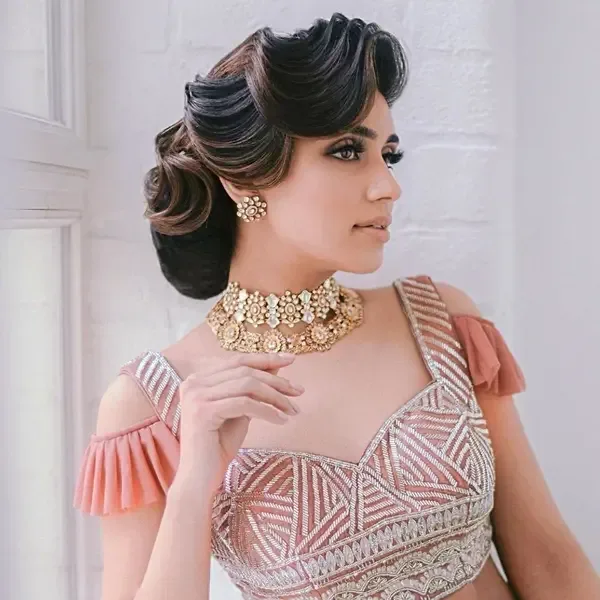
Gondia sits on Maharashtra's lush edge, surrounded by the forests stretching from Vidarbha to Chhattisgarh, packed with stories. With its rice fields, thick teak trees, and the Wainganga river, this has been home for the Gond community for ages. They’re one of India’s largest indigenous groups and have a real connection to their land. This connection shapes how they see marriage.
The Gonds do a lot here; they’re forest caretakers and farmers but also hold various jobs. Since independence, they’ve taken to education and are creating new paths while staying true to their traditions. Their art, especially that dot work and unique Gond paintings, is getting recognized worldwide as it shows their ties to nature.
Gondia's World: Rice, Forest, and Community Life
This place relies a lot on rice farming. It’s a basic part of every meal here, cooked in many ways passed down through families. The forests provide timber, meds, food supplements—it's key to rituals too. Weekly haats (markets) become social hubs—locals gather from nearby villages to talk about marriages.
Social life thrives around family clans (kul or goti); everyone’s linked to a specific totum clan which keeps marriage within limits. This builds unity—a shared identity that crosses village borders. One Gond family connects with relatives all over Chhattisgarh and MP—creating a huge matrimonial network reaching past any single district.
Marriage Traditions of the Gond Community in Gondia

The weddings show just how tight-knit the Gond community is with nature. These aren’t merely old traditions—they're alive through practice:
- Kul (Clan) Verification: First off, both families check their clans—elders managing this ensure exogamy is properly verified.
- Pahandi (Pre-Wedding Ritual): Musicians bring out songs while folks pay respects to ancestors and totem deities.
- Phulbhajja: Young people collect flowers from the woods for decorating wedding sites—a tribute to nature.
- Community Feast: The wedding feast isn't just for guests; it welcomes all community members who cook together. That really shows their inclusive spirit.
Matrimonial Expectations in Gondia's Gond Community
Matches wanted by Gond families respect traditional values but also match modern aspirations. Education matters now—you'll find families keen on connecting with others who think alike. Jobs in government are popular too—especially if they've done well there.
They often like agricultural links plus land ownership as part of good character.
When marrying off daughters, grooms should have some respect within the Greater Gon network; stable jobs or strong family farms are also looked at closely before any introductions happen.
Expanding the Matrimonial Network: Gondia to Greater India
The Gond community reaches across Maharashtra, Chhattisgarh, Madhya Pradesh, Odisha, and Telangana—way more options for matches out there. Online platforms aimed at tribal communities make connecting simple. Organizations like Gond Mahasabha help families over state lines as long as kul's matched right and cultural values align well.
Gondia - Location Map
Explore the area and discover matrimony profiles near Gondia.
Gond Matrimony FAQs
What's the kul system in Gond marriages, and why is it important?
The kul or goti is a clan system used in Gond marriages that ties into the community's identity. You're not supposed to marry someone from your own clan. You have to marry outside of it. This rule is the first and most important step when getting married.
How is background checking done in Gond matrimony in Gondia?
Elders and contacts in the Gond Mahasabha look into a family's background, community status, and kul using their network. It’s informal but thorough, and they check it all out before arranging any official meetings.
What role does traditional music play in Gond weddings in Gondia?
Traditional instruments like the dhol, mandar, and baansuri play a big role in the wedding. Community musicians play at all the wedding events. The music helps bring ancestral blessings to the marriage.
Are there many Gond matches between people from different states in Gondia?
Yep, that's pretty common. The Gond community is in Maharashtra, Chhattisgarh, MP, Odisha, and Telangana. Matches across states happen a lot as long as the clan rule's followed. Community groups help set these up.
How has education changed marriage expectations in Gondia's Gond community?
Education's a game changer for marriages now. Families want their college-educated kids to marry someone educated too. Plus, having a government job, especially with reserved category perks, is highly valued and has raised marriage expectations.
Find Gond Hindu Matches
Find Gond Brides & Grooms in Major Cities
Explore city-wise matchmaking options for Gond to shortlist compatible profiles for marriage in active local hubs.
All cities include verified active profiles updated regularly.
 App Store
 Play Store
