Gond Matrimony Profiles
Showing 11+ verified profiles · Gond
Browse 11+ verified Gond Matrimony Profiles on Corishta. Families exploring suitable matches can review active profiles, shortlist preferences, and connect with genuine members.


🔒 View More Profiles
Register free to see full profiles, contact details, and photos.
- or -



Gond Matrimony: Celebrate Heritage, Uniting Proud Traditions
The Children of the Forest, Keepers of the Earth
The Gond community is one of the oldest indigenous groups in India, connected to the forest, rivers, and earth long before anyone wrote anything down. Being Gond means knowing nature in ways no school teaches: the way rivers flood in monsoon season, bird calls, plants’ healing powers, and tales of Bada Dev, who watches from the sacred tree's heights.
Gond households don't follow clock time; they operate on seasons. It's all about when to plant, harvest, party, or go into the forest. The yearly cycle influences everything—what’s for dinner, what people wear, when gatherings happen—and marriage ceremonies are timed for lucky seasons. It isn’t superstition; it’s a sharp understanding of ecology that today's environmentalists are just starting to appreciate.
Gond Identity: Clans, Totems, and the Sacred World
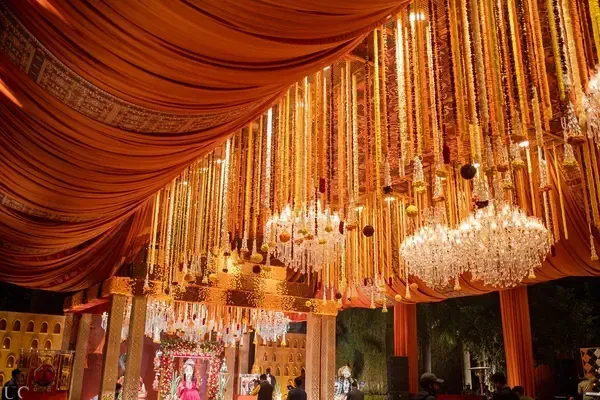
The Gond community is divided into clans with specific totems like the Nagvanshi (serpent), Suryavanshi (sun), and Marothi (wind). Marriage rules are complicated—some clans can intermarry while others have strict exogamy. Knowing your clan’s marriage customs matters for keeping tradition alive.
You’ll find Gond communities throughout central India's forests. They’re diverse—Dorla, Koitoor, Raj Gond, Maria, Muria, Bison Horn Maria, and Hill Maria each have their own unique traditions and artistic styles. The Gond art style is famous worldwide for its distinctive dot-and-dash imagery showing animals and spirits—one of their coolest contributions to global culture.
Marriage and Ceremony in the Gond Tradition
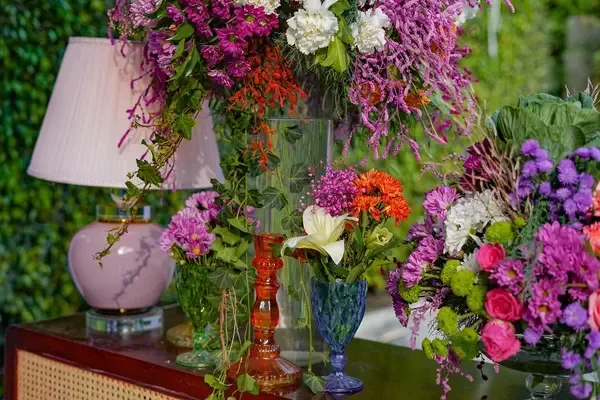
The weddings connect deeply with nature and spirituality. The laman, a big feast before the wedding day, unites families in a celebration that can last several days. Elders keep an eye on traditions while inspiring ancestors’ blessings for a new couple.
During traditional Gond weddings, there's lots of music and dance with ritual designs painted everywhere. This isn't just decoration; it's an important spiritual act. Brides wear tribal jewelry and traditional clothes with dot-and-dash patterns painted as blessings on them too. The whole ceremony isn’t just for two families; it strengthens community ties.
Modern Gond Families and the Path Forward
The Gond community has faced tough times but today’s folks are pushing back with strength. Young professionals from this community—proud of their roots—are stepping into fields like law and art while balancing tradition with modern life.
When it comes to marriages nowadays, Gond families strike a balance between past customs and present realities. They respect clan rules and stay involved as a community while involving elders. At the same time education and jobs aren’t overlooked by young people looking to make partnerships work—the voices of young men and women matter more now than ever.
- Gond clan identity and sub-group profile filtering
- Community tradition and tribal identity respected in profile structure
- Profiles may consist of both traditional and educated Gond families
- Elder-guided matchmaking processes are introduced
- Cultural heritage is honored through artistic tradition noted in profiles
Just like old trees have deep roots, strong marriages do too. Figure out yours here—stay true to who you are.
Gond Matrimony FAQs
How do clan rules influence who Gonds can marry?
In Gond culture, there are rules about marrying outside of your clan. Some clans can't intermarry, while others can. Knowing your clan and whom you're allowed to marry is key. People usually check in with community elders for this stuff.
What are the main groups in the Gond community?
The Gond community has groups like Raj Gond, Dorla, Koitoor, Maria, Muria, Bison Horn Maria, and Hill Maria. They each have their own traditions, ways of speaking, and art styles. Also, people usually marry within their own group.
What's the laman ceremony in Gond weddings all about?
The laman is a big feast before the wedding where both families come together to celebrate. Community elders make sure everything follows clan traditions, and there’s music, dancing, and blessings from ancestors.
What's the connection between Gond art and wedding ceremonies?
Gond art, with its unique dot-and-dash patterns showing animals and spirits, plays a role in weddings. They paint these designs as blessings on things around, adding a spiritual touch to the celebration.
Can you find educated Gond professionals on modern matrimonial sites?
Absolutely. We've got profiles of young Gond folks who are lawyers, activists, government officials, teachers, and artists. They’re proud of their roots and their jobs. You'll find both traditional and highly educated Gond families here.
Where Gond Matrimony Matches Are Growing: Chhattisgarh
Families searching for Gond matrimony often prefer matches by language, lifestyle, and nearby regions; these state clusters highlight where most active options are available.
Browse Gond Matrimony by Cities
Use these city pages to compare Gond matrimony matches and connect with families seeking serious marriage alliances.
All cities include verified active profiles updated regularly.
 App Store
 Play Store
