Mumbai Buddhist Matrimony Profiles
Showing 14+ verified profiles · Buddhist · Mumbai · Mumbai
Explore Mumbai Buddhist Matrimony Profiles in Mumbai with 14+ verified profiles on Corishta. From community filters to profile details, this page is built for serious matchmaking conversations.

🔒 View More Profiles
Register free to see full profiles, contact details, and photos.
- or -
Buddhist Matrimony in Mumbai – Faith & Dignity in the Busy City
Blue Flags in a City of Ten Million Stories
Mumbai keeps moving. Nothing makes it stop, not rain, not traffic, and definitely not the tiredness of its millions. But there are spots where you can breathe: places where the rush turns into thoughtfulness, and communities come together over shared beliefs instead of just business. The Ambedkarite Buddhist neighborhoods like Dharavi, Worli, Ghatkopar, and Chembur show this calm vibe that comes from Dr. B.R. Ambedkar's philosophy, helping many Dalits see their worth differently.
Mumbai's Buddhist community is huge. They've built solid institutions here: law firms, doctors, IAS and IPS officers, artists and activists who connect back to the mass conversion back in 1956. Marriage in this community is a party to celebrate all that change.
Buddhist Marriage Culture in Mumbai
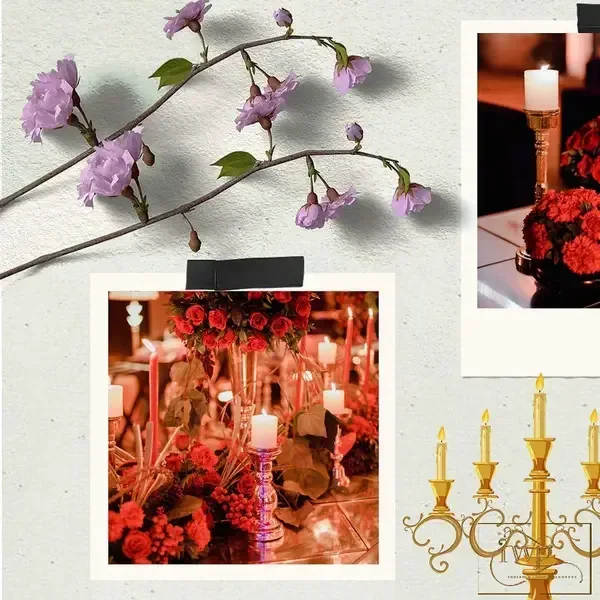
Navayana Buddhist marriages stand out for ditching superstition and focusing on community values. No kundali checks or Manglik worries here; no complex rituals tied to caste pressures. The ceremony is straightforward yet respectful and witnessed by the Sangha, which is the Buddhist community.
The event usually kicks off with the Triratna (Buddha, Dhamma, Sangha) and the Panchasila (Five Precepts). Vows are exchanged between the couple and the community. A monk or an elder leads the event. It’s all about mutual respect, core values, and creating a family that helps the community grow.
Dadar Chaitya Bhoomi and the Community Anchor
Chaitya Bhoomi at Dadar houses Dr. Ambedkar's ashes and is essential for Buddhists in Mumbai. Every December 6th, on Mahaparinirvan Din, thousands from across Mumbai and Maharashtra gather to pay their respects. This pilgrimage shows tight community ties throughout Mumbai's Buddhist calendar and naturally feeds into marriage networks.
Youth groups linked with the Republican Party of India, Ambedkar Mission, and local trusts in Worli, Chembur, and Ghatkopar provide social gatherings for young Buddhists with shared values. They help bring families together for introductions.
Mumbai Buddhist Professional Identity
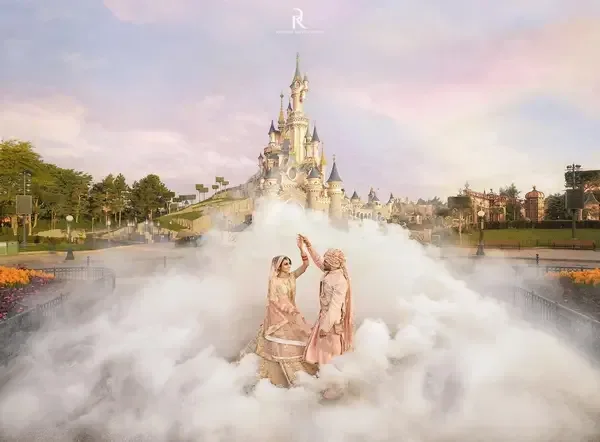
The Buddhist community in Mumbai has some impressive professionals: lawyers fighting discrimination at Bombay High Court, doctors at Sion Hospital or KEM, IAS and IPS officers from UPSC batches, artistic minds fueling Bollywood who channel that Blue Flame energy into their work. In this community, marriage expectations reflect aspirations: education is key; professional drive gets praise; commitment to serving others matters more than just making money.
The ideal partner in a Mumbai Buddhist family blends career success with solid principles—someone who knows Ambedkar's thoughts, gets the Navayana idea, practices mindfulness daily, and wants to raise kids within Buddhism’s focus on critical thinking and kindness.
- Explore Navayana Buddhist profiles from communities like Mumbai’s Dharavi, Worli, Ghatkopar, Chembur
- Connect with educated professionals from Buddhist families citywide
- Sort through by profession, education level, and community involvement
- Verified profiles focusing on values for Mumbai's Buddhists
Mumbai - Location Map
Explore the area and discover matrimony profiles near Mumbai.
Mumbai Matrimony FAQs
What's different in Navayana Buddhist weddings in Mumbai compared to Hindu ones?
Navayana Buddhist weddings in Mumbai skip the whole caste rituals, matching of horoscopes, and all those hierarchical stuff with priests. Instead, they focus on reciting the Triratna, taking Panchasila vows, and having community as witnesses. The big focuses are equality, compassion, and social responsibility rather than sticking to ritual traditions.
Why is Chaitya Bhoomi important to Buddhists in Mumbai?
Chaitya Bhoomi in Dadar is where you'll find the memorial stupa for Dr. B.R. Ambedkar. It's a key pilgrimage spot for Navayana Buddhists in Mumbai. Every year on December 6th, tons of people gather there for Mahaparinirvan Din. This makes it the biggest event on the Buddhist calendar in Mumbai and a chance for the community to come together.
What do Mumbai Buddhist families expect in terms of education and job for a match?
They're generally looking for folks with at least a graduate or postgraduate degree. Careers in law, medicine, IAS/IPS, engineering, and academics stand out. Being well-educated is super important because of the Ambedkarite belief in education as freedom. They also value those who are active in community service and share Buddhist values.
What's the size of Mumbai's Buddhist community compared to other Indian cities?
Mumbai's got one of the biggest urban Buddhist groups in India. You’ll find lots of them in places like Dharavi, Worli, Ghatkopar, Mankhurd, Chembur, and Govandi. Most are Navayana Buddhists after the 1956 conversion boosted numbers. Plus, Maharashtra leads the country with the largest Buddhist population overall.
Do folks in Mumbai's Buddhist community go for inter-religious marriages?
Most families stick to Buddhist matches because of the Navayana movement's strong sense of togetherness. But some progressive families might be okay with partners from other backgrounds, like open-minded Hindus, if they respect Buddhist values, steer clear of any caste stuff, and agree to raise kids as Buddhists.
 App Store
 Play Store
