Mahayana Buddhist Matrimony Profiles
Showing 8+ verified profiles · Buddhist · Mahayana
Browse 8+ verified Mahayana Buddhist Matrimony Profiles on Corishta. Families exploring suitable matches can review active profiles, shortlist preferences, and connect with genuine members.




🔒 View More Profiles
Register free to see full profiles, contact details, and photos.
- or -



Mahayana Buddhist Marriage: Unite Globally with Compassion
The Path of the Bodhisattva Begins at Home
Mahayana Buddhism is about universal liberation. The Bodhisattva is not just for personal enlightenment; it's also about helping others. In Mahayana homes, this affects how they parent, resolve conflicts, make purchases, and choose partners.
You can find Mahayana families all over India in various cultures. From Ladakh and Sikkim to Zen communities in cities and Tibetan refugee areas like Dharamshala and Mundgod, each region has a unique take on marriage as part of a spiritual life.
Mahayana Matrimony and the Bodhisattva Marriage
Getting married here means building a relationship where both partners grow spiritually. “Kalyanamitra” means spiritual friend; your spouse plays this role, helping or hindering your journey. So Mahayana families seek partners who help kids become wise and kind.
In Ladakhi and Sikkimese customs, families might ask a lama or rinpoche about potential partners. They consider compatibility through astrology and seek blessings—not superstition; marriage holds deeper significance that warrants some spiritual check.
The Cultural Landscape of Himalayan Mahayana Homes
The food? Think thukpa, tsampa, butter tea, and momos. They suit the high-altitude climate. For outsiders wanting in, embracing this distinct culture matters.
Urban Mahayana Practitioners and Their Matrimonial Search
Apart from Himalayan roots, urban Indian Mahayana practitioners are growing—people involved with Tibetan Buddhism or broader ideas through personal journeys or ties with Tibetan circles inspired by figures like the Dalai Lama. They blend insights on emptiness (sunyata) and compassion (karuna).
The matrimonial landscape is different—they look for partners who value Buddhism, who meditate regularly—and can face challenges using dharma rather than emotion. So dedicated platforms become handy here.
What Mahayana Families Seek
- A shared practice with an understanding of Mahayana philosophy
- Lama advice and astrological checks (for those in the Himalayas)
- A willingness to join monastery events and gatherings
- An easygoing nature that's patient and kind
- A good education along with stable jobs
- Cultural fit—whether from Himalayan roots or city backgrounds
A Marriage of Dharma and Love
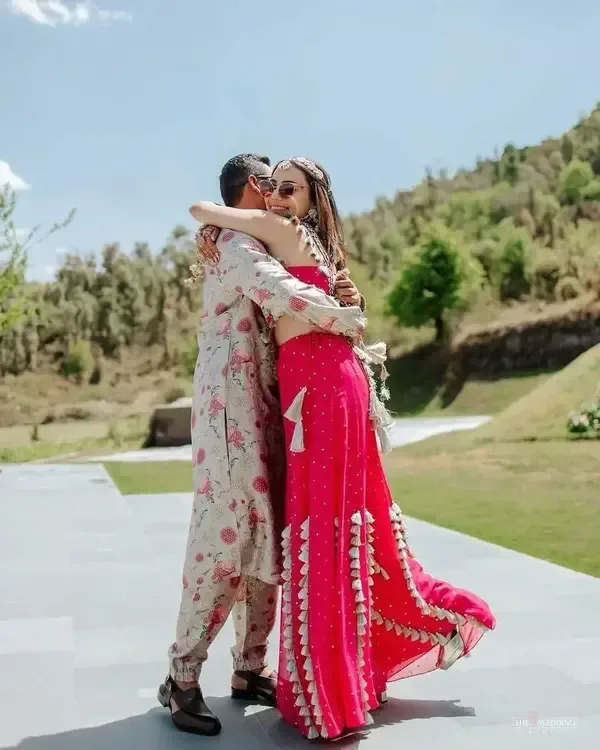
If you’re in Ladakh seeking a match in the Buddhist community or Sikkimese folks respecting Nepali roots with Buddhist beliefs—or part of a Tibetan refugee family in Bylakuppe looking for connection—as an urban practitioner exploring dharma needing a partner—this platform's here for you. Let's keep our hearts open! Who knows what will happen!
Mahayana Matrimony FAQs
What does a lama do in Mahayana Buddhist weddings?
In Himalayan Mahayana communities like Ladakh and Sikkim, or among Tibetan refugees, the family lama or rinpoche often checks the astrology and spiritual fit of a proposed couple. This is about figuring out karmic compatibility and getting a blessing for the marriage.
How do Tibetan refugee families in India go about finding marriage partners?
In places like Dharamshala, Bylakuppe, and Mundgod, Tibetan communities stick closely to community networks through local monasteries, the Central Tibetan Administration, and cultural groups. They mainly use these networks and dedicated platforms for match-making, preferring matches within their Tibetan-Buddhist community.
What does 'dharmic compatibility' mean in Mahayana Buddhist matrimony?
Dharmic compatibility is about both partners being on the same page with their Buddhist practices—like meditation, living ethically, having compassion in everyday life, and understanding Buddhist principles. It’s not so much about belonging to a specific Buddhist group but more about how sincere your practice is.
Can Mahayana Buddhist families in Ladakh marry people from Sikkim or Tibetan communities?
Yeah, usually they're open to it as long as both follow the Tibetan-Mahayana tradition. Language differences (like Ladakhi, Nepali, or Tibetan) matter, but what's more important is the dharma and cultural fit.
Can people practicing Mahayana Buddhism in cities find matches here?
Sure can. We've got profiles from urban Indians who've picked up Mahayana Buddhism and from traditional Himalayan communities too. You can use filters on practice background, philosophical tradition, and lifestyle to find matches that really fit what you're looking for.
State-wise Mahayana Matrimony Opportunities in Maharashtra
With 8 profiles spread across major states, this map-style listing helps identify where Mahayana matchmaking opportunities are most practical.
Find Mahayana Buddhist Matches
Browse Mahayana Matrimony by Cities
Use these city pages to compare Mahayana matrimony matches and connect with families seeking serious marriage alliances.
All cities include verified active profiles updated regularly.
 App Store
 Play Store
