Why Hindu Wedding Rituals Are More Than Just Tradition
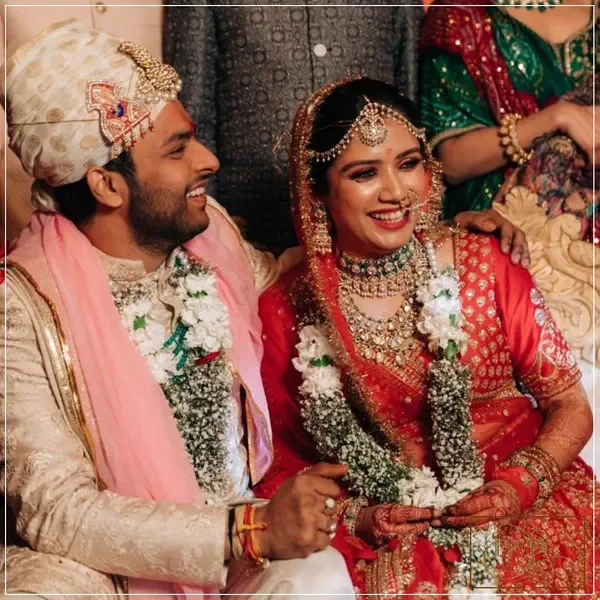
When I first started learning about Hindu weddings, I was struck by how every single ritual has a reason not just a cultural reason, but a deeply spiritual and psychological one. Nothing is arbitrary. Every flame lit, every vow spoken, every flower offered carries a meaning that has been passed down through thousands of years of wisdom.
If you are preparing for your own wedding or helping someone you love plan theirs, understanding these rituals can transform the experience from a beautiful performance into a genuinely sacred event.
The Core Rituals That Shape a Hindu Wedding
Ganesh Puja Beginning with Blessings
Before anything else begins, Lord Ganesha is invoked. He is the remover of obstacles, and no auspicious event in Hindu tradition begins without seeking his grace. This sets a tone of humility and devotion right from the start a reminder that this union is not just between two families, but between two souls asking the universe for support.
Tilak and Sagai The Formal Acceptance
The tilak ceremony marks the groom's formal acceptance into the bride's family. It is followed by the sagai or engagement, where rings are exchanged and the two families publicly commit to the alliance. This is the moment the wedding truly begins emotionally and socially.
Haldi Purification Through Turmeric
The haldi ceremony is one of the most joyful and visually stunning parts of a Hindu wedding. Turmeric paste is applied to both the bride and groom by their families. Turmeric has long been considered a purifying and auspicious herb in Ayurveda. On a deeper level, this ritual prepares the couple physically and spiritually for the transformation they are about to undergo.
Mehendi The Art of Love and Longing
Mehendi or henna is applied to the bride's hands and feet, often with the groom's name hidden within the intricate patterns. It is said that the deeper the color of the mehendi, the deeper the love the groom holds for her. Beyond superstition, mehendi is a celebration of femininity, creativity, and the joy of becoming a bride.
Baraat The Groom's Grand Arrival
The baraat is the groom's procession to the wedding venue, traditionally on a horse or in a decorated vehicle, surrounded by dancing family and friends. It is festive and loud deliberately so. It announces to the world that something extraordinary is about to happen. The bride's family welcomes the baraat with warmth, and this moment of two families meeting is deeply symbolic.
Jaimala The Garland Exchange
Also called varmala, this is the exchange of flower garlands between the bride and groom. It is their first public act of accepting each other as life partners. In many communities, this moment is playfully competitive the groom's family tries to lift him above the bride's reach, while her brothers try to lower him. It is joyful and human, a reminder that marriage is also about laughter.
Vivah Homa The Sacred Fire
The sacred fire, or homa, is the witness to all Hindu wedding rituals. The Agni fire is considered a god himself, and all vows made in his presence are considered eternal. The couple sits together and offers ghee, grain, and flowers into the fire while the priest chants Vedic mantras. Every offering symbolizes something: prosperity, health, devotion, and mutual respect.
Saptapadi The Seven Steps
The Saptapadi, or seven pheras, is the most sacred moment of a Hindu wedding. The couple takes seven steps together around the sacred fire, each step representing a vow for nourishment, strength, prosperity, happiness, children, health, and lifelong friendship. After the seventh step, the marriage is legally and spiritually complete.
Sindoor and Mangalsutra
The groom applies sindoor vermillion to the bride's hair parting and ties the mangalsutra around her neck. These two acts formally mark her as a married woman. They carry centuries of cultural weight and are considered among the most emotionally powerful moments of the entire ceremony.
Vidaai The Farewell
The vidaai is the bride's farewell from her parents' home. She throws rice over her shoulders as she leaves, symbolizing her gratitude and prayers for her family's prosperity even as she begins her new life. It is almost always accompanied by tears from the bride, her mother, her father. It is the most human moment in a ceremony full of divine symbolism.
What These Rituals Teach Us About Marriage
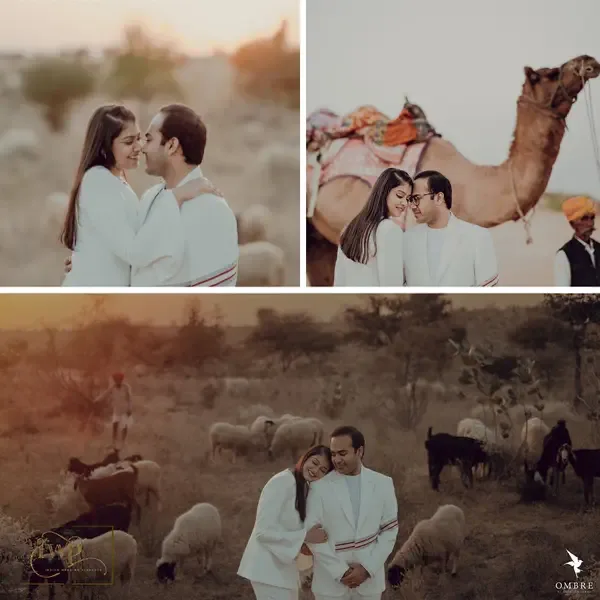
What strikes me most about Hindu wedding rituals is that they are designed to make the couple slow down. In a world that moves fast, these ceremonies ask you to sit, to breathe, to look into each other's eyes, to make promises in front of fire and family and God.
They are not obstacles to get through. They are the wedding itself.