



Matrimony Cities for Sunni Near New Delhi
Browse matrimony profiles by city for Sunni.
Sunni Muslim matrimonials in Delhi. Filter by community, faith, and education to help Muslim families find the ideal match. Search for a future partner today.
The only sub-community group in this slice is Sunni (5). In total, 5 profiles make up the Sunni in New Delhi slice on this page. Every profile on this page is a groom profile (5 in total). The average age is 35 years, with profiles ranging from 23–51 years old. Work profiles are led by Business / Self Employed.
Live insights derived from current profile data.
Browse matrimony profiles by city for Sunni.
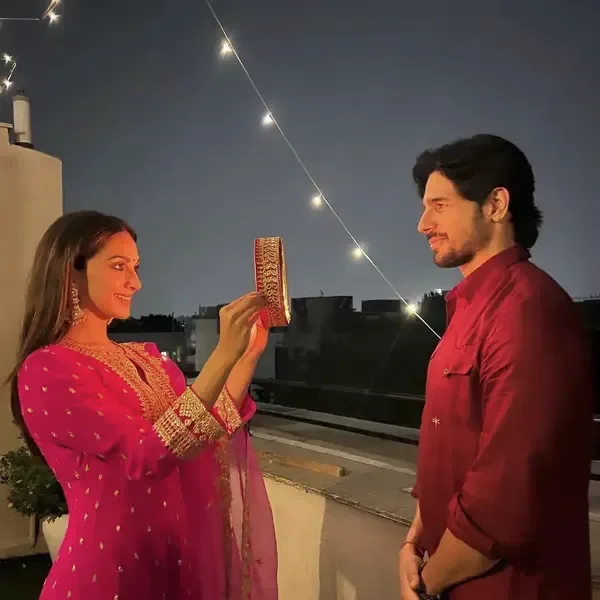
New Delhi's a mix of history and today. Stroll through Mughal lanes in Shahjahanabad, check out Jama Masjid with its markets, and catch the evening azan from the minarets. Then you’ve got the hustle of Muslim professionals in Vasant Kunj, Jamia Nagar, and Okhla. The Sunni community here is diverse—paying homage to tradition while looking to the future. Weddings happen in this blend of past and present.

The Sunni folks in Delhi come from all walks of life. You’ll find families of Shahi Imams, students from Zakir Nagar, alumni from Jamia Millia, industrialists in Okhla, plus professionals from Batla House and New Friends Colony. Each adds its flavor to Sunni identity through where they're from, their education, and connections within their community. They gather for Friday prayers and enjoy feasts during Ramzan in Old Delhi, strengthening family bonds that matter for marriages.
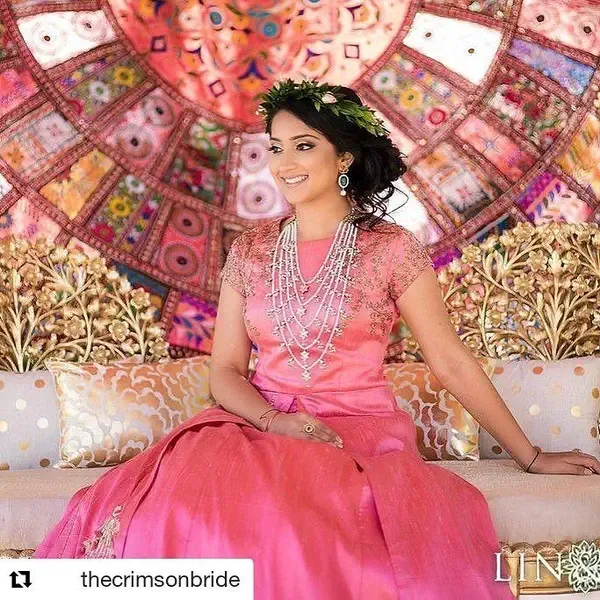
Weddings blend North Indian Muslim customs with local flair. At Rasm-e-Mehendi, artists come by as families belt out Urdu songs. Nikah can be at home or mosque with a Qazi using classical Arabic as family members lend an Urdu hand. Valima receptions usually happen at banquet halls in south Delhi or Agrawal Matrimony in East Delhi catering to Muslim weddings.
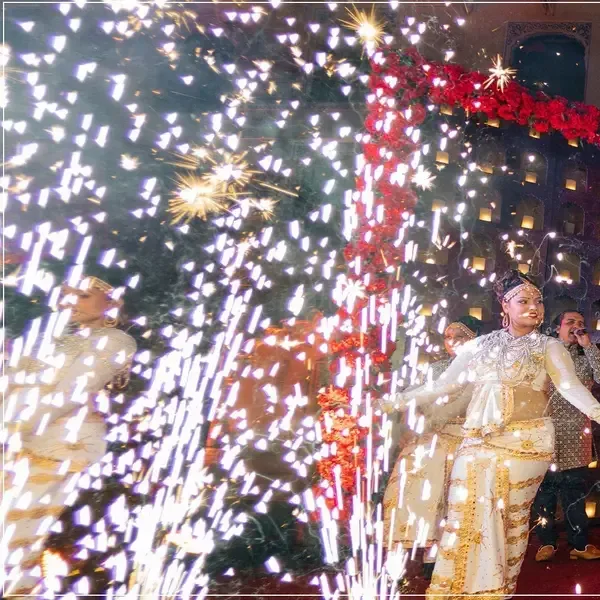
Sooni families often rely on structured methods for finding matches. Old-city folks tap into mosque networks or madrasa ties. Educated pros lean on JMI (Jamia Millia Islamia) connections. Community events by Sunni groups also help bring singles together. Now online platforms expand those networks too—connecting easily with people in places like Lucknow, Jat Matrimony in Aligarh, Hyderabad, and Mumbai.
When families meet for the first time here, it’s important—everyone shows up; no small talk here. People dress nicely. They discuss education, jobs, family histories, and faith practices. In conservative circles, brides might only chat with female relatives of the groom.

Family honor and faith are super important—education and job security follow closely behind. Commonly, households look for regular prayers or fasting during Ramzan; they care about good reputations just as much as wealth. Even modern families want these qualities along with solid careers.
If you're looking in Delhi, check out Old Delhi (Shahjahanabad), Zakir Nagar, Okhla, Jamia Nagar, Batla House, and Noor Nagar. Each of these spots has their own mosque and community networks. The newer areas like Jamia Nagar and Okhla have online groups too.
A Nikah is done by a licensed Qazi and needs witnesses from both families. They recite Quranic verses, agree on Mehr, and both the bride and groom say "I accept." In Delhi, these ceremonies usually happen at home, a mosque, or in a rented community hall.
Education is becoming a big deal in Delhi Sunni matrimonial circles. Degrees in fields like engineering, medicine, commerce, and law are really valued. Families in places like New Friends Colony and Vasant Kunj often want at least graduate-level education.
Sunni families in Delhi usually rely on their personal networks for background checks—they talk to mosque contacts, neighbors, and people who know the family. Before any formal meetings happen, they make sure to ask around in their social circles. Hearing about the family's reputation locally tends to carry more weight than official papers.
 Support
 App Store
 Play Store