Allahabad Sunni Matrimony Profiles
Showing 3+ verified profiles · Sunni · Allahabad · Allahabad
Explore Allahabad Sunni Matrimony Profiles in Allahabad with 3+ verified profiles on Corishta. From community filters to profile details, this page is built for serious matchmaking conversations.


Find Your Sunni Muslim Partner in Allahabad Matrimony
Sangam City, Sacred Bonds
Prayagraj, or Allahabad to some, mixes sacred moments with everyday life. For years, pilgrims have come to the Sangam where rivers meet. Chowk has that classic blend of ittar and biryani smells. Civil Lines is filled with old bungalows under banyan trees that tell stories about Nehru, Iqbal, and other thinkers. This city has layers of history, and its people take their time, valuing tradition.
The Sunni Muslim Community in Allahabad's Social World
The Sunni community here is economically diverse. You’ve got scholars and lawyers from families in Civil Lines, small traders in Attala or Kareli mohallas, government workers from Naini, and businessmen near Subzi Mandi. They share a strong bond to Islamic traditions that mix Deobandi and Barelwi influences creating a unique vibe. Their rituals are mostly in Urdu and follow the Islamic calendar.
Marriage Culture in Allahabad's Sunni Community
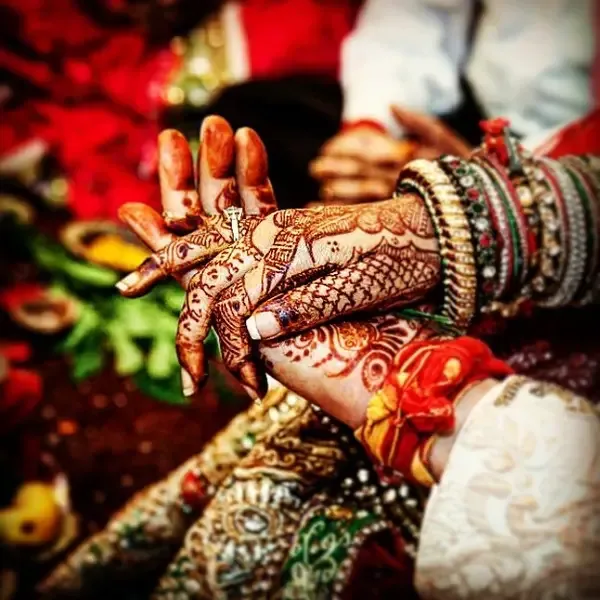
Weddings here stick to the Islamic nikah format but also include local customs. Mehendi and sangeet nights can get pretty elaborate. The baraat showing up for the walima—usually at a community hall in Kareli or a family home in Civil Lines—brings shahnai music and excited relatives. The nikah is led by a qazi who’s been doing this for generations. Then there’s the walima feast where even uninvited guests dive into the food.
Biradari and Matching Traditions
Biradari—kin groups—are key for marriages here. Families like Syed, Shaikh, Pathan, and Ansari usually want matches within their groups but they're flexible because education and character matter too. A family's reputation—how religious they are and their standing in the mohalla—is just as important as personal traits.
Education, the High Court, and Modern Allahabad
The Allahabad High Court has affected Muslim careers here for over a century. Legal families—lawyers and judges—have clout within the Sunni community; having one adds social prestige. Beyond law, Allahabad University churns out professionals in different fields like medicine and civil services. In matrimonial scenarios here, education goes hand-in-hand with deen (religion) and character.
What Allahabad Sunni Families Look For
Taqwa (faith) and character are priorities. No matter their economic standing in Allahabad; they check your religion along with family background before anything else matters. Then it’s education and earning potential. Young men often need professional degrees or solid business ideas now while women are pushed to have careers—but many families still expect them to manage home life.
The Texture of Daily Life and Matrimonial Meetings
Eid gatherings at Kareli’s Idgah Maidan draw many community members together. Milads at homes support introductions without much fuss. During Ramzan, neighbors hold iftars which help build informal matrimonial connections along with formal setups through elders or known intermediaries plus some online options for educated families too.
A City That Understands the Weight of Promises
This place gets it—when promises made come with good intentions rooted in tradition; they're serious. In this city—a meeting point of rivers—the Sunni marriage isn't just any contract; it’s about bringing together two people plus families backed by witnesses supported by community blessings too. This city moves slowly but values each word spoken or written; there's a rich history influencing how nikahs happen here! When two Prayagraj families step into this commitment vibe is respected because beginnings matter.
Allahabad - Location Map
Explore the area and discover matrimony profiles near Allahabad.
Allahabad Matrimony FAQs
Do biradari distinctions still matter for Sunni Muslim marriages in Allahabad?
Biradari is still a big deal for lots of families. Families like Syed, Shaikh, Pathan, and Ansari usually prefer their kids to marry within the same group. But these days, especially among educated and city-dwelling families, there's more flexibility if the person has good character and education.
What Islamic things are looked at for marriage matches in Allahabad's Sunni community?
Families look at how the person practices their faith, like praying Namaz, reading the Quran, and their general Islamic behavior. Community elders and informal chats help check out how religious the family is and how active they are in community events.
Do people in Allahabad still care about Urdu literacy when it comes to marriage?
Families with strong literary or scholarly backgrounds do value knowing Urdu. In general, though, many families just appreciate an understanding of the Urdu-Islamic heritage in Allahabad, even if you can't formally read or write it.
How do families in Allahabad usually check on the background of a potential Sunni Muslim match?
They often reach out to people in the person's neighborhood, use mosque connections, and get references from local community groups. Plus, well-known matrimonial sites with verified profiles are being used more and more.
Allahabad Matches Across Top Cities
Discover where Allahabad brides and grooms are most active so your matchmaking search stays focused and practical.
All cities include verified active profiles updated regularly.
 App Store
 Play Store
