New Delhi Muslim Matrimony Profiles
Showing 12+ verified profiles · Muslim · New Delhi · New Delhi
Corishta brings together 12+ verified options for New Delhi Muslim Matrimony Profiles in New Delhi. Whether families are browsing by community, city, or marriage intent, this section supports focused partner discovery.
Top Religions in New Delhi
City-focused religion hubs connected through published SEO pages.




🔒 View More Profiles
Register free to see full profiles, contact details, and photos.
- or -



Delhi Muslim Matrimony – Find Love & Faith in New Delhi
Between Jama Masjid and Janpath
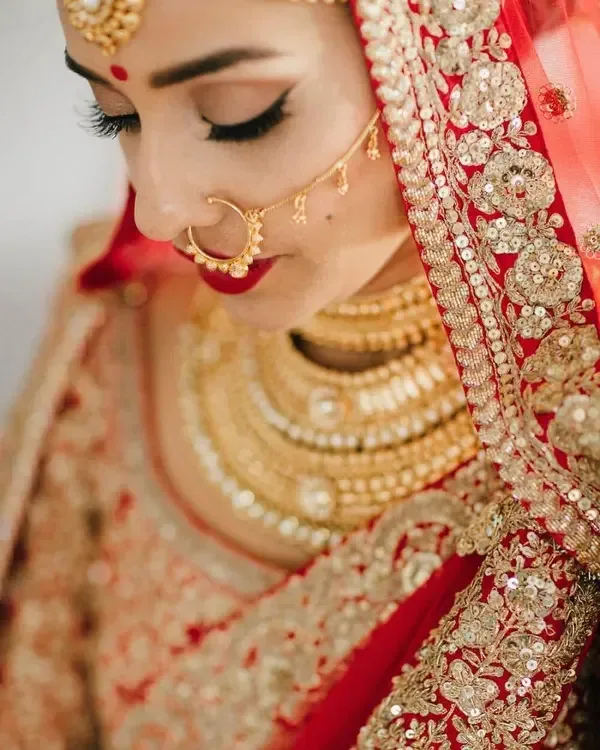
The Muslim community in New Delhi mixes history with today. Shahjahanabad has its old mosques and Mughal buildings. That’s the past. In newer spots like Lodhi Colony or Zakir Nagar, you’ve got students and pros living life while businesses are ticking in Karol Bagh.
Getting hitched here means more. For local Muslim families, it’s not just legal—it feels sacred. A nikah is a religious thing done before family and friends, so choosing a partner carries real weight.
The Identity of New Delhi's Muslim Community
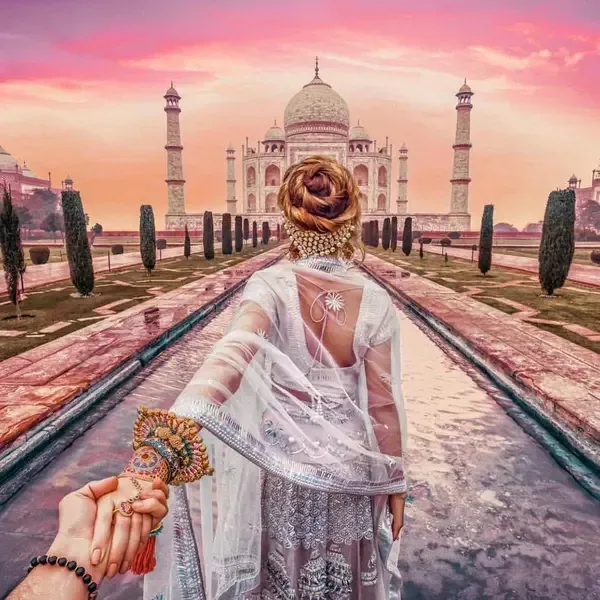
Delhi’s Muslim community is diverse. You’ve got groups like Syed, Sheikh, Mughal, and Pathan with deep-rooted matrimonial identities. Then there’re Ajlaf links from Ansari families to newer arrivals from UP and Bihar who mix things up.
Despite their differences, they unite through faith. Jumma prayers at Jama Masjid draw crowds. During Ramadan, iftaar dinners unite everyone over food, while Eid celebrations bring joy to the streets. Their faith binds them in ways words can’t capture.
The Structure of Muslim Matrimony in New Delhi
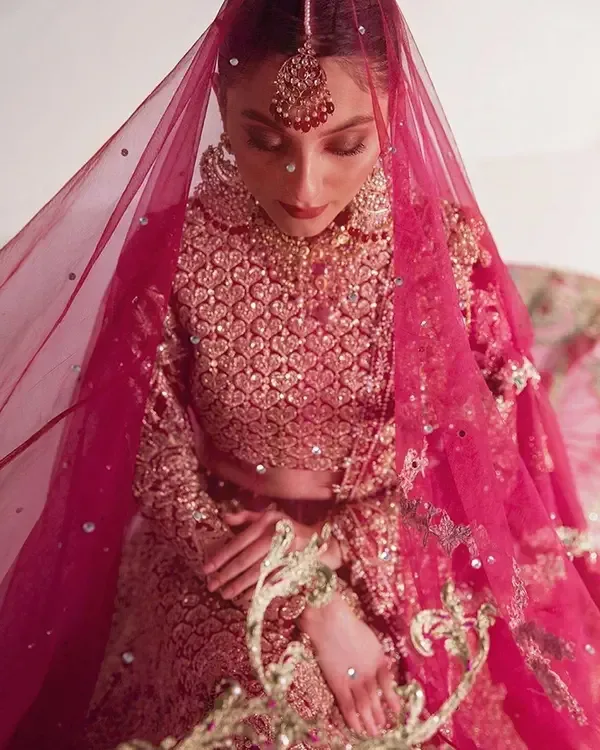
Muslim matrimony here usually sticks to traditional nikah, honoring local customs. It starts with families; parents focus on deen (faith), then character, before career or education status.
- Istikhara: They pray for guidance before matches are made.
- Rishta introduction: This is when families meet officially for the first time.
- Meher discussion: They talk about the wedding gift during planning.
- Nikah ceremony: A qazi leads this part with ijab-o-qubool seen by all.
- Walima feast: The groom’s family hosts a meal—it’s both tradition and fun.
What New Delhi Muslim Families Look For
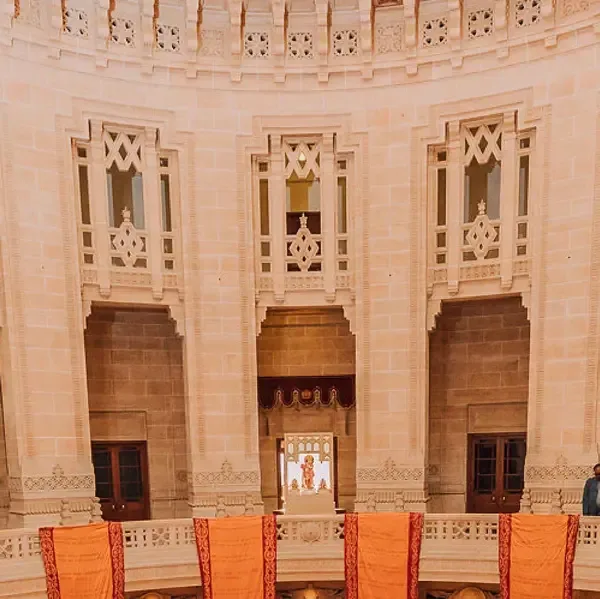
Families usually kick things off by asking about deen—are they practicing? Do they pray? Real dedication to Islamic values matters more than surface stuff. After that, family background and character are considered before they look at career or school info.
If you're in places like Lodhi Road or Defence Colony where many professionals are found, the view widens: faith's still key but there’s also a focus on education fit and gender roles. The best match feels rooted in Islamic beliefs but also fits into professional life here.
The Social World of Delhi's Muslim Matrimony
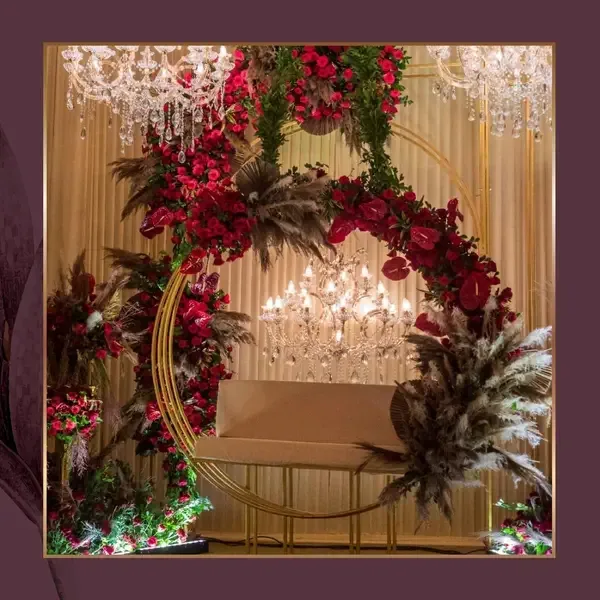
Friday prayers at Jama Masjid gather various classes; it connects families who might be strangers otherwise. Ramadan iftaar or community events are good spots to meet potential partners. Madrasa networks and Islamic institutions pull communities together showing solidarity among Muslims citywide.
Online matchmaking has caught on bigtime in New Delhi. Profiles share details like sect (Sunni or Shia) and how religious one is—crucial for finding matches today compared to classic meetups.
Delhi - Location Map
Explore the area and discover matrimony profiles near Delhi.
New Delhi Matrimony FAQs
Which Muslim communities in New Delhi are really active in matrimony?
In New Delhi, you've got Ashraf communities like Syed, Sheikh, Mughal, and Pathan with their own marriage traditions. Then there are the Ansari, Qureshi, and other Ajlaf communities. Folks who have recently moved from UP and Bihar are also pretty involved. Each group has its own way of doing things but they all stick to the same Islamic values.
How do Muslim families in Delhi usually set up a nikah ceremony?
A qazi performs the nikah, with the bride and groom agreeing to the marriage (ijab-o-qubool) in front of family witnesses. They also agree on the meher, which is a bridal gift, before the ceremony. Some families have a straightforward ceremony, while others make it more elaborate, but they stick to both spiritual and legal traditions.
How much does sect or maslak matter in Delhi Muslim marriages?
For many families, it's important to stick with the same sect, like Sunni or Shia. Among Sunnis, traditional families often look at maslak too, like Barelvi, Deobandi, or Ahle Hadith. But educated folks in cities are usually more open, focusing on the person's character and faith practice rather than specific maslak.
Are more Muslim women in New Delhi speaking up about what they want in marriage?
Yep. More educated Muslim women in places like Delhi and especially around New Delhi, such as those attending Jamia Millia and similar universities, are being upfront about wanting partners who support their careers, share housework, and respect both their faith and careers. Educated families are usually on board with these wants.
How do online matrimonial sites help Muslims in Delhi?
These platforms let families narrow down potential matches based on community, sect, religious habits, and education. It's a way to search that goes beyond what local networks can offer, especially if you're looking outside your usual area or social group.
 App Store
 Play Store
