Rajput Hindu in Bikaner Matrimony Profiles
Showing 2+ verified profiles · Hindu · Rajput · Bikaner
Browse 2+ verified Rajput Hindu in Bikaner Matrimony Profiles on Corishta. Families exploring suitable matches in Bikaner can review active profiles, shortlist preferences, and connect with genuine members.
Rajput Matrimony in Bikaner | Desert Clan Alliances
Sand, Sword, and Sacred Vows: Rajput Matrimony in Bikaner

Bikaner is a city that does not apologize for its intensity. The Thar Desert surrounds it with a kind of proud severity, and the Rajput families here have absorbed that character over centuries direct, disciplined, deeply loyal to their clan. When a Bikaner Rajput family begins the search for a matrimonial alliance, it is not a casual exercise. It is a matter of family honour, carefully managed and publicly consequential. The city's havelis still carry painted murals of royal ancestors, and the consciousness of lineage is not a tradition held in museum glass it is alive in every kitchen, every courtyard, every morning prayer.
The Clan Culture of Bikaner's Rajput Families

Bikaner was founded by Rao Bika in 1488 and has been a Rajput stronghold ever since. The dominant clans in and around Bikaner Rathore, Bhati, Shekhawat, and Rajvi families maintain strong internal cohesion. Matrimonial alliances between these clans require careful navigation of relationships some traditional rivalries between clans still influence alliance decisions in older, more conservative families, while younger educated families are more flexible.
The male elder of a Bikaner Rajput family often a retired army officer, a farmer, or a businessman typically serves as the family's matrimonial decision-maker. He will assess the prospective match not by the boy's job title but by asking: is this family known to us? Do they maintain their word? Have they kept their honour intact? These questions, seemingly old-fashioned, are asked sincerely and answered carefully.
Marriage Customs in the Desert Tradition

Rajput weddings in Bikaner are spectacular in their cultural expression and disciplined in their ritual structure. The desert city has a strong tradition of performing weddings in the cooler winter months October through February when the harsh heat retreats. Key ceremonies include:
- Tilak (Sagai) The formal engagement ceremony where the groom's forehead is marked by the bride's family, establishing the alliance publicly
- Baan A pre-wedding ritual where turmeric paste is applied to the groom by male relatives while folk songs are sung; it is a distinctly masculine ceremony, different from the gentler Haldi rituals in other regions
- Baraat Procession The groom arrives on a decorated camel or horse, with music from a nagada (large drum ensemble) that echoes across the neighbourhood in a way no DJ speaker can replicate
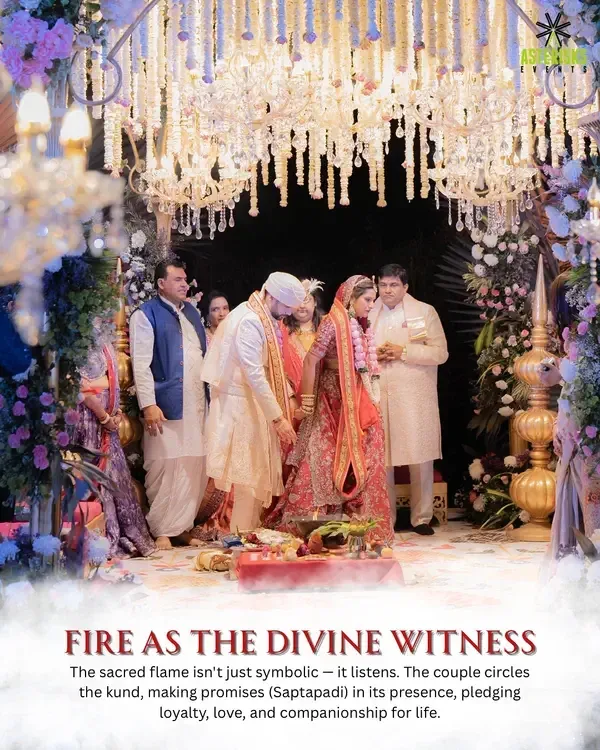
- Pheras and Kanyadan Conducted with Vedic precision, the seven pheras are taken with full ritual fire and the recitation of clan-specific blessings by the family priest
- Muklawa (Gauna) In some traditional Bikaner families, the bride formally joins the groom's household after a waiting period, a custom that is now more symbolic than literal
The Bikaner Rajput Matrimonial Wishlist
Bikaner's Rajput families are deeply proud of their military heritage the city sent soldiers to both World Wars, and many families have a tradition of army or BSF service that spans three generations. A groom who serves in the Indian Army, the Border Security Force, or the CRPF carries enormous social prestige in this community. Second in preference is government administrative service, followed by farming with significant land holdings.
For the bride, the family's social standing in the community matters enormously. A girl who has been raised in a household where the kuldevi puja is maintained, where she knows how to host a full ceremony, and who has completed her education without abandoning her family duties is considered ideal. The concept of maryada dignity, propriety is central to what Bikaner families expect from a daughter-in-law.
How the Desert Environment Shapes Matrimonial Culture
Bikaner's relative geographic isolation has historically made it a close-knit matrimonial network. Families know each other across multiple generations, and word-of-mouth reputation travels fast across the city's Rajput samaj. At community gatherings during Gangaur, Teej, and the annual Bikaner Camel Festival, families observe each other, and matrimonial conversations that begin over camel-milk tea often lead to formal alliances months later.
Digital matrimonial platforms are now used, particularly by the younger generation in Bikaner who have studied in Jaipur or Delhi. But the final call almost always comes back to the desert city to the family home, to the elder's assessment, to the question of whether this alliance will honour or diminish the family name. In Bikaner, that question is never rhetorical.
Bikaner - Location Map
Explore the area and discover matrimony profiles near Bikaner.
Rajput Matrimony FAQs
Which Rajput clans are prominent in Bikaner's matrimonial community?
The Rathore, Bhati, Shekhawat, and Rajvi clans have historically dominant presence in Bikaner. Matrimonial alliances are most easily formed within these recognized clans, with inter-clan marriages also occurring with proper lineage verification.
What professions carry the most prestige for Rajput grooms in Bikaner?
Military service — Indian Army, BSF, or CRPF — carries the highest prestige. Government administrative positions and farming with significant land holdings are also highly respected.
How does the kuldevi tradition work in Bikaner Rajput weddings?
Before finalizing any alliance, both families visit their kuldevi temple to seek blessings. The kuldevi is the clan goddess — each Rajput clan has its own deity — and her blessings are considered essential before proceeding with any wedding rituals.
Are cross-city Rajput alliances common from Bikaner?
Yes, particularly with Jodhpur, Jaisalmer, Nagaur, and Jaipur — all part of the historical Rathore and Rajput social geography. Alliances with Rajput families in Delhi and Chandigarh are also increasingly common.
How are weddings different in Bikaner compared to more urbanized Rajput communities?
Bikaner weddings are more community-oriented and ceremonially elaborate. The baraat procession with nagada drums and camel or horse mounts is a distinctive feature, and pre-wedding rituals like the Baan ceremony reflect the city's distinctly desert-Rajput cultural tradition.
Find Rajput Hindu Matches
Rajput Matches Across Top Cities
Discover where Rajput brides and grooms are most active so your matchmaking search stays focused and practical.
All cities include verified active profiles updated regularly.