Maratha Hindu Matrimony Profiles in Satara
Showing 6+ verified profiles · Hindu · Maratha · Satara
Browse 6+ verified Maratha Hindu Matrimony Profiles in Satara on Corishta. Families exploring suitable matches in Satara can review active profiles, shortlist preferences, and connect with genuine members.

🔒 View More Profiles
Register free to see full profiles, contact details, and photos.
- or -


Satara’s Maratha Matrimony – Proud Warrior Heritage, Royal Roots
Satara Where Maratha Identity Has Its Deepest Roots

Satara's all about Maratha identity. It’s not just a city; it’s built on their legacy. Chhatrapati Shivaji Maharaj's descendants ruled from here. At Pratapgad Fort, Shivaji met Afzal Khan, shifting Deccan history. Those old wadas, homes of Maratha families, still stand in Satara, their carved wooden pillars and inner courtyards reminding us of a strong culture.
For Maratha families here, especially those outside the 96 Kuli group, marriage is a celebration of this heritage. Unlike city dwellers like in Mumbai or Navi Mumbai, Satara families uphold their identity firmly, anchored in their cultural roots.
The Satara Maratha's Matrimonial World
Matrimony among Satara’s Marathas follows a strong social setup. Elders and family friends lead the way, knowing where to find matches across places like Satara city, Karad, Phaltan, Wai, and nearby villages. The community’s large enough for good matches but tight enough that everyone knows each other well.
Your village roots matter when it comes to marriage. Even if folks move to city life in Satara, they stick close to their origins—including kuladevata temples and family reputation. A match between two respected families is seen seriously.
What Maratha Families in Satara Seek in Matrimonial Alliances
- Family reputation within Satara's network
- Government positions respect for defence and police roles
- Agricultural land or a stable family business matters
- Gotra compatibility through family history checks
- Health and vitality reflecting tradition
- Education bachelor’s to professional degrees are common
- Cultural observance like kuladevata worship, Ganesh festival stuff matters
Festivals and the Satara Matrimonial Season

Navratri brings visits to kuladevata temples and clan gatherings—ideal for matrimonial networking. Families who worship the same Devi usually know each other well; it helps trust during discussions about relationships.
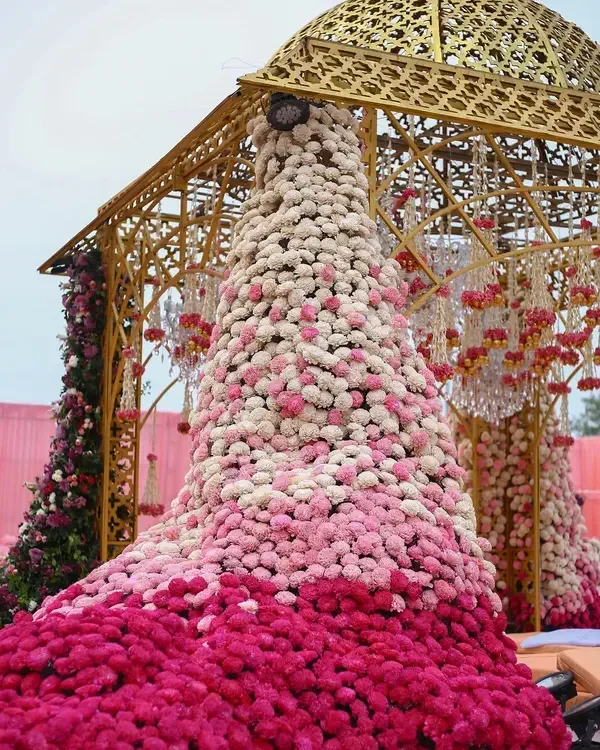
The local food shows off flavors—jowar bhakri, mutton curry, sol kadhi mixed with Konkan dishes fill wedding tables. Weddings are big deals highlighting hospitality with traditional songs that show cultural pride.
Finding Your Match in Satara's Maratha Heritage Community
Our platform connects real Maratha families through Satara city and district with profiles that honor community heritage, verifying credentials while showcasing what makes Satara's Maratha identity stand out. In this historic place, your search for a match should kick off right.
Satara - Location Map
Explore the area and discover matrimony profiles near Satara.
Maratha Matrimony FAQs
What's the difference between Maratha matrimony and the 96 Kuli Maratha group in Satara?
The Maratha community in Satara’s a big group, but the 96 Kuli Maratha group specifically refers to 96 Kshatriya clans. Both are proud of being Maratha, but the 96 Kuli group checks family lineage more strictly. Regular Maratha matrimony cares more about social status, gotra, and family reputation.
What kind of government jobs are respected in Satara Maratha marriage choices?
Jobs in defense, the police, and civil administration are really appreciated. Satara has a long military service tradition, so families with a defense officer background get special recognition. Owning agricultural land counts too.
How does the original village play into Satara Maratha marriage choices?
It plays a big role. Satara families, even those in the city, still feel a strong tie to their ancestral village. This is where their family deity’s temple and their community reputation are based. A family known for good standing in their village is often seen as a trustworthy match for marriage.
Do Satara Maratha families often find matches in other western Maharashtra districts?
Yes, they do. Families from Satara often look for matches in Kolhapur, Sangli, Solapur, and Pune. They all share the Maratha culture, so it feels natural to have ties with those areas.
How has education affected marriage expectations in Satara's Maratha community?
Education is now a big deal when it comes to choosing a partner. Young families especially are focusing on it. Besides the usual government job appeal, people going into fields like civil service, medicine, and engineering are also highly regarded. Community identity still plays a big role too though.
Find Maratha Hindu Matches
Find Maratha Brides & Grooms in Major Cities
Explore city-wise matchmaking options for Maratha to shortlist compatible profiles for marriage in active local hubs.
City pages are refreshed with active profile availability for reliable matchmaking discovery.
 App Store
 Play Store
