Kolhapur Hindu Matrimony Profiles
Showing 12+ verified profiles · Hindu · Kolhapur · Kolhapur
Explore Kolhapur Hindu Matrimony Profiles in Kolhapur with 12+ verified profiles on Corishta. From community filters to profile details, this page is built for serious matchmaking conversations.
Top Religions in Kolhapur
City-focused religion hubs connected through published SEO pages.

🔒 View More Profiles
Register free to see full profiles, contact details, and photos.
- or -



Kolhapur Hindu Matrimony - Graceful Unions of Warrior Heritage
The City of Ambabai and Ancient Pride
Kolhapur's got this vibe with the smell of kolhapuri misal and temple bells ringing from Mahalaxmi temple. More than just a place, it's a cultural spot with its own flavor. Living in Kolhapur gives Hindu families a pride that shows when they look for partners.
Being near Karnataka adds a twist to its culture, different from Pune or Mumbai. The Marathi here feels special. The food’s definitely spicier. People are direct, maybe too much sometimes. There's deep loyalty to community and temples. Finding a match here means connecting with someone shaped by Kolhapur.
The Social Fabric of Kolhapur's Hindu Community
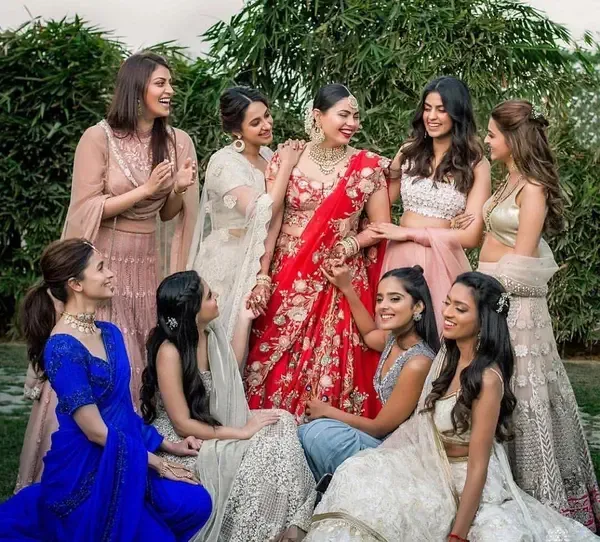
Kolhapur's Hindu community has roots in Maratha traditions and some Lingayat influence from Karnataka. Groups like Gavli, Jain, Brahmin, and Shimpi communities have their own wedding circles. Mahalaxmi temple is both religious and a gathering spot.
This area is famous for wrestling (kushti), leather work, making chappals, and sugar business. These crafts create hardworking artisans who take pride in their work but also have an eye for pretense. Wealthy locals often connect with the sugar trade or land ownership, leading to different social groups than professionals or artisans.
Marriage Traditions in Kolhapur
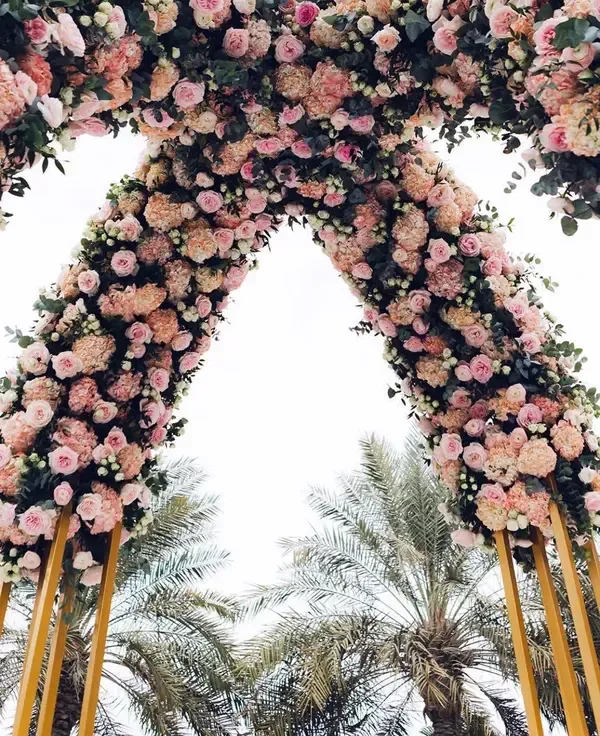
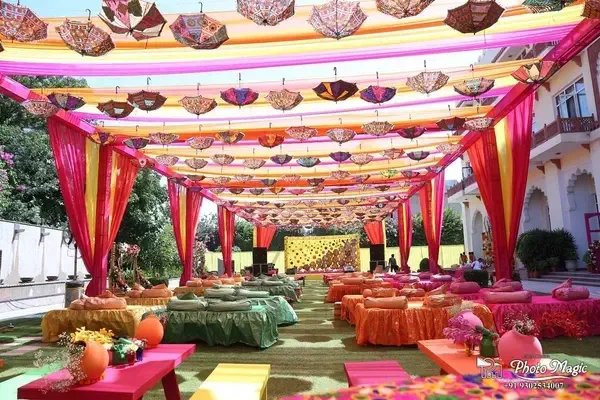
Weddings stick to Maratha customs but have local twists. Women wear striking nine-yard Kolhapuri sarees (nauvari). Grooms often don colorful fetas tied traditionally. And the wedding feast means something—a lot about family status is shared through what's served.
- Sakhar puda: Simple engagement ceremony with both families involved
- Haldi and navashastra: Pre-wedding events where community gets involved
- Nauvari saree ceremony: Bride shows herself in her nine-yard saree—big deal
- Pheras with Marathi rituals: Wedding done in Marathi using Vedic chants
- Kolhapuri feast: Tambda rassa, pandhra rassa, plus jaggery dishes
What Kolhapur Families Look For
When looking for matches, families in Kolhapur cut to the chase. They ask: what does this person do? What’s their family like? Do they own anything? What's their character like? Education’s key—engineering or pharmacy degrees earn respect. A job at a sugar factory signals prestige.
Kolhapuri women are known for being strong-willed and opinionated. They understand their worth and expect that respect from partners. Their blend of wrestling culture with royal history brings dignity—not arrogance—to how they stand.
From the Mahalaxmi Temple to the Matrimonial Portal
A lot of matchmaking happens through community ties linked to temples or sugar cooperatives. Younger folks heading to Pune, Bangalore, or Mumbai often look online for others who vibe with the Kolhapuri way—like why they call moms every evening or want tambda rassa when home. It’s about understanding cultural nuances.
Kolhapur - Location Map
Explore the area and discover matrimony profiles near Kolhapur.
Kolhapur Matrimony FAQs
Who are the main communities active in Kolhapur Hindu matrimony?
Maratha and 96 Kuli Maratha families are the biggest players. You'll also find Lingayat, Gavli, Brahmin, and Jain communities in the mix. They all have their own networks, but people often end up mingling at temple events and festivals in town.
How does the Mahalaxmi temple fit into life in Kolhapur?
The Mahalaxmi (Ambabai) temple is a big deal in Kolhapur, acting like the heart of the community. Festivals tied to the temple bring everyone together, making it easy for families to mingle and even chat about marriage plans.
What are some unique marriage traditions in Kolhapur?
In Kolhapur weddings, you'll see the bride in a special nine-yard Kolhapuri nauvari saree, and the groom wearing a Kolhapuri-style feta turban. Expect a big feast with dishes like tambda and pandhra rassa, plus lots of community involvement during all the ceremonies before and on the wedding day.
What's the usual way Kolhapur families handle matrimonial meetings?
Families in Kolhapur usually meet up at the bride's place or a temple after they’ve checked out the kundalis and backgrounds. Both sets of parents are there, and they get straight to the point. People here aren’t into beating around the bush—everyone knows what’s expected right away.
Do people in other cities in Maharashtra look for Kolhapur matches often?
Yep, they do. It's pretty common to find matches from Sangli, Satara, Pune, and Solapur. Kolhapur families in Pune or Bangalore also look for matches using community networks or online sites. What really matters is finding someone with similar values, not so much the distance.
 App Store
 Play Store
