Brahmin Hindi Bhashi Matrimony in Chandauli
The Hindi Bhashi Brahmin community in Chandauli is distinct in eastern Uttar Pradesh. They have a strong connection to the Hindi language, blending their heritage with both Shaiva and Vaishnava beliefs. Plus, they come from a solid educational tradition stemming from Varanasi. You can see how these families genuinely value knowledge, like when they read the Ramacharitmanas together, and it’s common for kids to learn and memorize Sanskrit shlokas. Weddings are treated like huge events, filled with family importance and community joy.
This community builds its identity on language and their culture too—not just on caste or social standing. Many of these Brahmin families find careers as teachers, priests, writers, or leaders within their communities. Their ties to Banaras Hindu University really shine through as does their involvement in government jobs scattered across eastern Uttar Pradesh, affecting the way they view marriage traditions and practices.
Marriage Culture and the Varanasi Influence
When talking about marriage, families in the Hindi Bhashi Brahmin circle here pull a lot from nearby Varanasi. There’s a strong expectation that both education—be it classical learning or modern understanding—is essential for anyone considered for marriage. Men who’ve studied at BHU or women diving into classical Sanskrit texts while also taking care of home responsibilities are seen as great matches. This all emphasizes building on their well-established cultural framework.
The initial meetings stick to Brahmin customs but often reflect some practices from Varanasi too. You’ll find tea served in rooms adorned with family photos alongside images of Saraswati and Shiva, showcasing their rich identity. Conversations happen in polished Hindi, which really reinforces their cultural stance. They start talks after verifying gotra—they usually swap educational backgrounds and social standings gracefully; this part is a key aspect of life for Ganga plains Brahmins, pretty much part of their tradition.
Professional Expectations
In these households, doing well academically and holding government positions holds significant weight. Many ideal prospects either work at BHU or maintain connections to Varanasi in some way. Securing a government job via UPSC or other competitive exams? That’s definitely hailed as a big achievement. When there’s a son working as a Hindi lecturer or acting as a revenue officer, you can bet that brings pride throughout the community—it’s a treasured accomplishment.
For brides, the spotlight isn’t solely on education; cultural knowledge matters too. They’re expected to communicate effortlessly in Hindi and be familiar with key Hindu texts—like the Ramayana—and have qualities that make leading an educated Brahmin household feel right for them. Degrees from Banaras Hindu University or Allahabad University count for a lot here; having an M.A. in subjects like Hindi, Sanskrit, or Philosophy? That really earns respect around these parts.
Festival Culture and Its Matrimonial Role
Cultural festivals among Brahmins such as Navratri, Shivratri, Teej, and Ganesh Chaturthi play vital roles when it comes to networking for matrimony in eastern UP. Hindi Bhashi Brahmin families participate not just for spiritual grounds but also because it fulfills social obligations really crucial for reinforcing bonds—and trust is essential when we talk about marriages here.
Wedding Traditions
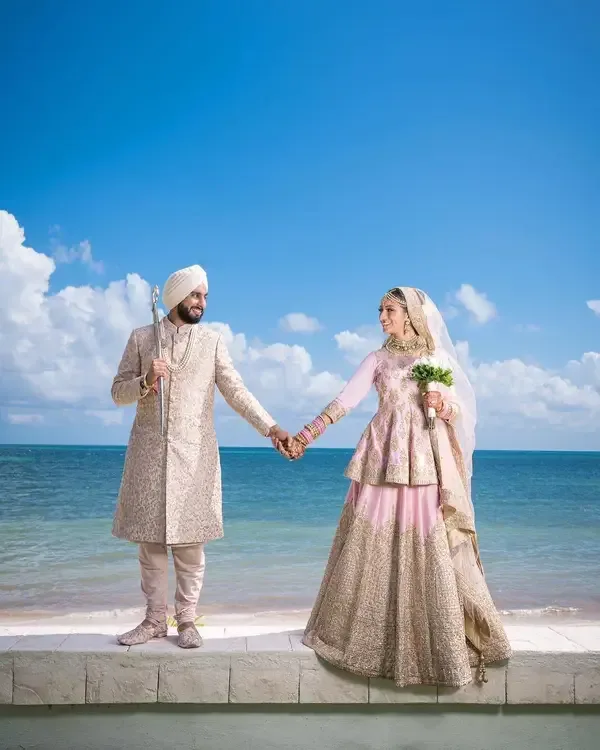
Weddings among the Hindi Bhashi Brahmins in Chandauli showcase deep seriousness closely linked to what you'd see in Varanasi—following thorough Vedic rites with qualified pandits chanting Sanskrit verses; they include all sixteen steps found within Vivah Sanskar ceremonies too. Events such as the Tilak ceremony ahead of the marriage date, Kanya Pujan ritual honoring the bride's potential future role in her new life, Saptapadi—the seven steps taken by the couple—and Vidaai where family members bid farewell are heartfelt gatherings bringing everyone together. Meals served during celebrations tend to be vegetarian—think puri-kachori paired with dum aloo—but desserts like kheer alongside Banarasi peda and laddoos make appearances as favorites too! As for music? It features charming classical thumri rhythms or bhajans combined with sacred folk songs sung by community women throughout those vibrant wedding nights.
 App Store
 Play Store
