Agarwal Matrimony Profiles
Showing 2+ verified profiles · Agarwal
Browse 2+ verified Agarwal Matrimony Profiles on Corishta. Families exploring suitable matches can review active profiles, shortlist preferences, and connect with genuine members.


Agarwal Matrimony: Blend of Business Acumen & Family Heritage
Eighteen Families, One Vision
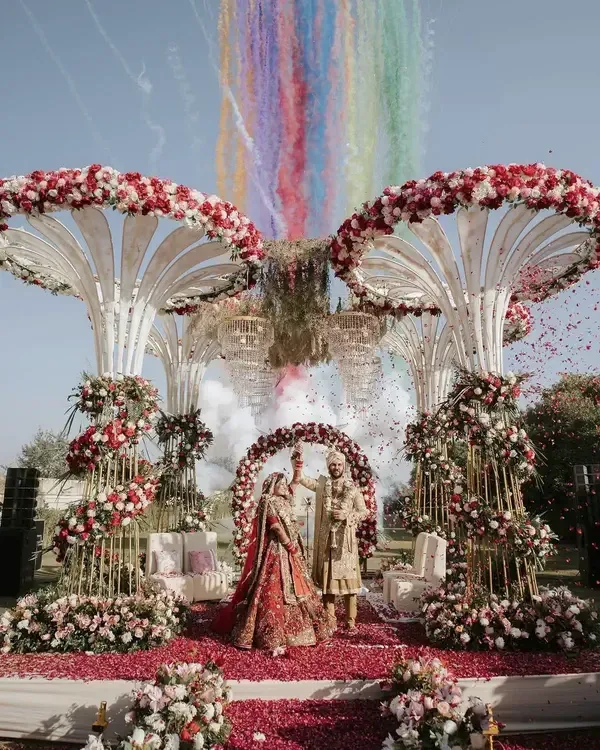
The Agarwal community traces its roots back to Maharaja Agrasena from Agroha. He divided his kingdom into eighteen clans, each with its own last name, all working together for the benefit of everyone involved. Whether you see this as history or legend doesn't really matter; what’s clear is that Agarwals take on responsibilities seriously. They believe personal wealth isn’t just about individual gain but is most valuable when it contributes positively to the entire community.
You’ll see this reflected in their everyday lives – especially in the gurudwaras and temples that they build, along with their ongoing charitable efforts. Whenever an elder retires, they don’t just walk away; instead, they step in to mentor younger family members to help them connect and navigate important deals.
Business as a Family Language
When it’s time for Agarwal family dinners, guess what? The main topic always tends to be business. The family business isn’t off-limits—everyone's involved. Kids pick up lessons about profit margins and managing inventory way before they even hit the books hard in school. By the time they're looking for potential partners in life, they’ve already managed key responsibilities like running a branch on their own.
This skill set around commerce really makes Agarwals appealing when it comes to marriage. Future partners can discuss financial matters openly—not just pie-in-the-sky dreams—but real discussions based on actual figures. Financial disagreements? They handle those just like any other business issue: look at the numbers first and work to resolve any conflicts.
The Meeting of Families: Due Diligence and Warmth
Matrimonial meetings tend to happen quickly. Within about twenty minutes or so, families figure out each other's business backgrounds along with financial details. It might sound somewhat blunt, but that's just how things get settled efficiently. It’s kind of a blend between credit checks and character screenings.
And there’s still a lot of warmth in these encounters too. Good snacks are crucial; after all, Agarwal families really love their food. Conversations flow from dry stats into engaging family stories—especially those that involve the young ones coming into play. Elders often choose to hang back so the couple gets some private time together, which shows faith in their ability to take charge.
The Agarwal Wedding: Scale, Tradition, and Specific Joy
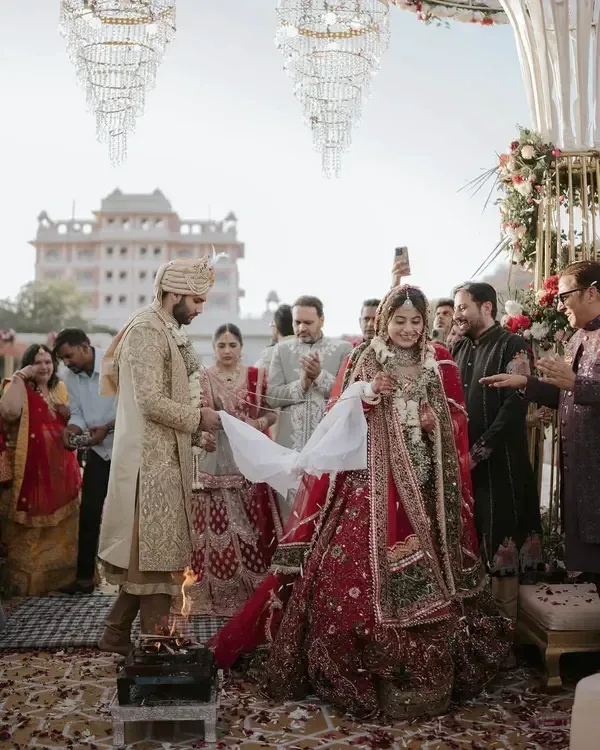
An Agarwal wedding is full of joy with beautiful richness without being over-the-top showy. The food? Absolutely incredible—especially those sweets stemming from their long-standing traditions of making them. They stick closely to rituals too. Guest lists can swell quite large due to years of extensive networking.
Main rituals feature saat pheras, jaimala, and kanyadaan—all kept strictly true to their specific traditions, which may differ from some other Hindu customs you might know of. Once the couple gets married, the first stop is often a visit to the family's mandir to collect blessings before moving ahead.
What Modern Agarwal Families Seek in a Match
The criteria have definitely changed over time while core values hold strong as ever. These days, Agarwal families search for partners who have a solid understanding of finance, are driven in their careers, and truly value family life balance. The old idea that you just needed someone at home is passing away; nowadays it's increasingly great if daughters-in-law also have jobs and are actively pursuing careers too.
Boys need to keep that entrepreneurial spirit alive either within the family business or by venturing out themselves into new opportunities altogether. A partner who knows how to manage business risks while also being really competent in her own field—that’s seen as ideal for today’s values.
- Eighteen gotra surnames point back to distinct lineages originating from original clans.
- Charitable giving alongside community building plays a big part of what makes up the Agarwal identity.
- A focus on business savvy traits is something heavily valued in future partners.
- Sweets are key players during weddings and festive gatherings no matter the occasion.
- Mandir visits serve as grounding practices for their spiritual routines.
Agarwal Matrimony FAQs
What are the eighteen gotras in the Agarwal community?
The eighteen gotras come from Maharaja Agrasena's eighteen sons. Some of them are Garg, Goyal, Jindal, Bansal, Singhal, and Mittal. People usually avoid marrying someone from the same gotra. So families often check gotras pretty early on when discussing marriages.
How important is it for someone to have a business background in an Agarwal marriage match?
It's pretty important. Having any business experience, whether it's in old-school trading, running a factory, or starting new ventures, can show that the person fits in culturally and gets money stuff. People with regular jobs, especially those in corporate or financial roles, are getting more accepted too. What really matters is having a smart approach to work and money.
How do the community dharamshala and mandir fit into Agarwal life?
Most Agarwal communities have a shared dharamshala and mandir in town. They’re used for religious, social, and charity events. Folks often celebrate parts of weddings there too. How much a family gives to these places affects their reputation in the community.
How do Agarwal families manage wedding costs?
Agarwal weddings can be pretty big, but they avoid going into debt just to show off. Families usually match the wedding to what they can really afford. It's more about making real connections than trying to impress people.
Where Agarwal Matrimony Matches Are Growing: top Indian states
Families searching for Agarwal matrimony often prefer matches by language, lifestyle, and nearby regions; these state clusters highlight where most active options are available.
No state-level distribution available yet.
 App Store
 Play Store
