Welcome to Corishta
Free Matrimony
Find a Soulmate
We help you discover genuine marriage profiles with transparency, simplicity, and trust no hidden subscriptions, no time-wasting.

Active Members Finding Love
Real profiles from our community, verified and authentic
Sarang M.
Saptarshi P.
Sunil G.
Avinash K.
Farlin T.
Samriti S.
Tani K.
Mahima Y.
Real Success Stories from Our Community
Thousands have found their perfect life partner through Corishta
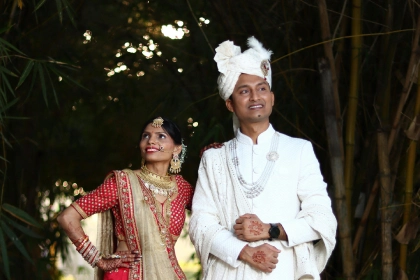
Aarav & Meera
Connected through verified profiles and shared values. Their marriage celebrates cultural traditions with genuine compatibility from Pune.

Imran & Zoya
Connected through verified profiles and shared values. Their marriage celebrates cultural traditions with genuine compatibility from Hyderabad.

David & Elina
Connected through verified profiles and shared values. Their marriage celebrates cultural traditions with genuine compatibility from Bengaluru.
Matrimony Search Anywhere, Anytime
Download the Corishta app for instant match alerts, secure messaging, and personalized recommendations. Same free experience on mobile.
Why Thousands Trust Corishta
Built for secure, genuine matrimonial connections with verified members
Manual Profile Verification
Every profile verified within 4 hours. We check authenticity, photos, and details to eliminate fake accounts.
100% Forever Free
No hidden subscriptions, no mandatory payments. Profile creation, browsing, messaging—all completely free.
Data Security First
Military-grade encryption, SSL certified servers, and strict privacy policies. Your information never sold to third parties.
500+ Community Support
Hindu, Muslim, Christian, Sikh, Jain, Buddhist, Brahmin, Rajput, Vaishya, and 490+ more communities served.
Browse Matrimonial Profiles By Community
Explore all religions, castes, regions, and professions
Religion
Hindu Matrimony
Muslim Matrimony
Christian Matrimony
Jain Matrimony
Sikh Matrimony
Buddhist Matrimony
Parsi Matrimony
Community
City
Profession
Age
Horoscope & Kundali
Community Matrimony Services
Questions About Corishta Matrimony?
Everything you need to know about our free matrimonial platform
Is Corishta really 100% free?
Yes, absolutely. Profile creation, browsing unlimited profiles, messaging, and connecting with matches are completely free. The only optional paid feature is Kundali matching (₹11 on Android, ₹29 on iOS).
How do I know if profiles are genuine and verified?
Every single profile on Corishta undergoes manual verification by our team within 4 business hours. We check email, phone number, photo authenticity, and personal details to ensure genuine connections.
Can I search for matches from my community?
Absolutely. Corishta serves 500+ Indian communities across all religions, castes, regions, and professions. Find matches from your specific community or explore others.
Is my personal data safe on Corishta?
Yes. Corishta uses military-grade encryption, SSL certificates, and secure servers. We never share your data with third parties. Contact details are shared only with people you choose.
Can NRIs and people living abroad use Corishta?
Yes. Corishta supports Indians living anywhere in the world. You can search by country, city, or preferred location and connect across borders.
Find Matrimony by Religion & Community
Browse verified profiles from your community or explore others—all 100% free
