Sunni Muslim Matrimony Profiles in Allahabad
Showing 3+ verified profiles · Muslim · Sunni · Allahabad
Find Sunni Muslim Matrimony Profiles in Allahabad in Allahabad through 3+ verified profiles on Corishta. The listing is designed to make shortlisting easier for families looking for compatible and genuine matrimony matches.



Sunni Muslim Matrimony: Nikah, Family & Prophetic Tradition
A Marriage That Begins With Bismillah
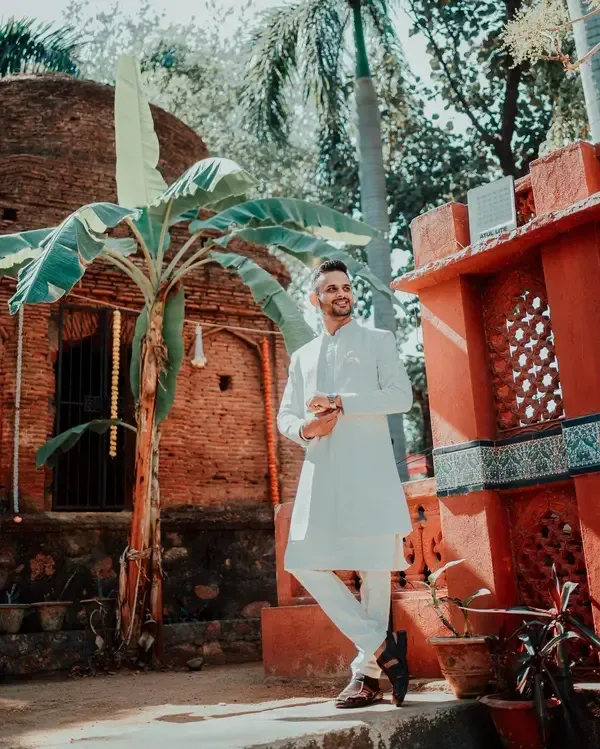
In Islam, marriage is more than a contract. It’s ibadah, part of worship and completes half your deen. The Prophet Muhammad (peace be upon him) saw marriage as a vital part of one's religion. The Sunni Muslim community takes this seriously. It’s about creating a home where partners grow closer to Allah and raise children with taqwa and adab. Families are important—they’re the backbone of society.
The Sunni approach mixes social practices with spiritual value. Nikah takes place with witnesses, where we recite Khutbat-un-Nikah. It's the intersection of Islamic law and family joy. This contract safeguards rights and marks the beginning of a life together in the ummah.
The Muslim Household: Deen and Dunya in Balance
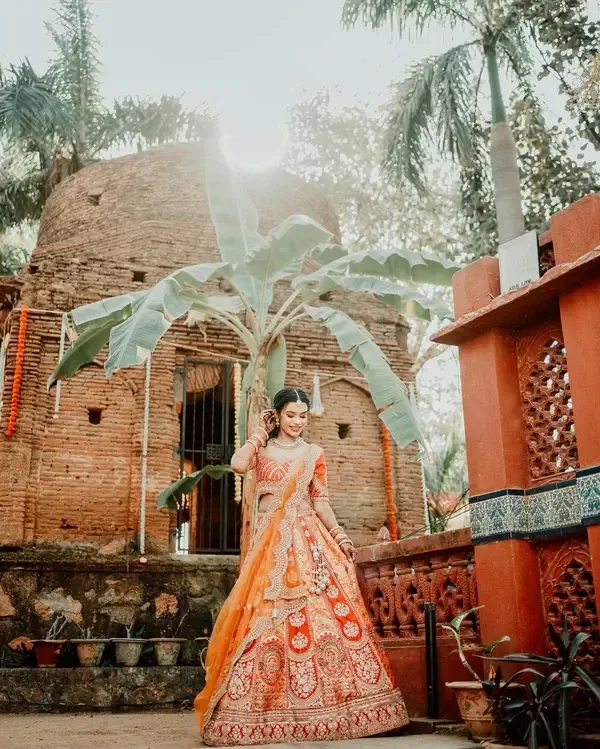
A Sunni household revolves around five daily prayers. Fajr starts the day with some quiet time at dawn. Dhuhr is a work break that centers on what matters. Asr gives an afternoon pause before Maghrib at sunset, finishing with Isha to end the night. This structure helps to bring depth to life while managing daily tasks.
In Ramadan, things change more than any other month. Early morning suhoor, fasting, sharing iftar, attending tarawih prayers—it's not just lack but about enriching experience, enjoying meals together, being generous. Zakat and sadaqah become even more important; we need to confront needs actively.
The Matrimonial Process: Halal, Transparent, and Family-Involving
Sunni Muslim marriages are based on Quranic principles that focus on openness and consent. Both partners need agreement from the start. Families get involved early—especially the woman’s wali plays a formal role in the nikah, making sure she's safe while securing family support for the union. It’s not about control; you’ve got to hear women's voices for Islamic law to work well.
Community Diversity Within Sunni Identity
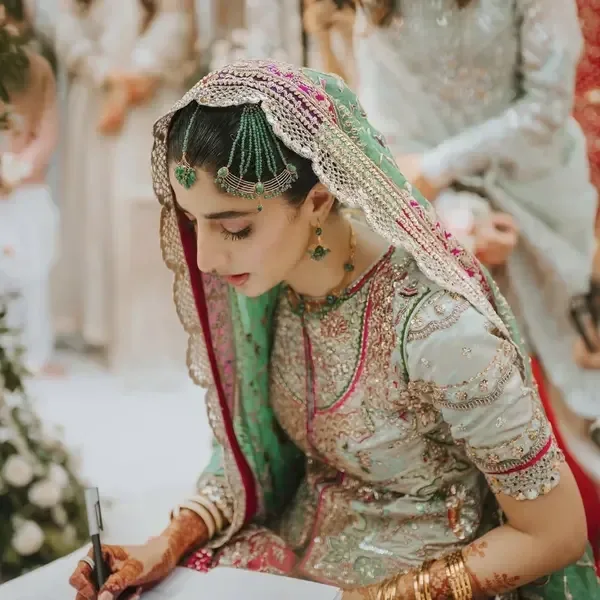
India's Sunni community is really diverse—there are Syed families linked to the Prophet, Pathans from Afghanistan, Memon traders, Bohra merchants, and local converts—all united under shared beliefs yet distinct cultures too. Marital decisions often start within these groups before looking further among Sunnis.
Urdu holds cultural weight where it’s spoken—works by Ghalib or Faiz reflect traditions with poetry and music like qawwali embedded into what families have passed down through ages. Those embracing Urdu carry on something meaningful.
What Sunni Muslim Families Seek in a Match
Families look for genuine faith without extremism, good education, job stability, solid family values rooted in Islam—alongside character showing adab—to find the right partner. A mate dedicated to prayer and kindness—following prophetic examples while adding intellect and warmth—that's what a Sunni family wants.
- Nikah shapes how Sunnis understand marriage
- The five daily prayers plus Ramadan structure devout Muslim households
- The wali system promotes family involvement during nikah respecting women's rights
- Diverse groups (Syed, Pathan, Memon) influence marital preferences
- Adab governs dating and everyday life based on Islamic values
Allahabad - Location Map
Explore the area and discover matrimony profiles near Allahabad.
Sunni Matrimony FAQs
What's a nikah ceremony all about?
The nikah is basically the Islamic marriage deal. It's done with a qazi (basically an Islamic judge or officiant) and at least two witnesses watching. It covers saying Khutbat-un-Nikah, both parties agreeing (that's the offer and acceptance part), and deciding on the mahr, which is the mandatory gift for the bride. It's both a legal thing with specific rights and a spiritual act in Islam.
What is mahr and how do they decide the amount in Sunni marriage?
Mahr is the required gift the groom gives to the bride, written down in the nikah contract, and she owns it. It’s not a price tag for marriage but shows his commitment and her right to financial support. The families and couple discuss and decide on the amount, sometimes following what's common in their community. Islamic rules say it must be something real and actually deliverable.
Do sub-communities like Syed, Pathan, and Memon influence Sunni marriage searches?
Yes, how much sub-communities affect matches can differ. For example, Syed families often prefer Syed matches. Memon and Bohra communities usually have strong internal networks. Regions play a role too; Hyderabadi, Chhattisgarhi, or Malayali Muslims might look for cultural compatibility within their group. But as families get more educated or live in cities, they're getting more flexible, though shared Islamic values are always key.
How do Sunni marriage rules get a woman's consent?
For Sunni marriages, a woman must freely and clearly say yes for the marriage to be valid. There's usually a male guardian involved to help out, but he shouldn't pressure her. If she's forced into it, it doesn't count in Islam. These days, many Sunni families make sure women have time to think things over before saying yes.
Find Sunni Muslim Matches
Browse Sunni Matrimony by Cities
Use these city pages to compare Sunni matrimony matches and connect with families seeking serious marriage alliances.
All cities include verified active profiles updated regularly.
 App Store
 Play Store
