Khatri Matrimony Profiles
Showing 27+ verified profiles · Khatri
Find Khatri Matrimony Profiles through 27+ verified profiles on Corishta. The listing is designed to make shortlisting easier for families looking for compatible and genuine matrimony matches.




🔒 View More Profiles
Register free to see full profiles, contact details, and photos.
- or -



Khatri Matrimony: Leading Business, Proud Cultural Heritage
A Community of Leaders, Builders, and Cultural Custodians

The Khatri community is proud of their North Indian roots. They're known for business skills and cultural support, building a strong social presence over time. These families have launched ventures, boosted the arts, fostered education, and kept their traditions alive.
The term Khatri ties back to the Kshatriya class, mixing warrior qualities with trade savvy. Along the way, they’ve mastered textiles and trade while promoting music and poetry that benefit society.
The Cultural Architecture of Khatri Identity
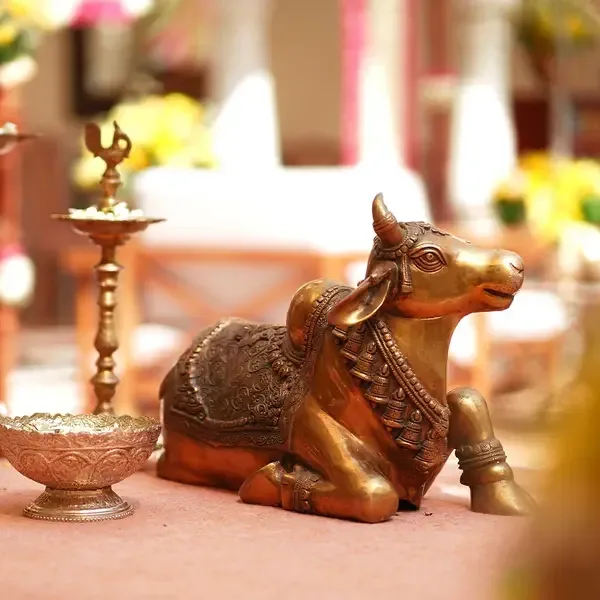
Khatri culture thrives on artistic expression. They celebrate religious events and festivals that show off their identity among Hindus. They're generally well-educated and socially connected. Family discussions often happen at home with soft classical music playing in the background.
Their community ties are tight-knit. Organizations and relatives create a useful support network. This helps them not just in business but also opens doors to opportunities that might be out of reach otherwise.
Marriage in Khatri Culture
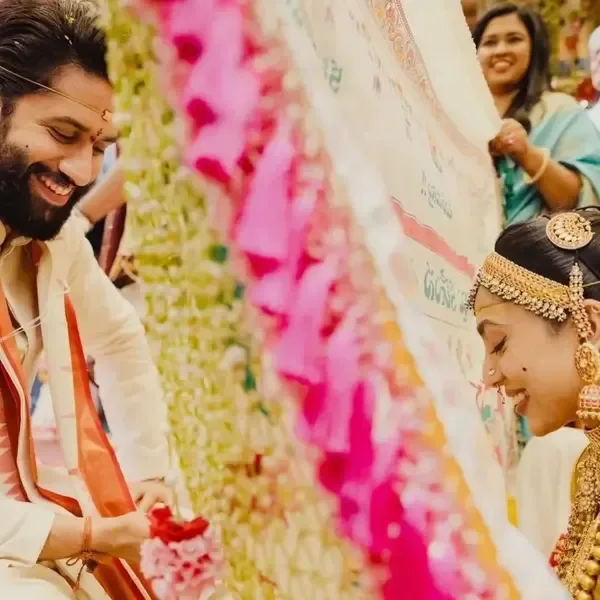
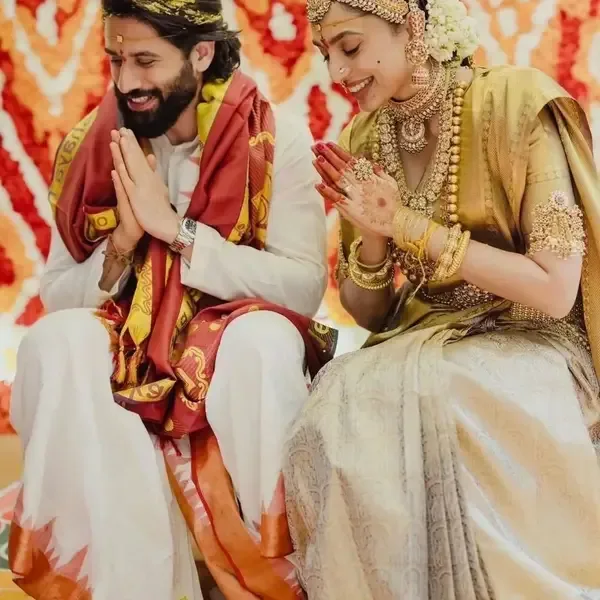
Khatri weddings highlight family reputation and cultural pride. These celebrations can stretch over several days. For instance, Punjabi Khatri weddings feature local folk music and dances unique to their region compared to UP or Rajasthan.
Choosing a marriage partner in Khatri families involves assessing family image, social standing, education, and career paths. Families conduct deep dives—often reaching out to mutual contacts to ensure compatibility.
What Khatri Families Seek in a Match
Their criteria are simple:
- Solid educational background; they look for academic success.
- A professional who’s established or has a clear career plan.
- A good family name among Khatris.
- Appreciation for culture; especially music and literature.
- Social skills; being adaptable in various situations is key.
Often matches happen within sub-groups like Punjabi Khatris to showcase variety. Families check community records or trusted contacts who know both sides well.
The Emotional World of Khatri Households
Khatri homes are full of life. They gather often; celebrations are honest, always buzzing with activity. Instead of wearing them out, this energy empowers them. They view community as support rather than stress.
Khatri women usually hold important roles as informed decision-makers at home and socially. A typical household encourages equality where partners engage intellectually together.
Joining a Legacy of Achievement
Khatri Matrimony FAQs
What's the history of the Khatri community?
The Khatri community is linked to the Kshatriya class and has a strong history in North India, especially in trade, textiles, business leadership, and supporting the arts. They've given us famous scholars, industrialists, and cultural icons and keep tight-knit social ties among themselves.
Does the Khatri community have different sub-groups?
Yep, there are several sub-groups in the Khatri community. You've got Punjabi Khatris like Soni and some Arora-adjacent ones that are sometimes considered Khatri too. There are also regional groups in places like UP and Rajasthan. It's pretty normal for families to look for matches within their own sub-group when searching for matrimonial alliances.
What kind of education do Khatri families look for in someone getting married into their family?
Khatri families usually want someone with at least a graduate or postgraduate degree. They especially appreciate degrees in fields like medicine, law, engineering, business, or tech. They think good education shows the family's effort and the person's abilities.
What usually happens at Khatri weddings?
Khatri weddings go on for several days with ceremonies like mehndi, sangeet, and the wedding itself. They're pretty big events that show off the family's status, and the whole community gets involved. There's a lot of music and celebrating, and guests are treated to the kind of generous hospitality Khatris are known for.
How big of a deal is the community social network for Khatri marriages?
The Khatri social network plays a huge role. Families use it to check out potential matches, know family backgrounds, and make introductions. They often depend on formal community groups and matrimonial registers kept by the community.
Khatri Matrimony Profiles Across Delhi, Uttar Pradesh, and Haryana
Use this distribution to compare Khatri profile availability across regions and prioritize states with better response and compatibility potential.
Find Khatri Brides & Grooms in Major Cities
Explore city-wise matchmaking options for Khatri to shortlist compatible profiles for marriage in active local hubs.
All cities include verified active profiles updated regularly.
 App Store
 Play Store
