Banjara Hindu in Akola Matrimony Profiles
Showing 2+ verified profiles · Hindu · Banjara · Akola
Browse 2+ verified Banjara Hindu in Akola Matrimony Profiles on Corishta. Families exploring suitable matches in Akola can review active profiles, shortlist preferences, and connect with genuine members.
Banjara Matrimony in Akola | Find Community Matches
Roots That Travel: Banjara Matrimony in Akola
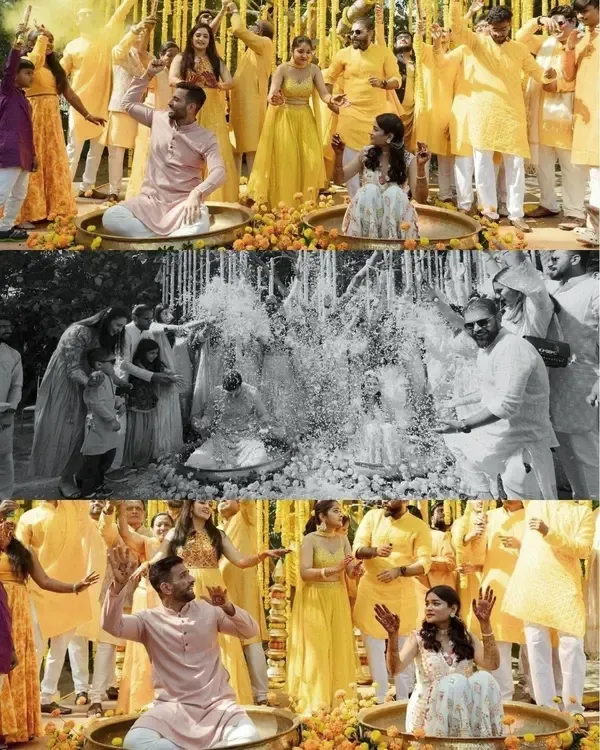
The Banjara community carries its history the way it once carried goods across the subcontinent with pride, resilience, and a flair that announces itself before the caravan arrives. In Akola, the Banjara tanda settlements particularly in areas toward Murtizapur Road and the outskirts of the city pulse with a distinct cultural energy that is unlike any other community in Vidarbha. The women's jewellery is distinctive; the songs sung during celebrations carry a plaintive beauty; and the identity is worn openly, not tucked away.
For Banjara families in Akola, matrimony is a community event in the truest sense not just a family matter but a tanda celebration. The decision of whom to marry involves not just parents but grandparents, community elders (nayaks), and often the broader tanda network. This is not a constraint but a strength the community's collective care for its children's futures is expressed through this collective involvement.
Banjara Identity and Community Life in Akola
The Banjara community of Akola, listed as a Scheduled Tribe in Maharashtra, has deep roots in the Vidarbha region. Historically nomadic traders and salt carriers, they settled in tandas cluster settlements many generations ago. Today's Akola Banjara families include cotton farmers, small business owners, government employees, and a growing number of educated professionals. Akola's cotton belt economy is familiar territory for Banjara families who understand land, seasons, and the value of community solidarity.
The festivals are vibrant Teej, Holi, and the community-specific Banjara jaatra celebrations bring the tanda together with music, dance, and the kind of collective joy that only close-knit communities know. It is during these celebrations that young men and women often first notice each other, and families begin their quiet assessments.
Banjara Marriage Customs and Rituals
Banjara weddings are multi-day celebrations full of music and traditional costume. The bride is dressed in the distinctive Banjara ensemble heavily embroidered ghaghra, mirror-work choli, and spectacular silver jewellery that may have passed through generations. The groom's side arrives at the tanda with a formal baraat accompanied by traditional dholak and turha (a brass instrument unique to Banjara celebrations).
- Pre-wedding rituals include community elder blessings (nayak ashirwad)
- Traditional Banjara songs (called geet-gawna) sung over two evenings
- Bride's distinctive Banjara dress (phool-work ghaghra) worn for ceremonies
- Baraat welcomed with traditional turha music and dance
- Post-wedding feast hosted for the entire tanda
What Banjara Families in Akola Look For in Alliances
Within the Banjara community, sub-group identity matters Gor Banjara, Mathura Banjara, Labhane and most families prefer matches within their own sub-group. However, the most important criteria are character and community standing. A young man who respects elders, contributes to tanda life, and has a stable livelihood whether farming near Akola or a government job is a valued prospect. For young women, family reputation, adaptability to tanda culture, and a warm character are paramount.
Education is increasingly valued in Banjara families in Akola. A young man who has studied in Akola's colleges and returned with a degree or skill is seen as a community asset. For young women, education has become a marker of family ambition and progressive thinking, though it must coexist with cultural pride.
Modern Banjara Youth in Akola Navigating Matrimony
Young Banjaras in Akola carry the double identity of their heritage with pride and their aspirations with determination. Many have studied at Sant Gadge Baba Amravati University or Akola's government colleges. Some work in government offices, some in Nagpur or Pune, and return to their tandas for festivals. Their matrimonial preferences reflect both worlds they want partners who understand and respect Banjara culture but are also comfortable in modern professional settings. Corishta provides a platform where Banjara identity is respected and matches are found with genuine community understanding.
Akola - Location Map
Explore the area and discover matrimony profiles near Akola.
Banjara Matrimony FAQs
What are the main Banjara sub-groups found in Akola?
Gor Banjara (also called Gormati) is the largest sub-group in the Akola-Vidarbha region. Mathura Banjara and Labhane sub-groups are also present. Families typically prefer within-sub-group alliances for matrimony.
What role do community elders (nayaks) play in Banjara matrimony in Akola?
Nayaks (community elders) play a central advisory role. Their approval of an alliance is considered important, and in many cases they facilitate the initial contact between families and bless the union at the wedding ceremony.
Is dowry common in Akola Banjara weddings?
Traditionally, Banjara weddings involve exchanges of gifts on both sides. The bride's side provides traditional jewellery and embroidered clothing, while the groom's side brings gifts for the bride. Formal dowry in the modern sense varies by family.
How far do Banjara families in Akola look for alliances geographically?
Most families look within the Vidarbha region — Akola, Amravati, Washim, Yavatmal, Buldhana. Some accept alliances from Marathwada and Pune where Banjara tanda communities are present, but geographic proximity to the tanda is preferred.
What is the significance of traditional Banjara jewellery in weddings?
Silver jewellery — hansali (necklace), banjali (bangles), and payal — is central to Banjara bridal attire. Jewellery is often heirloom pieces passed through generations and its quality and quantity reflect the family's cultural pride and economic standing.
Find Banjara Hindu Matches
Browse Banjara Matrimony by Cities
Use these city pages to compare Banjara matrimony matches and connect with families seeking serious marriage alliances.
City pages are refreshed with active profile availability for reliable matchmaking discovery.