Mathura Hindu Matrimony Profiles
Showing 13+ verified profiles · Hindu · Mathura · Mathura
Browse 13+ verified Mathura Hindu Matrimony Profiles on Corishta. Families exploring suitable matches in Mathura can review active profiles, shortlist preferences, and connect with genuine members.
Top Religions in Mathura
City-focused religion hubs connected through published SEO pages.



🔒 View More Profiles
Register free to see full profiles, contact details, and photos.
- or -



Hindu Matrimony in Mathura: Find Blessings in Krishna's City
Marriage in the City Where Devotion Is a Way of Life
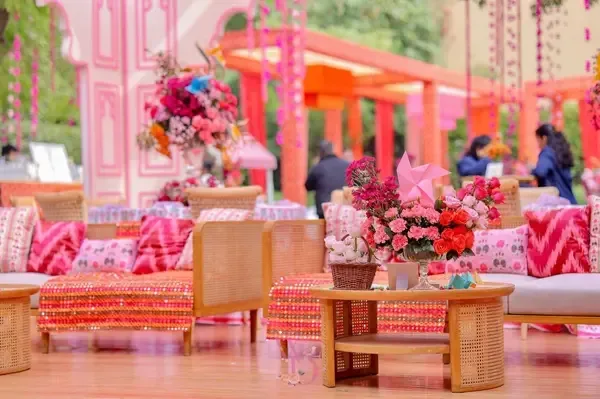
Mathura isn’t just a religious city – it blends spirituality with everyday life. Krishna temple sounds start the day. Families gather for evening prayers at Yamuna ghats like it's routine. Govardhan Hill, just a few kilometers away, is like a local park for Mathura families. Growing up here gives a strong feeling that choices, including marriage, are guided by Krishna.
The Spiritually Infused Hindu Marriage in Mathura
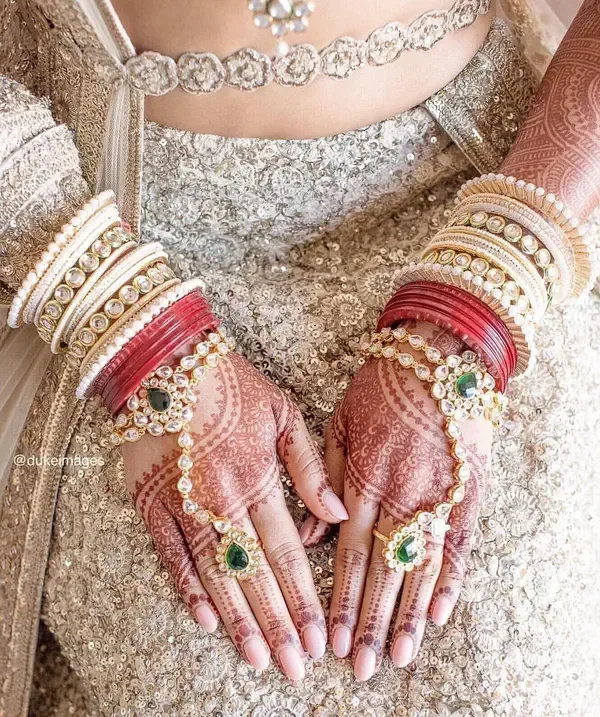
In Mathura, Hindu weddings hold spiritual significance found few other places. Usually, ceremonies occur at large temples or venues with temple elements. Pre-wedding rituals at Banke Bihari or Dwarkadhish temple aren’t just common; they’re almost necessary. They take care calculating the wedding lagna – that right moment for saptapadi – as Mathura's Hindu calendar is widely respected.
The Brahmin community plays a key role in priesthood and knowledge. Vaishnav Brahmin families prioritize strict vegetarianism and devotion when looking for partners. If a groom eats meat or drinks, it'll be hard to make it work, even if his job's great. They also check spiritual compatibility – like if the partner does daily puja or knows the Bhagavad Gita or joins Holi and Janmashtami celebrations.
Matrimonial Priorities in Mathura's Hindu Communities
- Match lifestyle – vegetarianism, puja, and festivals matter
- Brahmin families focus on gotra and subcaste
- Dairy and sweet-making businesses have deep matrimonial ties
- Links with temple trusts show family status in Mathura
- Education’s important, but not more than devotion
Modern Mathura: Tourism, Industry, and the Old Town's Resistance
Mathura's changing fast – industrial growth with places like IOC refinery, new highways going up, tourism booming. But old pujari families stick to their roots despite it all.
Younger folks working in Agra's tourism or corporate jobs in Delhi still come back for Janmashtami with strong emotional ties. They're seeking partners who understand that three-hour puja isn't inconvenient and being strictly vegetarian isn’t odd. Knowing the culture matters more than city ties or job titles.
Social and Matrimonial Life in Mathura
Status matters during celebrations at Yamuna ghats, Holi festivities in Barsana and Vrindavan, or during Janmashtami at Dwarkadhish. These moments highlight social networks while families casually observe each other—people have known each other forever here. Also, local networks within sweet and dairy trades help make connections year-round for finding matches.
Corishta for Mathura Hindu Matrimony
With Corishta’s Hindu matrimony services for Mathura, families can highlight specific needs like devotion levels or vegetarian habits along with family backgrounds and ties to the community. This helps those settled in Mathura and those around Delhi, Agra, or anywhere worldwide to find someone who respects their customs.
Mathura - Location Map
Explore the area and discover matrimony profiles near Mathura.
Mathura Matrimony FAQs
Do you have to be a vegetarian to get married in Mathura Hindu families?
In Vaishnav Brahmin and a lot of traditional families in Mathura, you must be vegetarian. They usually won't consider someone who eats meat, no matter how well everything else fits. Even in more modern Mathura families, being vegetarian is usually a big plus.
Is going to the temple regularly important when looking at a match in Mathura?
Yeah, it is. In Mathura's traditional communities, how often someone goes to the temple and their devotion really matter. Families usually want to know about the daily puja habits, if they join festivals, and how well they know Vaishnavite traditions for both the groom and bride.
What communities are most active in Mathura Hindu matrimony?
The Vaishnav Brahmin, Agrawal, Baniya, and Yadav (dairy-business) groups are really active. Families of temple priests also have their own specific way of matching up for marriages.
Are Mathura families open to matches from outside UP or the Braj area?
They usually are, especially for people living elsewhere. But they do hope the person appreciates the Braj lifestyle – being vegetarian, devoted to Krishna, and following the Mathura-Vrindavan festival schedule.
 App Store
 Play Store
