Chambhar Matrimony Profiles
Showing 45+ verified profiles · Chambhar
Explore Chambhar Matrimony Profiles with 45+ verified profiles on Corishta. From community filters to profile details, this page is built for serious matchmaking conversations.

🔒 View More Profiles
Register free to see full profiles, contact details, and photos.
- or -

Chambhar Matrimony – Find Your Resilient and Proud Life Partner
The Chambhar Community: Craft, Resilience, and a Changing World
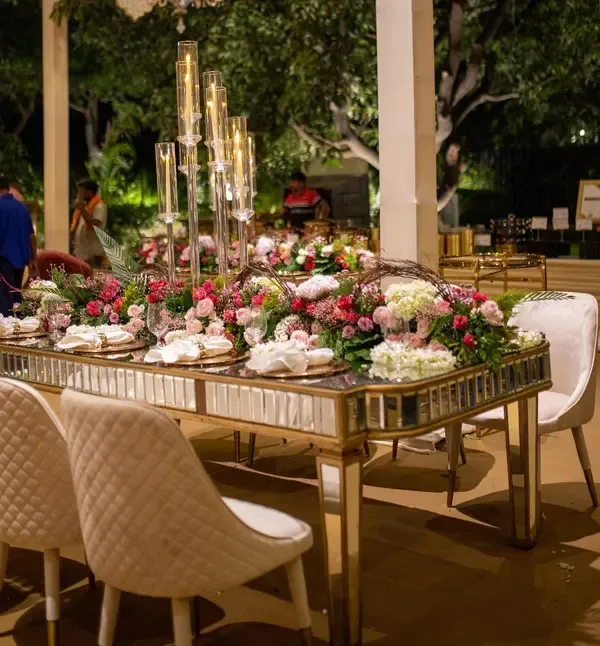
The Chambhar community, from Maharashtra and parts of Karnataka, has built its identity on skilled leatherwork and footwear. This isn’t just about work; it’s part of their culture. Tools like the awl and thread reflect how the Chambhar live life – patiently, precisely, knowing that honest work carries dignity.
Social Evolution and Identity Pride
The Chambhar community has gone through major social changes in the last hundred years, especially after Dr. Babasaheb Ambedkar’s movement. Many families turned to Buddhism with the Mahar community for Dalit rights. Today, Buddhist customs are important; events like the Dhamma Chakra Pravartan Din focus on Ambedkar's legacy and Buddha's teachings guide many lives.
Education matters a lot now. Chambhar families see first-generation graduates as heroes. The hard work – parents putting in long hours so kids can study or families pooling resources for school fees – is deeply respected. It's a part of their journey and pride.
Chambhar Marriage Traditions
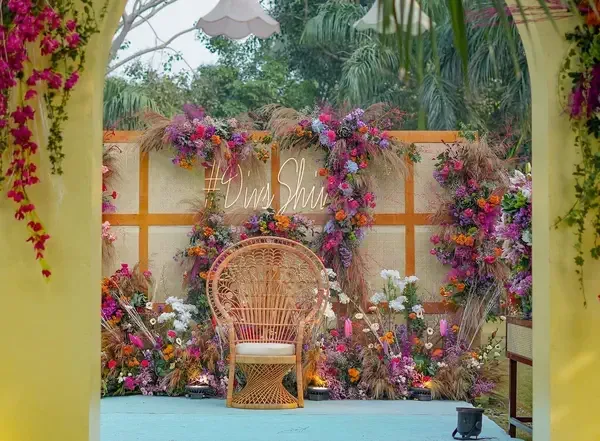
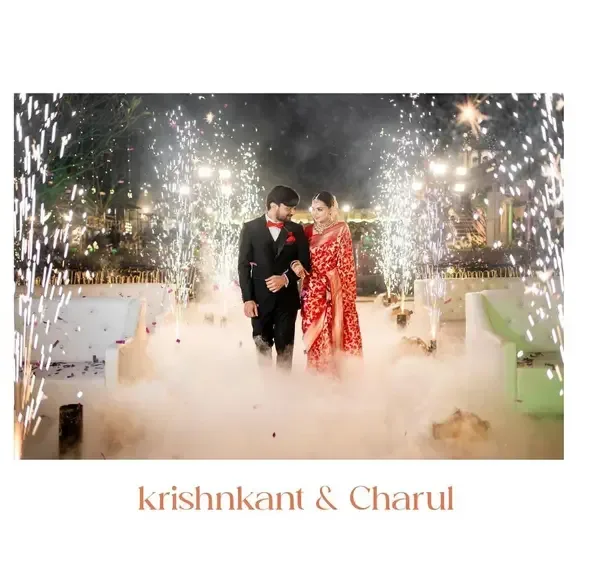
The marriage traditions in Chambhar families mix with their regional customs. Hindu marriages follow Maharashtrian rituals like Lagna with Antarpat and Saptapadi. Buddhist families may include a Dhamma ceremony with community members, emphasizing companionship rather than just fancy rituals.
Weddings are community-focused. Families invite neighbors from around, cooking starts days ahead with women gathering to prepare meals. This cooking time is not just about food; it’s both a social event and way to strengthen family connections.
What Chambhar Families Seek in a Match
When looking for matches, education and job stability matter the most. A government job carries weight for its security and status. People in teaching or medical fields from Chambhar backgrounds often feel the aspirations of their community on them, which most wear proudly.
- Buddhist conversion during the Ambedkar movement shapes many family customs
- First-gen educational achievements are greatly celebrated
- Dhamma Chakra Pravartan Din is an important occasion for Buddhist Chambhars
- Government jobs are highly valued within the community
- Weddings show communal solidarity reflecting a strong collective identity
Chambhar Matrimony Online
Online matrimonial platforms specific for Chambhars provide space for connecting families respectfully. Profiles that clearly describe education, family background, religious practices (Hindu or Buddhist), and jobs will likely get better responses. The pride that comes from resilience and aspiration deserves an online platform that genuinely reflects this spirit.
Chambhar Matrimony FAQs
What religions do Chambhar families follow in matrimony?
Chambhar families either follow Hindu traditions or they converted to Buddhism through the Ambedkar movement. Buddhist Chambhar families have their own ceremonies and community practices. You’ll find both Hindu and Buddhist backgrounds among Chambhar matrimonial profiles.
What impact did the Ambedkar movement have on the Chambhar community culture?
Dr. Ambedkar's movement really changed how the Chambhar community sees themselves, pushing for education, self-respect, legal rights, and social equality. Many families converted to Buddhism, which brought in new spiritual and ethical values based on Buddha's teachings. This past is something the community is really proud of.
What happens during a Buddhist Chambhar wedding?
In a Buddhist Chambhar wedding, you'll usually see a Dhamma ceremony with the involvement of the sangha. There's reciting of Buddhist precepts too. It's more about keeping things simple and supporting each other rather than focusing on big rituals.
What job backgrounds do people look for in Chambhar matrimony?
Jobs in government such as admin work, teaching, medical fields, or police are highly valued because they offer security and social standing. People also admire those who are the first in their family to become professionals in any stable line of work. Education is viewed as a big plus here.
What's the deal with community solidarity at Chambhar weddings?
It's a big deal. Chambhar weddings are all about the community — neighbors and extended family often help with prep and party. Cooking together and pitching in before the big day are ways folks connect with each other. The whole thing shows off and tightens those community ties.
Explore Chambhar Matrimony Reach Across Uttar Pradesh, Maharashtra, and Bihar
Chambhar matrimony demand varies across India, and these top states show where verified profiles and serious matchmaking intent are strongest right now.
Find Chambhar Brides & Grooms in Major Cities
Explore city-wise matchmaking options for Chambhar to shortlist compatible profiles for marriage in active local hubs.
City pages are refreshed with active profile availability for reliable matchmaking discovery.
 App Store
 Play Store
